
Bahir Dar, September 25, 2019 E.C
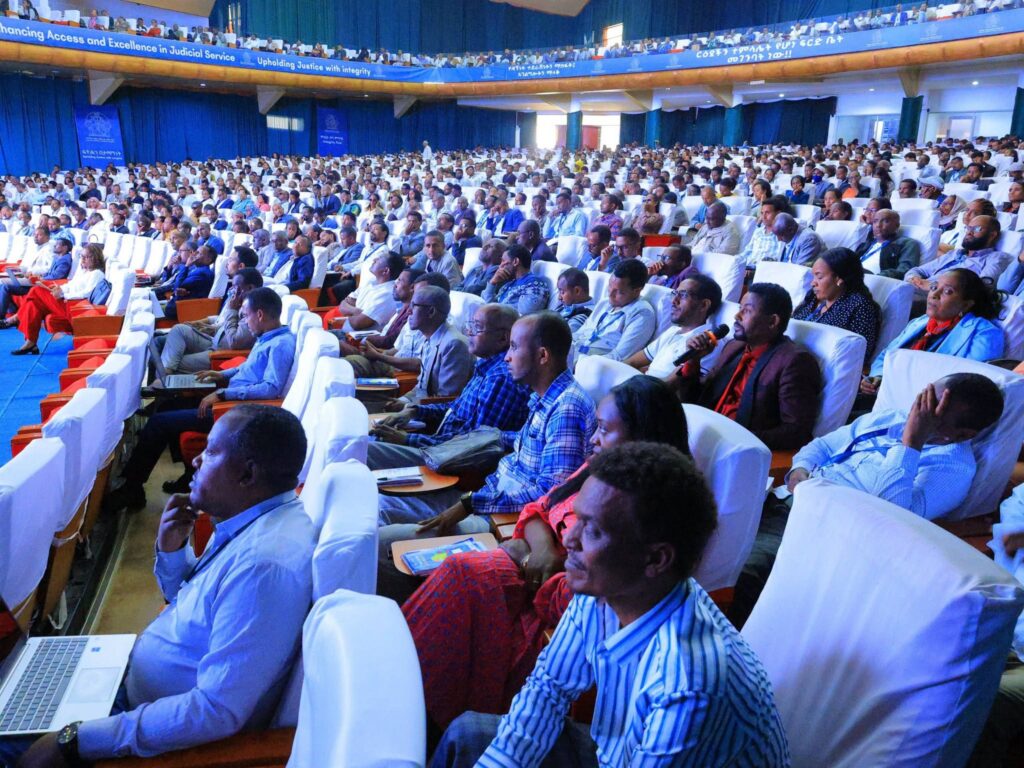
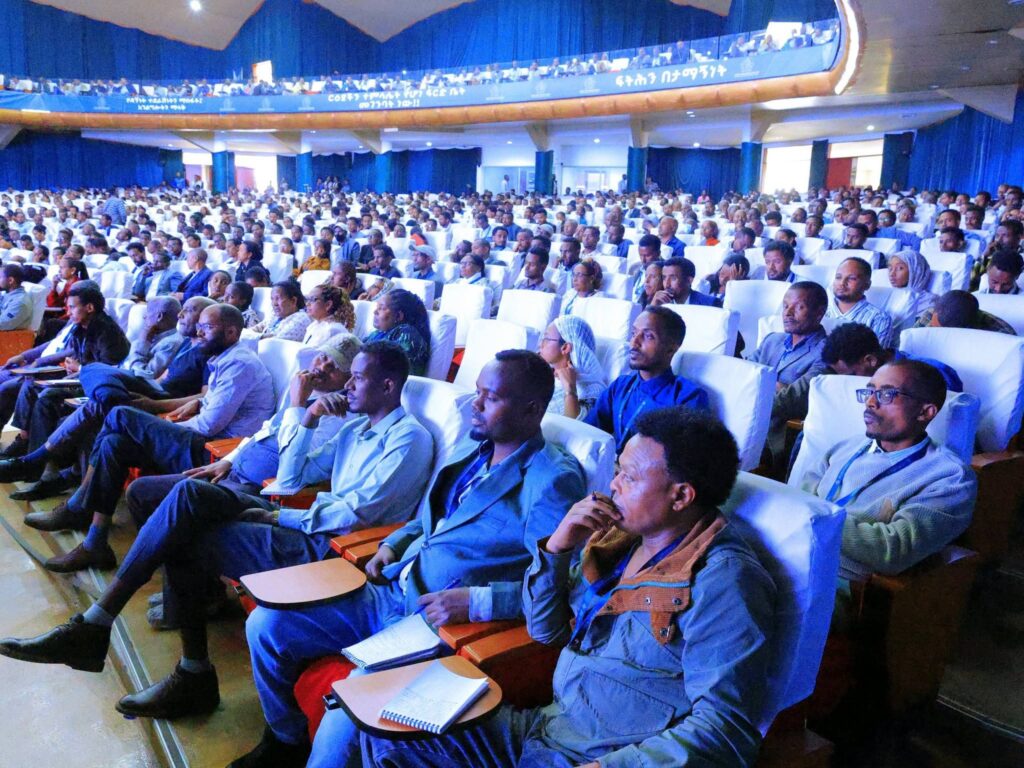
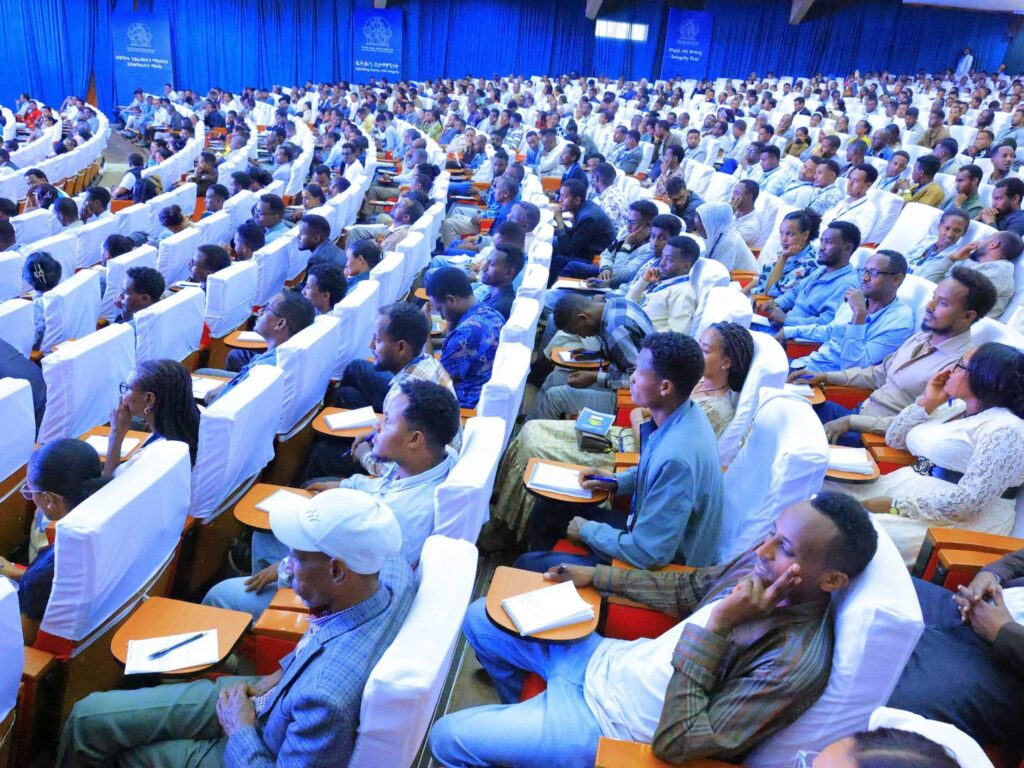
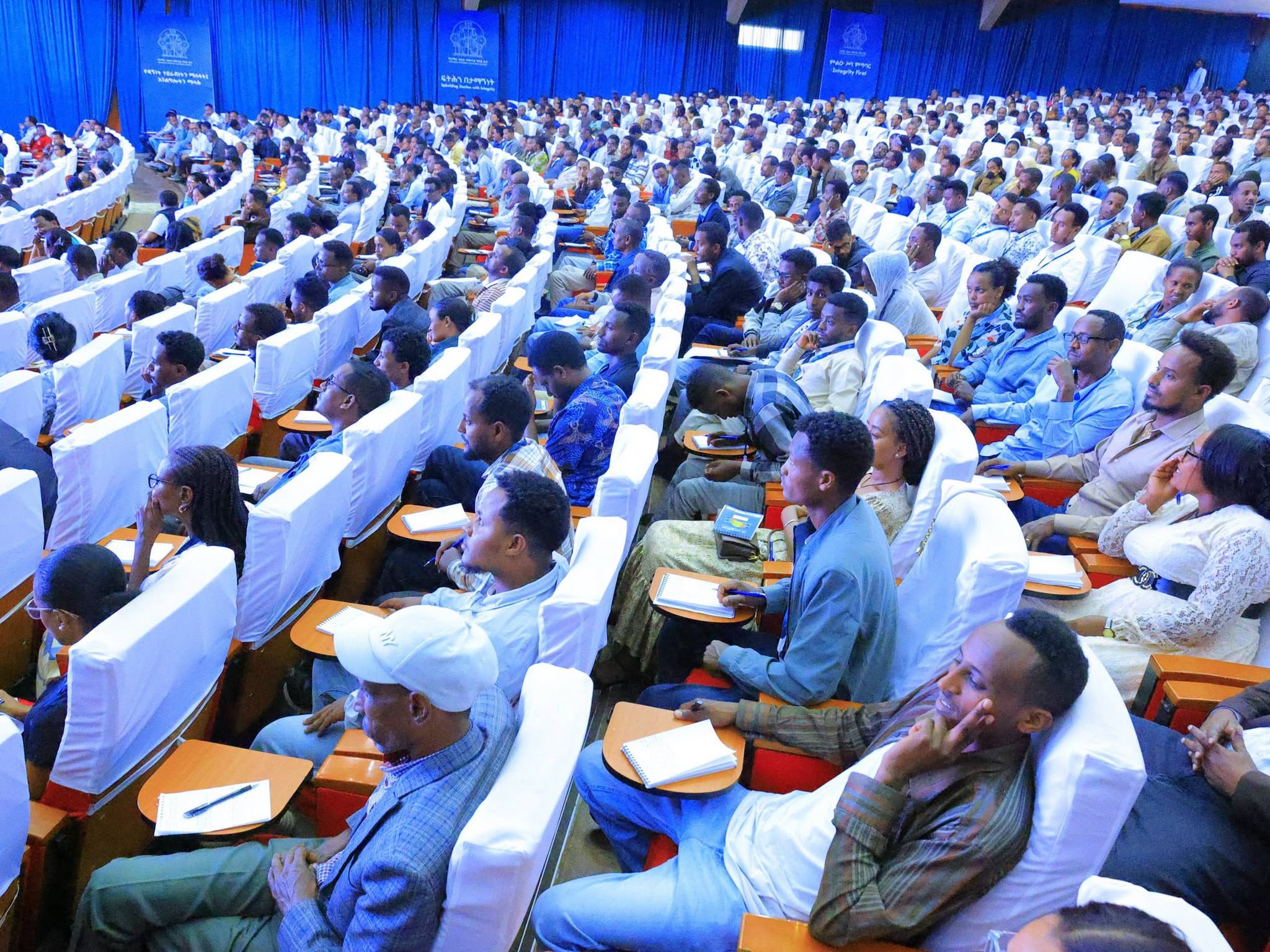
The second annual conference of judges of the Amhara Region courts, being held under the theme “enhancing Access and excellence in Judicial Service,” continued today with presentations and discussions on various legal issues.
As part of today’s program, Assistant Professor Fekadu Petros delivered a presentation on commercial and insolvency laws, with particular emphasis on the historical development of insolvency law and justice, the objectives of insolvency proceedings, and the major provisions incorporated into the new Commercial Code.
Assistant Professor Fekadu explained that insolvency law has evolved considerably over the centuries. Early insolvency systems primarily focused on punishing debtors and recovering creditors’ money. Over time, however, insolvency law evolved from a punitive approach toward a system centered on collecting and administering a debtor’s assets and distributing them fairly among creditors.
He further noted that the modern development of insolvency law has increasingly focused on providing solutions to financial difficulties faced by honest businesses, thereby enabling them to overcome financial distress and, where appropriate, have an opportunity for a fresh start.
With regard to Ethiopia, Assistant Professor Fekadu noted that the 1933 Bankruptcy Law was among the country’s earlier legal frameworks governing insolvency. He explained that the 1960 Commercial Code subsequently replaced the 1933 Bankruptcy Law and incorporated provisions governing bankruptcy into the Code.
He also highlighted that the new Commercial Code introduces various mechanisms for addressing insolvency. In particular, preventive measures, debt restructuring, and reorganization provide modern legal mechanisms that can help businesses address financial difficulties before they reach the point of bankruptcy.
According to Assistant Professor Fekadu, insolvency proceedings do not concern only the interests of the debtor or the rights of creditors. Rather, they affect the rights and interests of multiple stakeholders and therefore require the careful application of legally prescribed procedures.
Accordingly, he emphasized that the primary objective of insolvency proceedings is not merely to punish a debtor. Rather, the process is intended to protect creditors’ rights fairly, administer the debtor’s assets in accordance with the law, distribute those assets appropriately among creditors, and provide honest business operators with an opportunity for a fresh start following insolvency.
The conference also addressed in detail the jurisdiction of courts in insolvency proceedings; the roles of various procedural officers and other relevant bodies; the identification and assessment of the debtor’s assets; the order of priority for distributing creditors’ claims; and the rights and obligations of the parties during reorganization proceedings. The issues were presented and discussed among the participating judges.
The second annual conference of judges of the Amhara Region courts continues to provide training, presentations, and discussions on a range of legal issues aimed at strengthening judges’ legal knowledge and enhancing their judicial capacity.