
Bahir Dar, September 30, 2019 E.C. (Amhara Region Supreme Court)
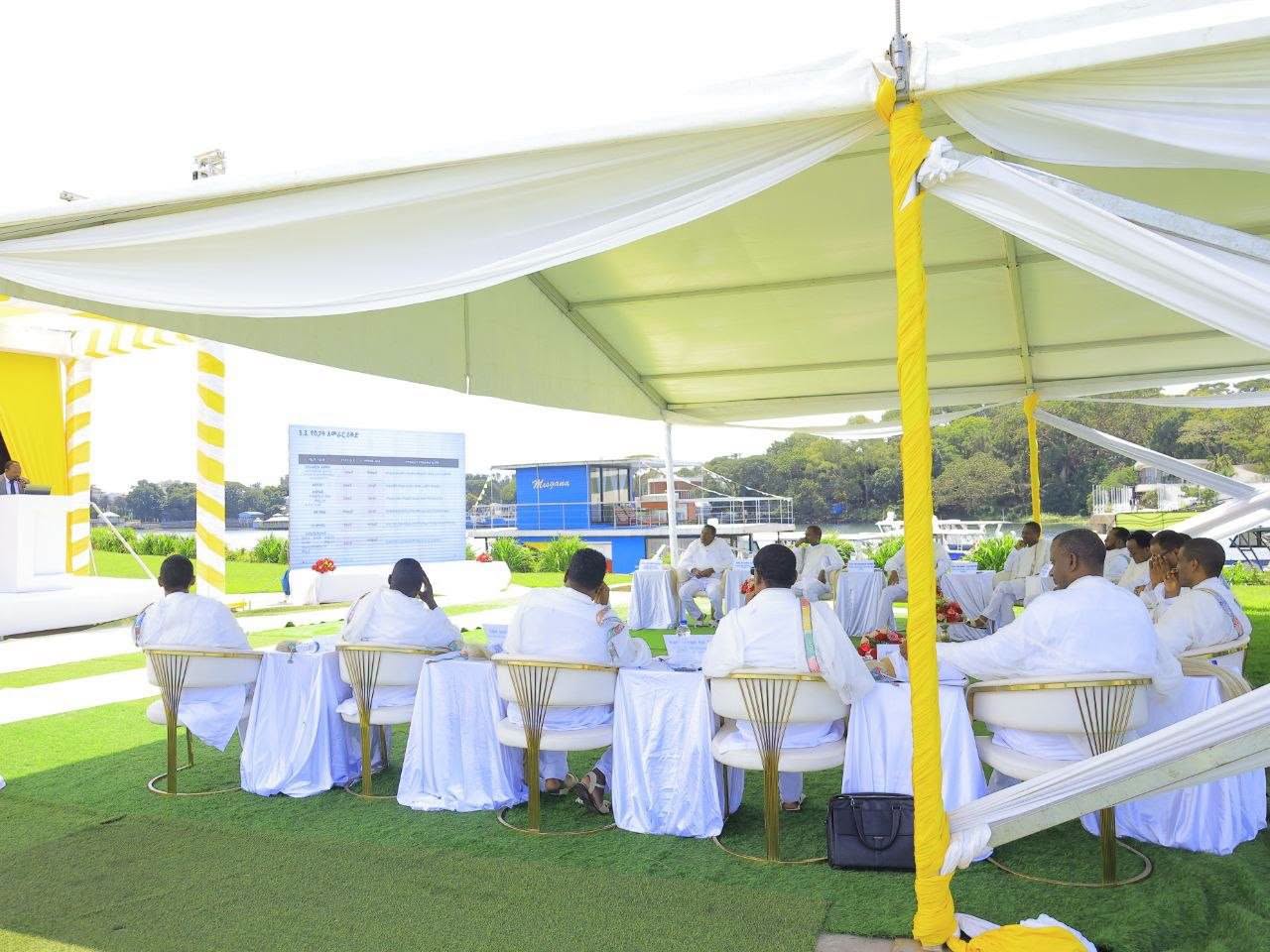
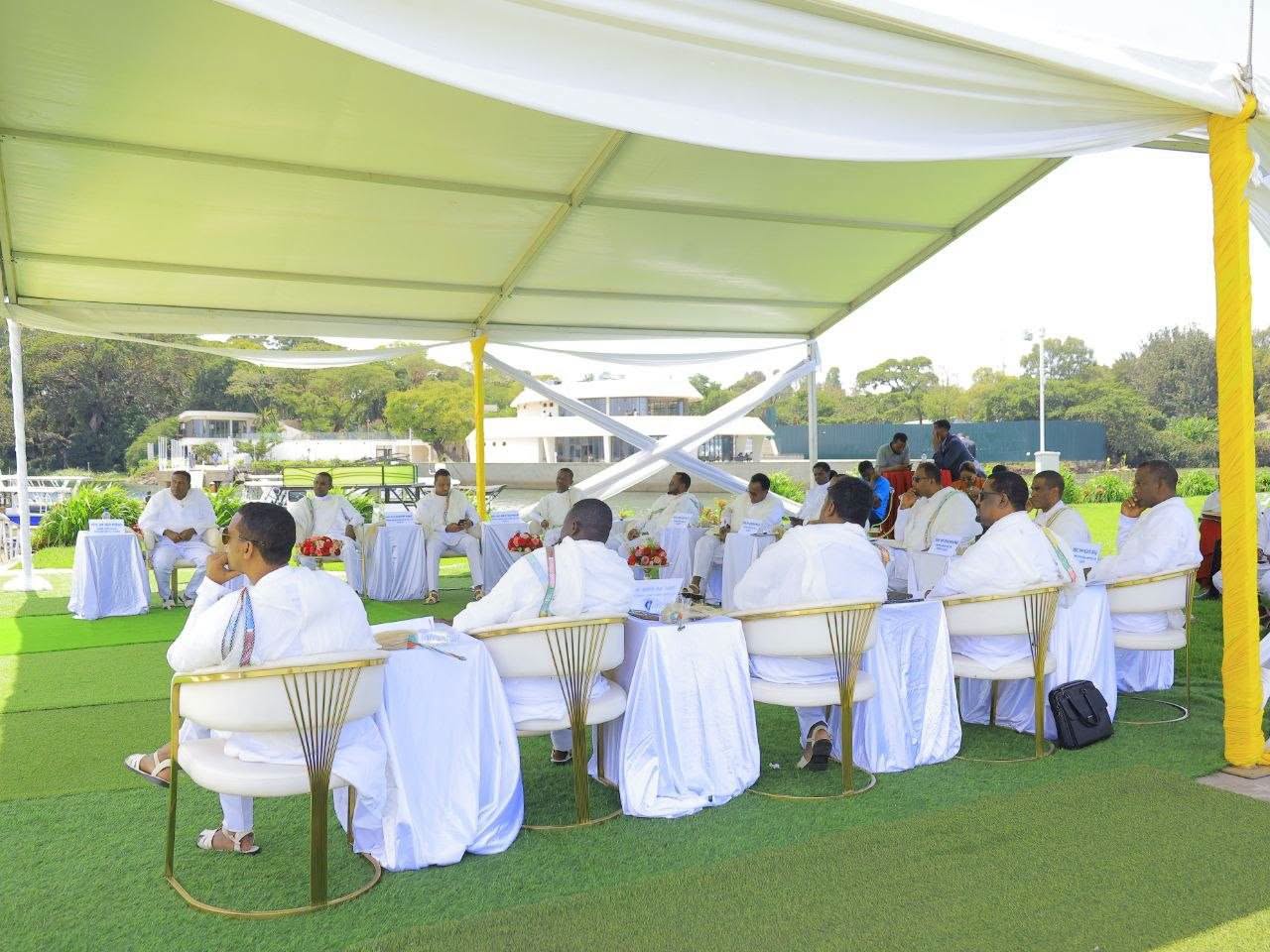
A national special conference of legal interpreters was held in Bahir Dar to deliberate on and approve the three-year transformation framework for Ethiopia’s courts, which aims to make the country’s judicial system more transparent, accessible, and efficient, thereby improving the effectiveness of judicial services.
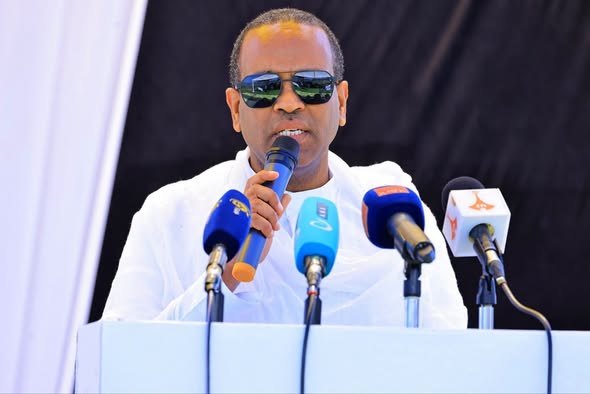
Speaking at the conference, Hon. Tewodros Mihret, President of the Federal Supreme Court, said the national forum plays a significant role not only in strengthening cooperation and relations among regional states but also in improving court operations, promoting judicial values, and shaping a common direction for reform.
The President explained that the forum had created an opportunity for courts to exchange experiences in expanding digital infrastructure, utilizing technology, building human resource capacity, and implementing other judicial reforms.
In particular, he noted that the forum had become a platform for capacity-building and technological exchange by enabling courts with better experience in these areas to share their practices with others.
Hon. Tewodros emphasized that the forum was essential for helping all courts across the country work in a coordinated manner to achieve sustainable and effective improvements in the delivery of judicial services. He also highlighted the importance of sharing court resources and strengthening cooperation to address challenges between service providers and service users.
According to the President, making judicial services more accessible and efficient requires the coordinated expansion of services such as electronic filing and oath-taking services, the establishment of working arrangements that take into account differences in the capacities of regional states, and sustained efforts to ensure that services are delivered efficiently to everyone.
He further explained that the transformation framework is a crucial instrument for establishing a common direction and an organized implementation system for the country’s courts. By reviewing successful and unsuccessful experiences, courts can build on their strengths and address their weaknesses.
The three-year framework presented for deliberation and approval, he said, would help the country’s courts pursue a shared reform agenda, strengthen their operational systems, and make judicial services more transparent, accessible, and efficient.
The President also stressed that the framework’s design and implementation take into account the varying capacities of regional states while bringing all courts together under a common reform direction. This, he noted, demonstrates its importance in improving the judicial system through a coordinated approach.
The message further underscored the importance of sustaining the national conference and holding regular discussions and experience-sharing sessions to ensure the practical implementation of the framework and strengthen the collective capacity of the courts.
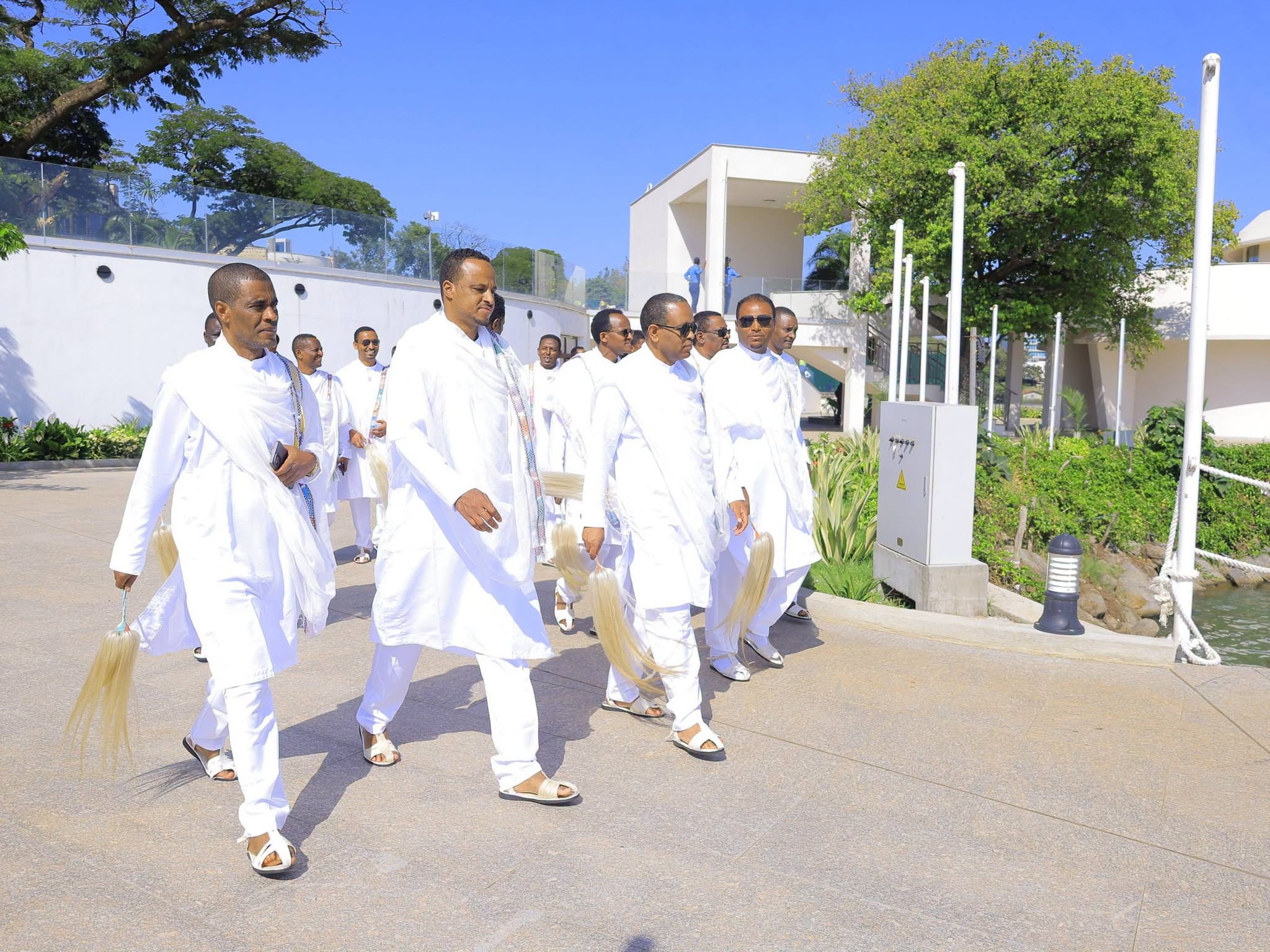
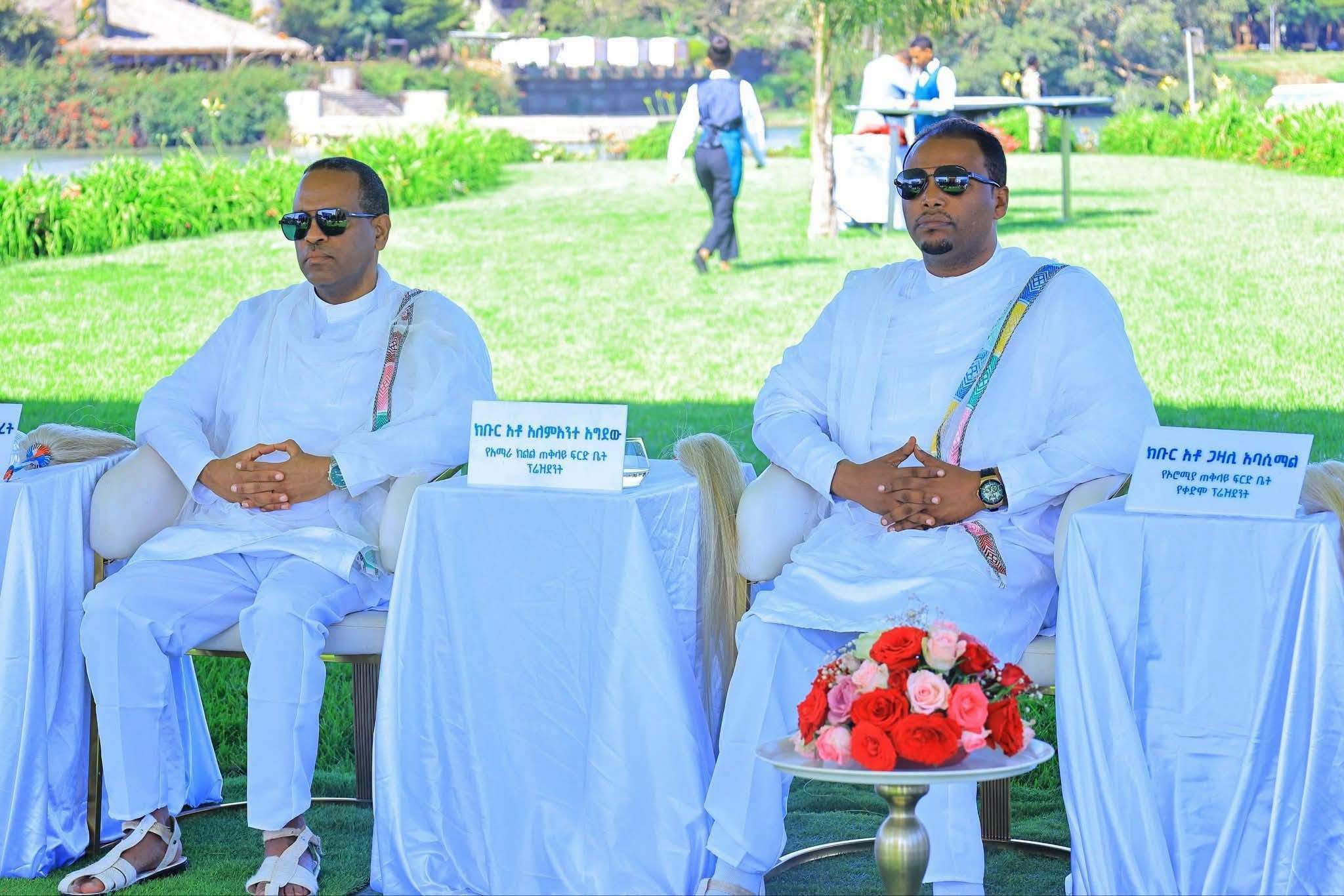
Presidents of regional supreme courts, as well as presidents of the appellate courts of the Addis Ababa and Dire Dawa city administrations, participated in the conference.
The national special conference of legal interpreters aims to strengthen a shared vision among the country’s courts, promote best practices, and lay the foundation for implementing reform initiatives over the next three years in accordance with a common strategic direction.