
Bahir Dar, July 16, 2026 (Amhara Region Supreme Court)
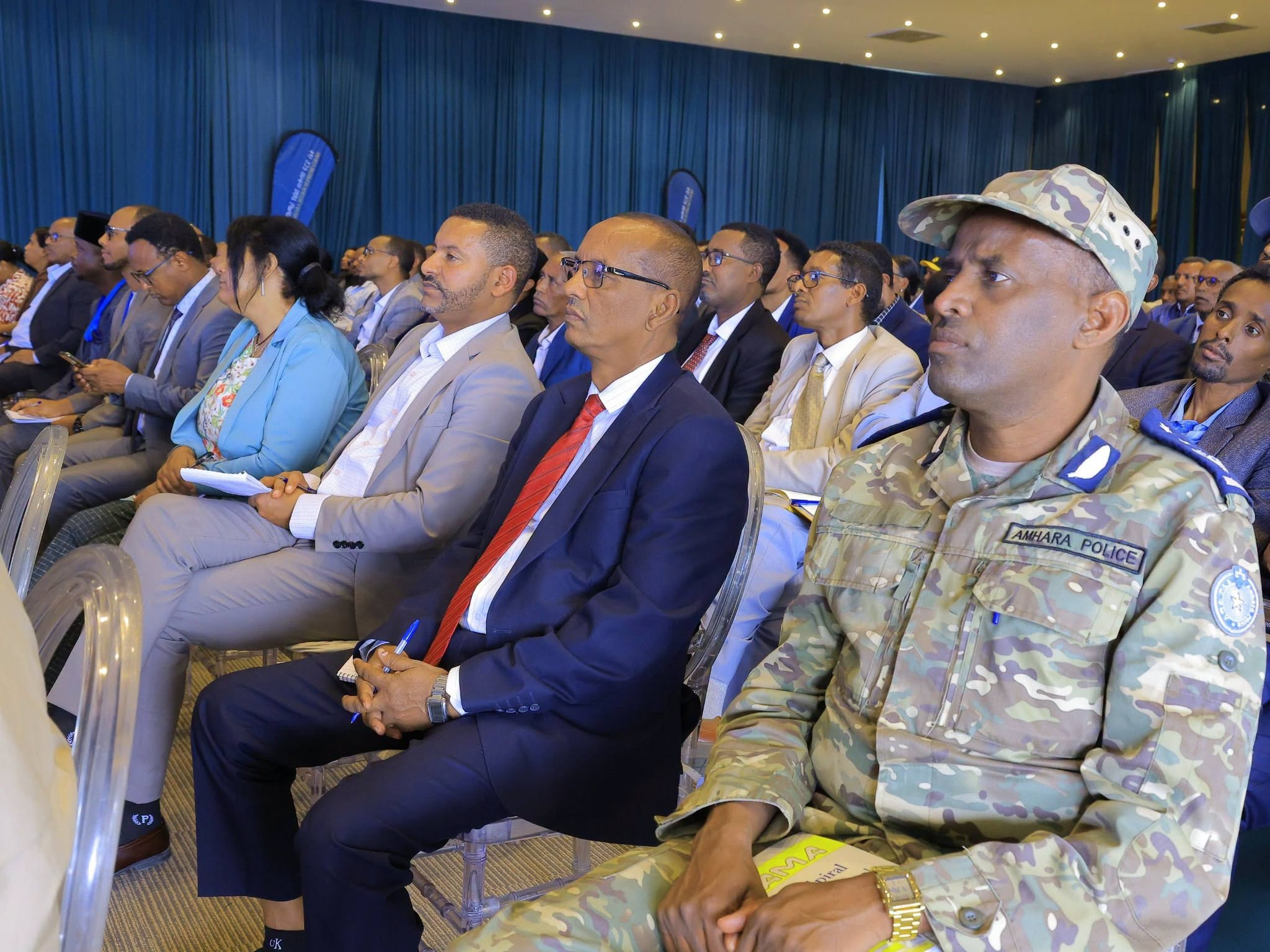
The Amhara Region Supreme Court convened a discussion forum with its partners and stakeholders to review the implementation of the 2018 Ethiopian Fiscal Year Strategic Plan and the three-year judicial transformation program carried out from 2016 to 2018 E.C.
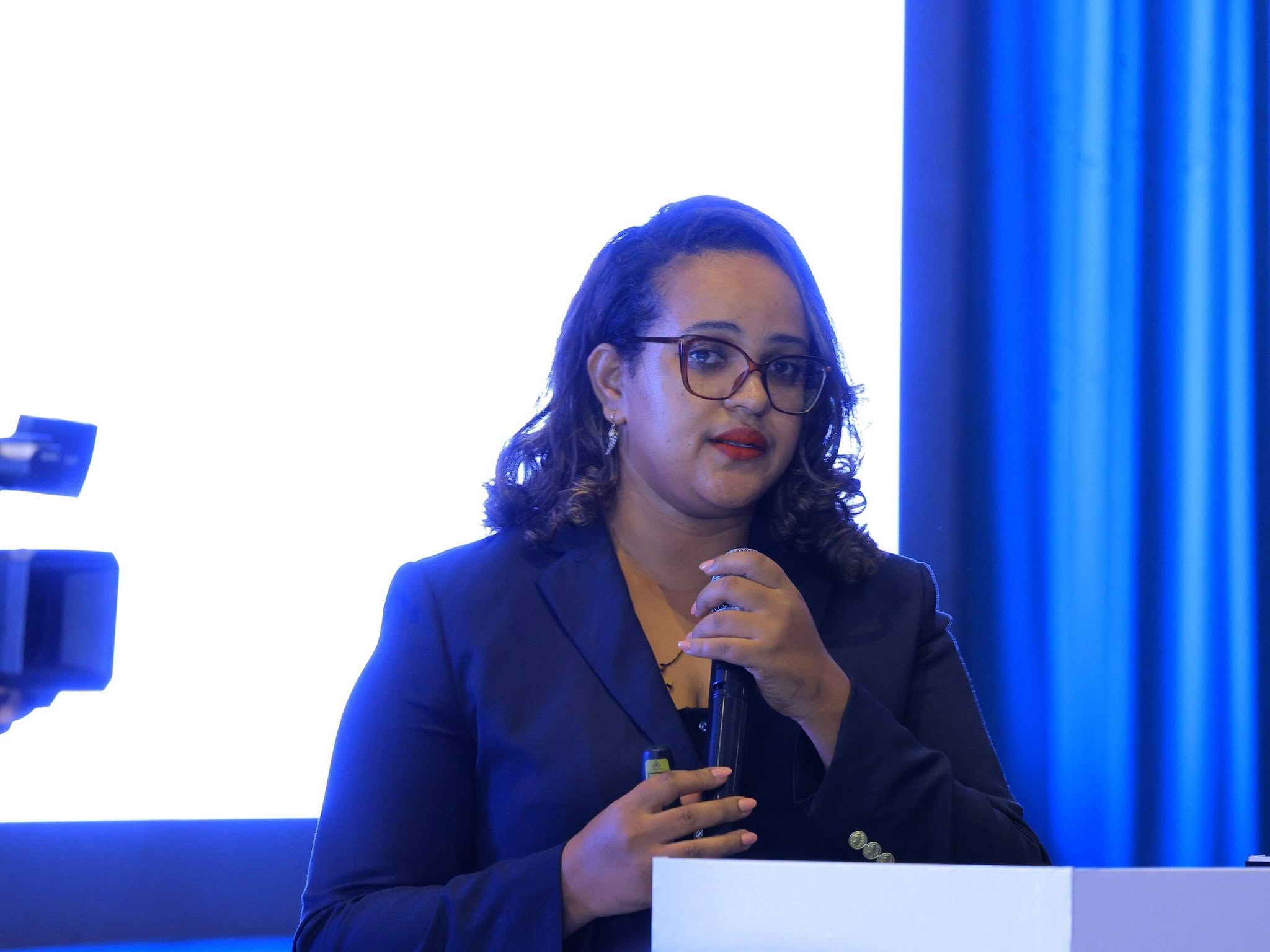
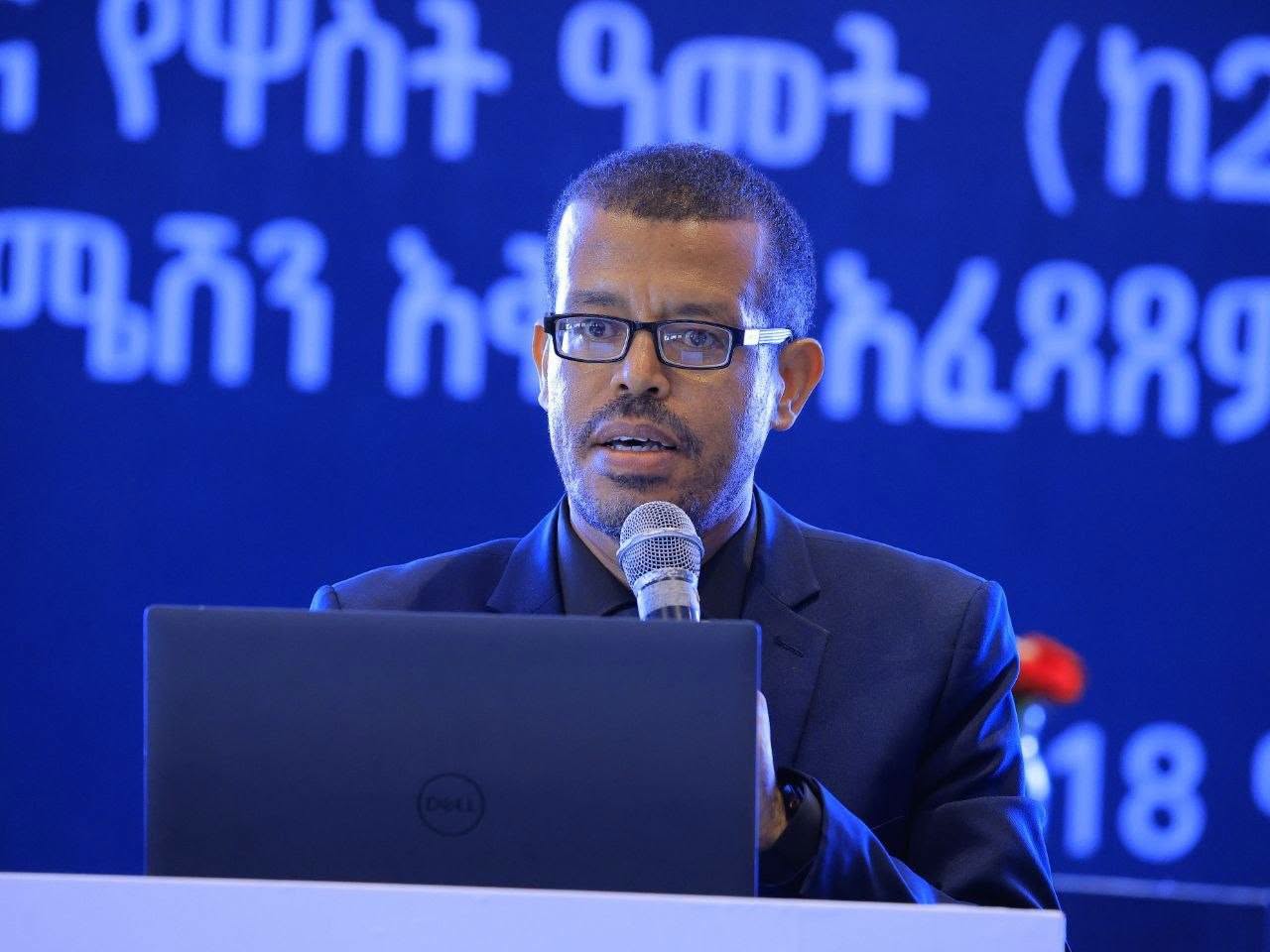
During the forum, comprehensive reports were presented on the progress of judicial digitalization, judicial quality and independence, human resource development, improved access to justice, partnership and cooperation initiatives, and 11 other judicial transformation projects.
According to the report, the courts achieved strong performance during the 2018 fiscal year. Case disposition rates reached 89.52% at the Supreme Court, 86.09% at the High Court, and 95.58% at the Woreda Courts.
Significant progress was also recorded in judicial digitalization. A total of 2,564 cases were processed through the Smart Court system, while 13,706 cases were handled through the electronic filing (e-filing) system, saving court users more than 51.2 million birr in time and expenses. In addition, 6,152 call center services were provided, enabling 2,966 court users to receive timely assistance.
The report further highlighted achievements in strengthening customary courts. During the year, 15 customary courts were formally recognized and began operations, 7,318 customary court judges were appointed, and 736 customary court centers were established across the region.
Furthermore, 1,048 cases were resolved within two months through customary courts, generating an estimated savings of 29.9 million birr for beneficiaries.
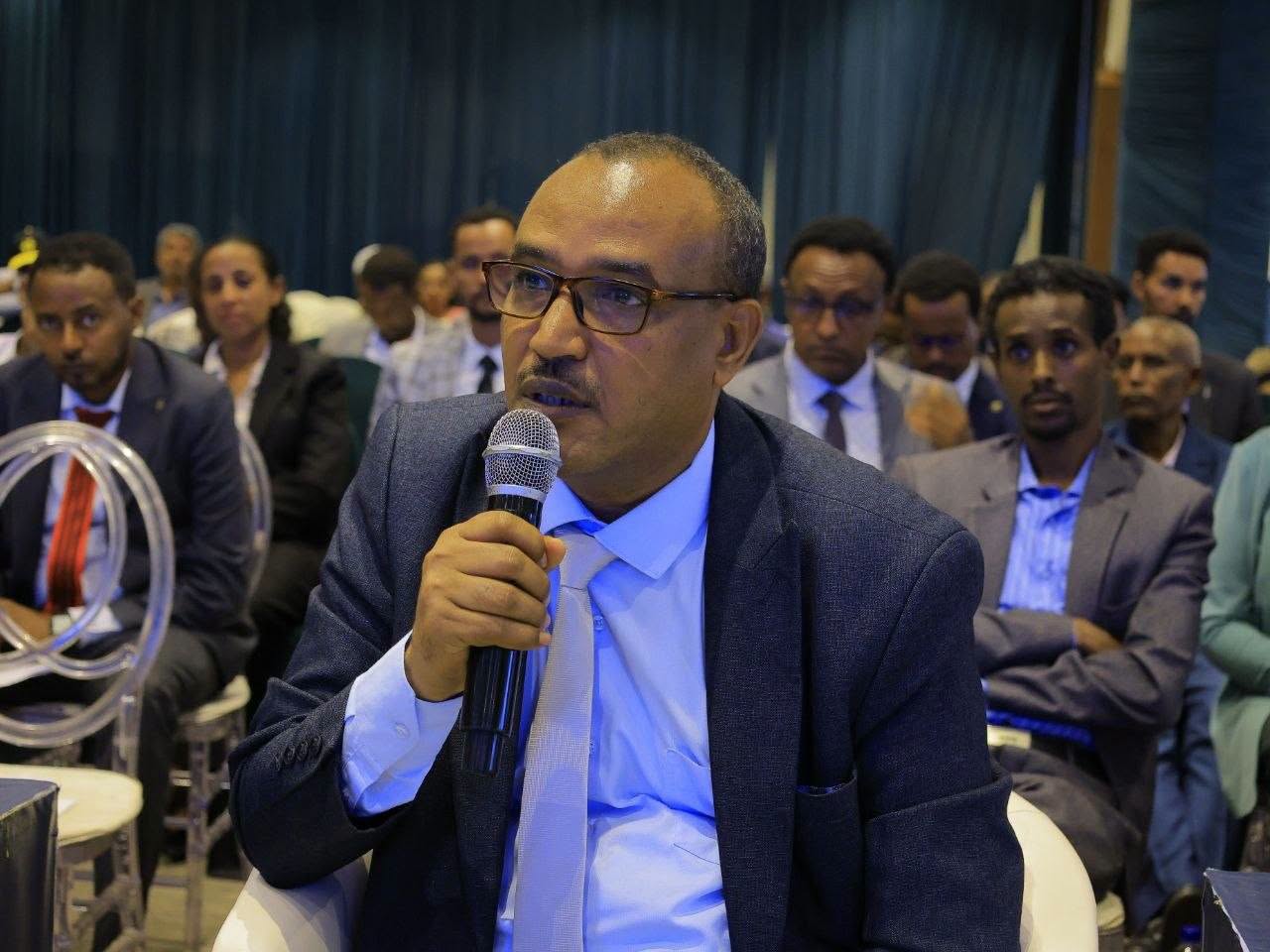
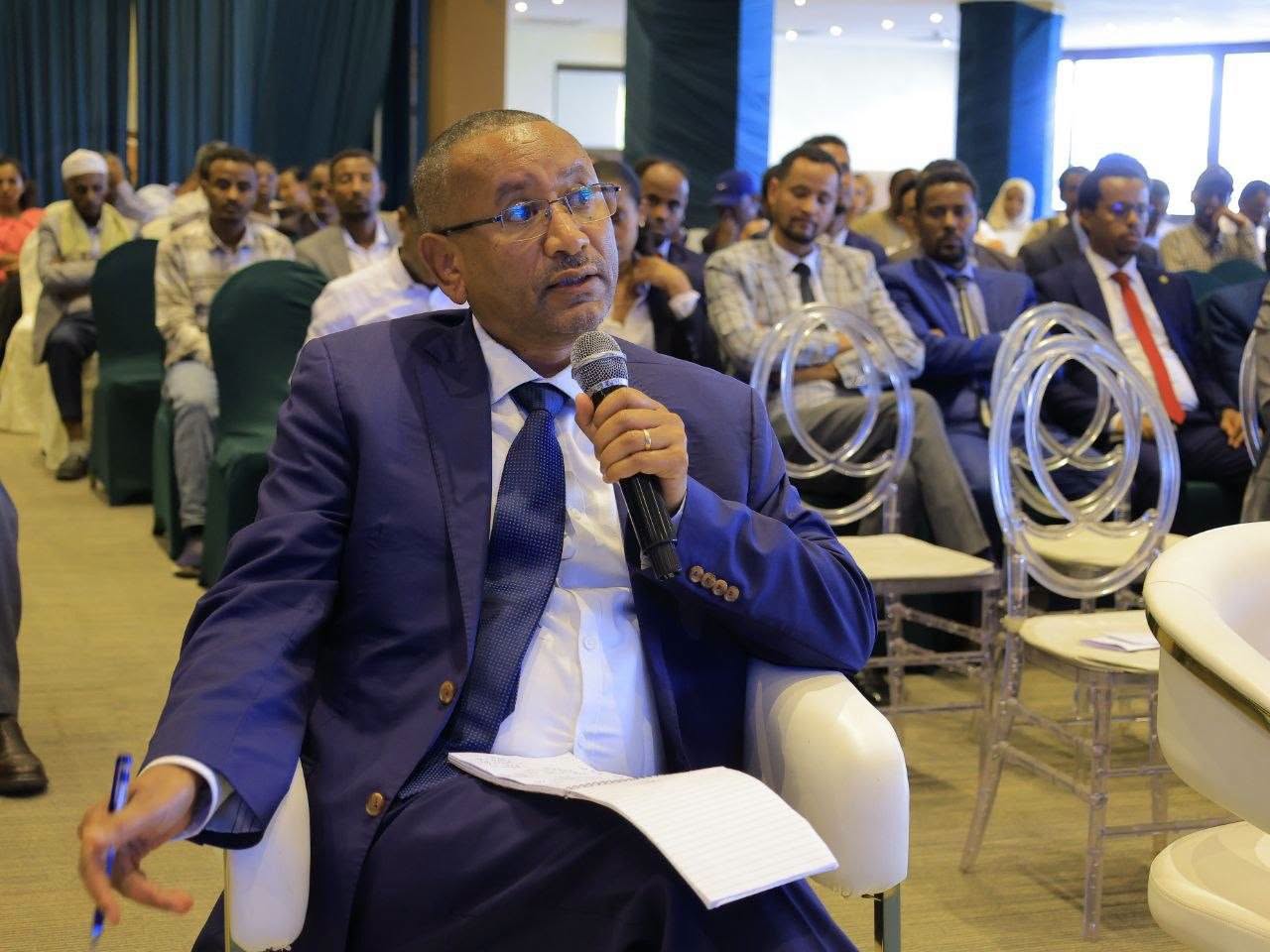
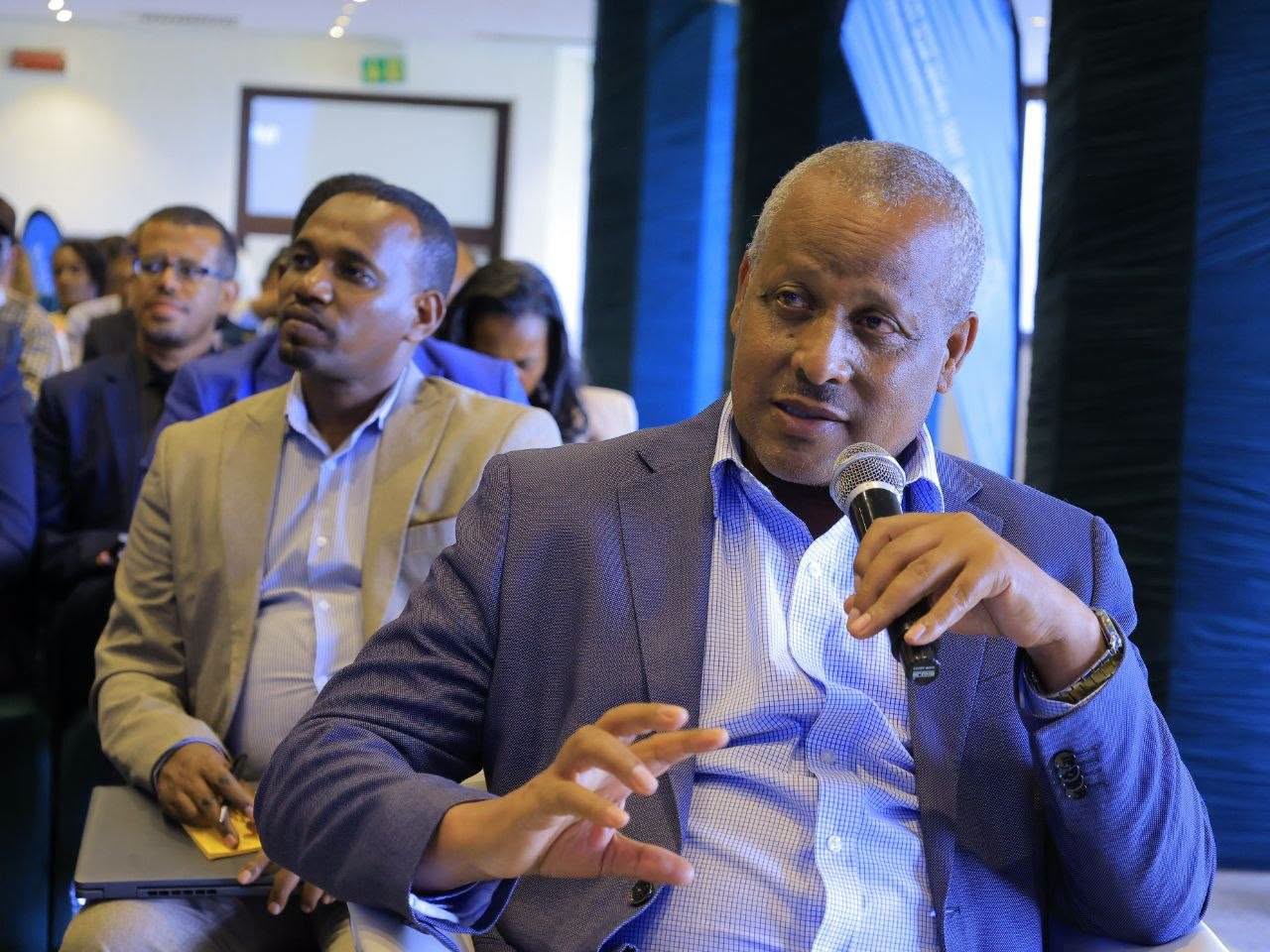
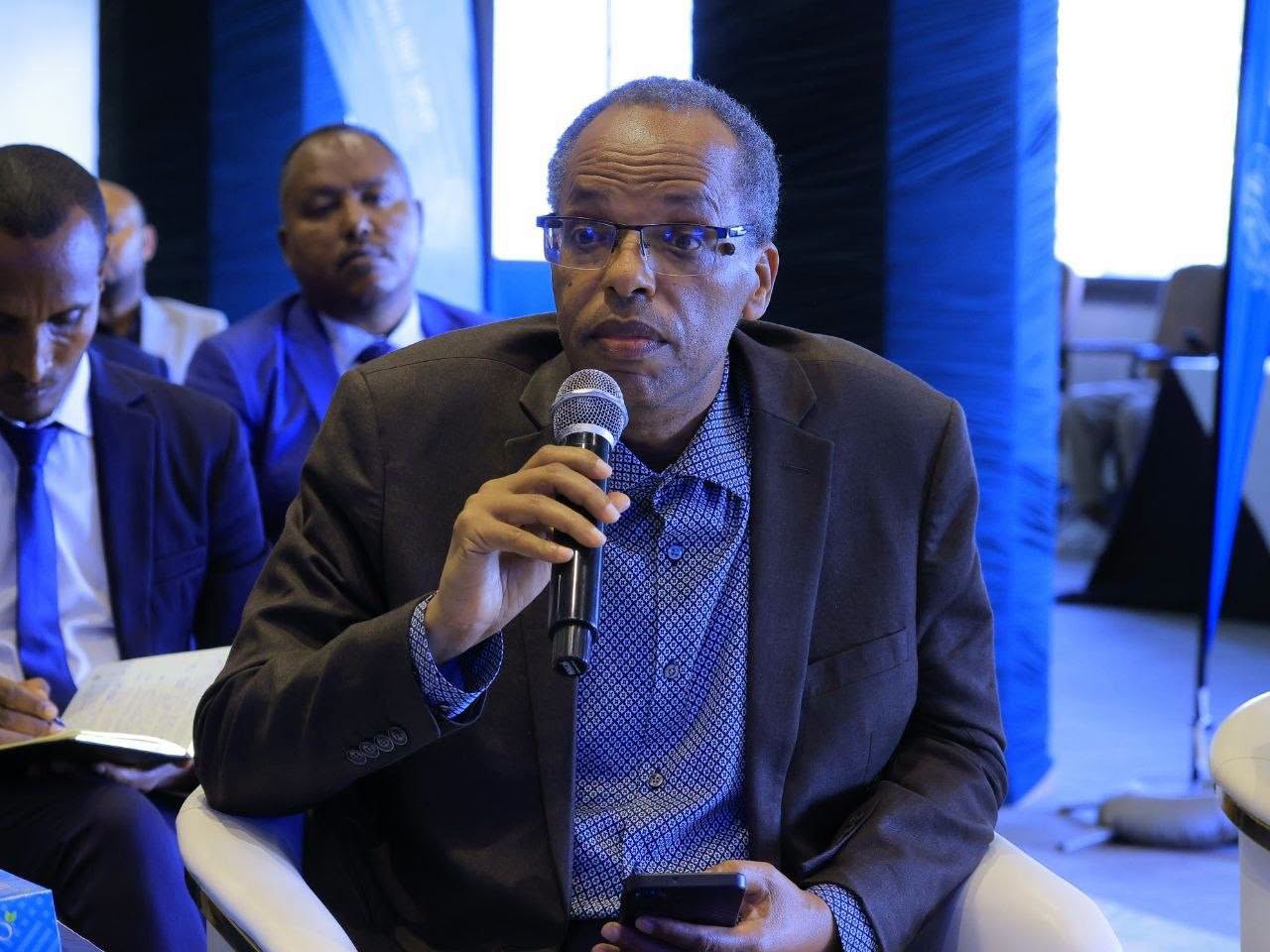
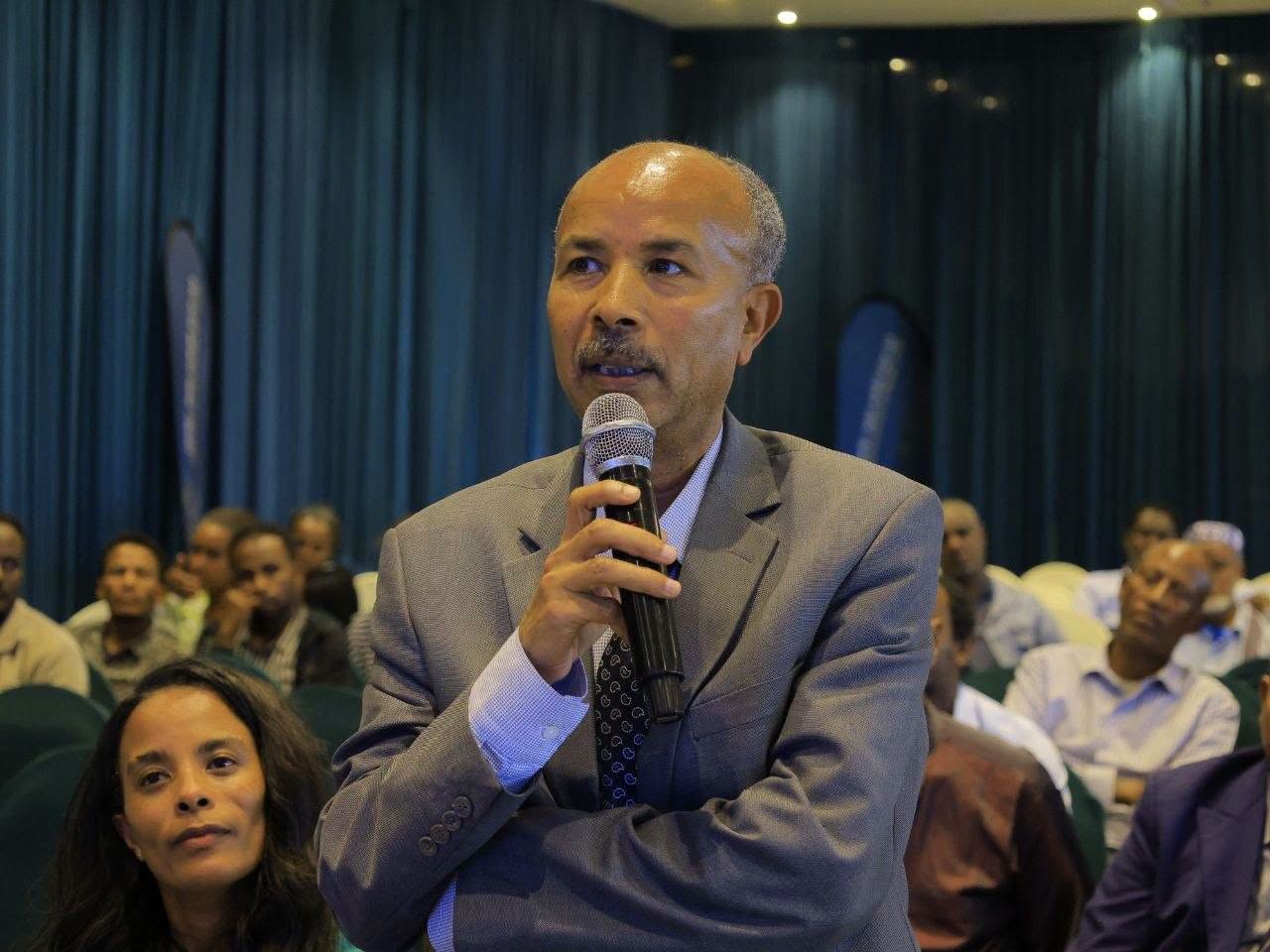
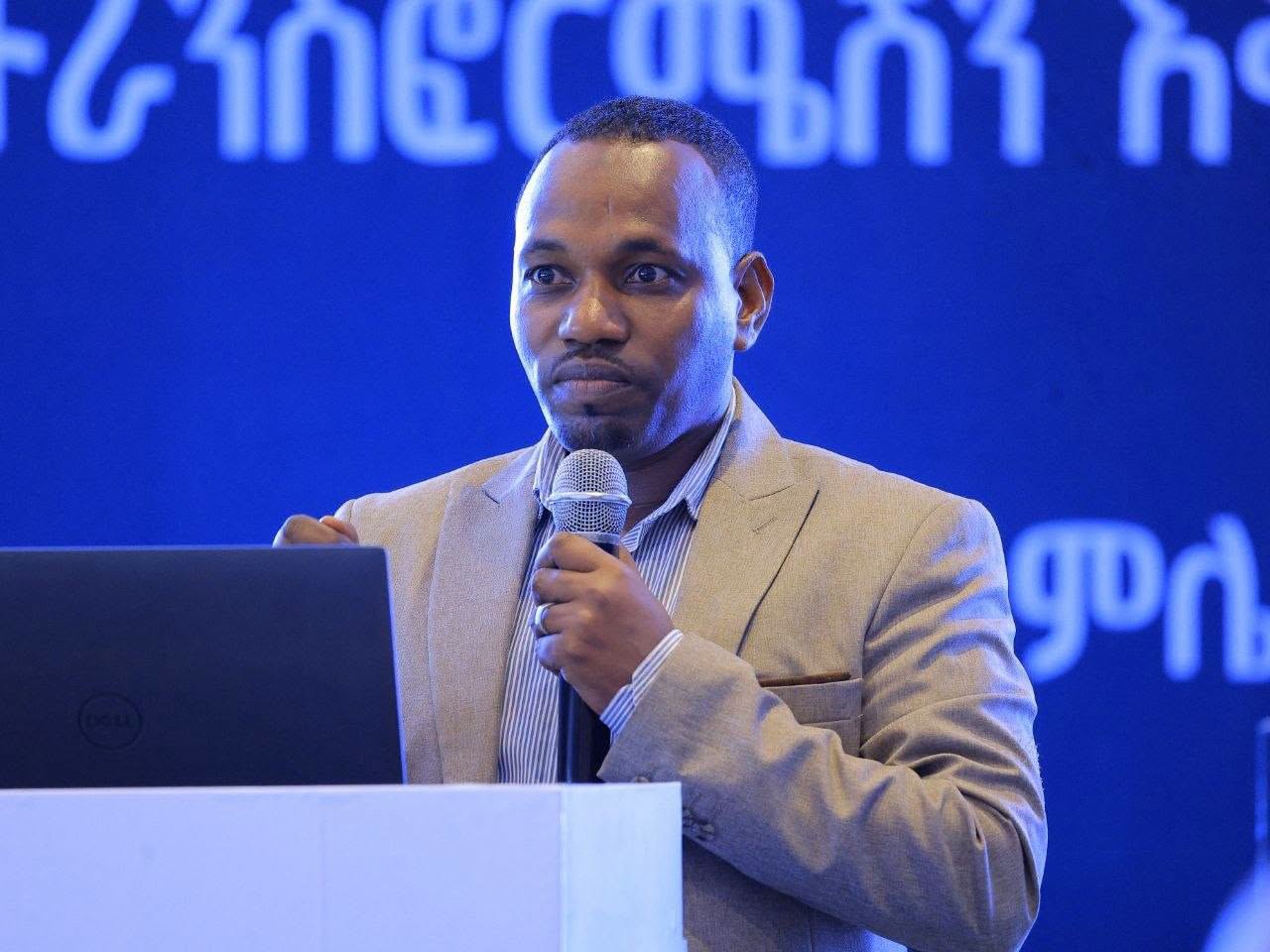
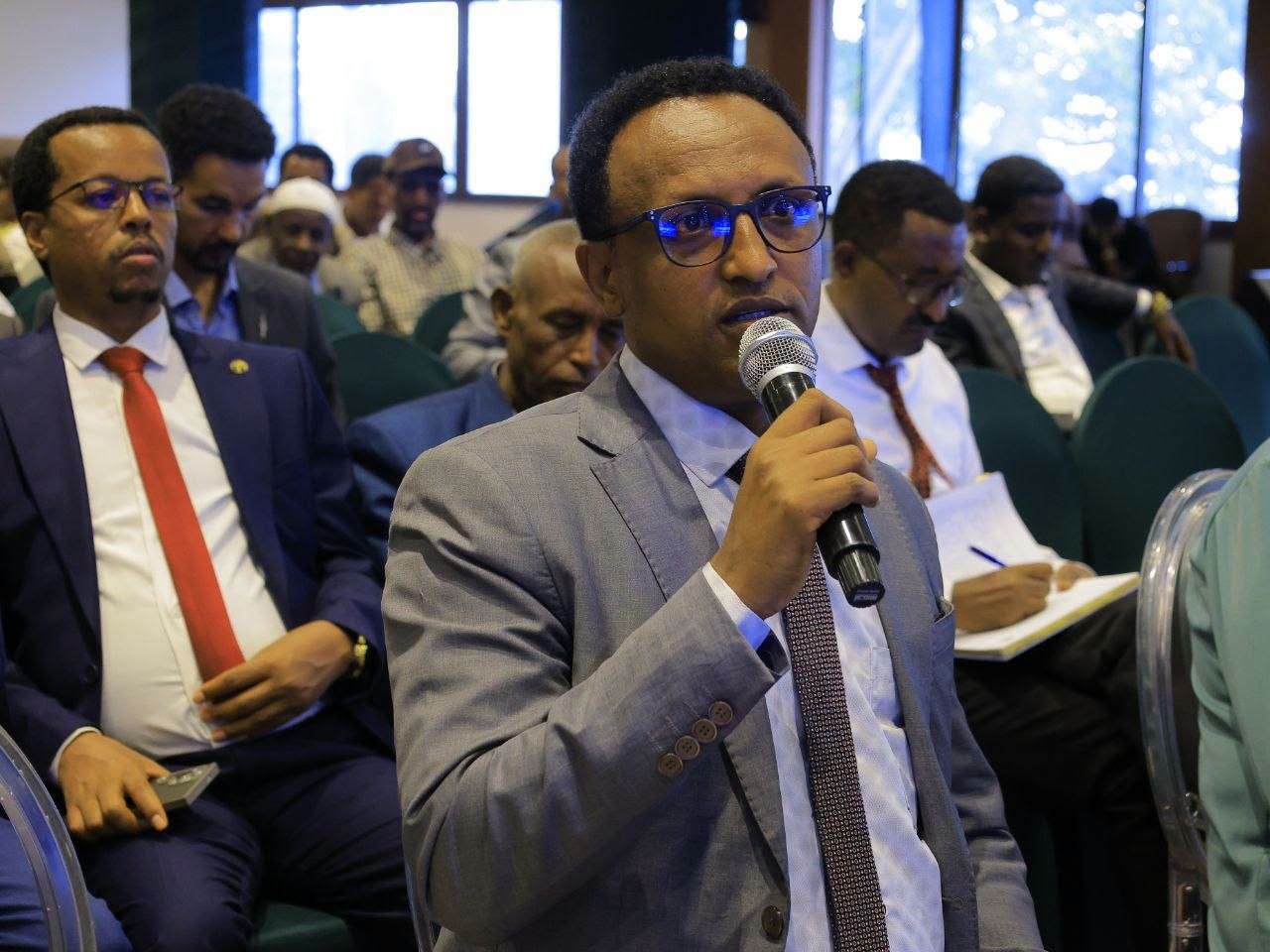
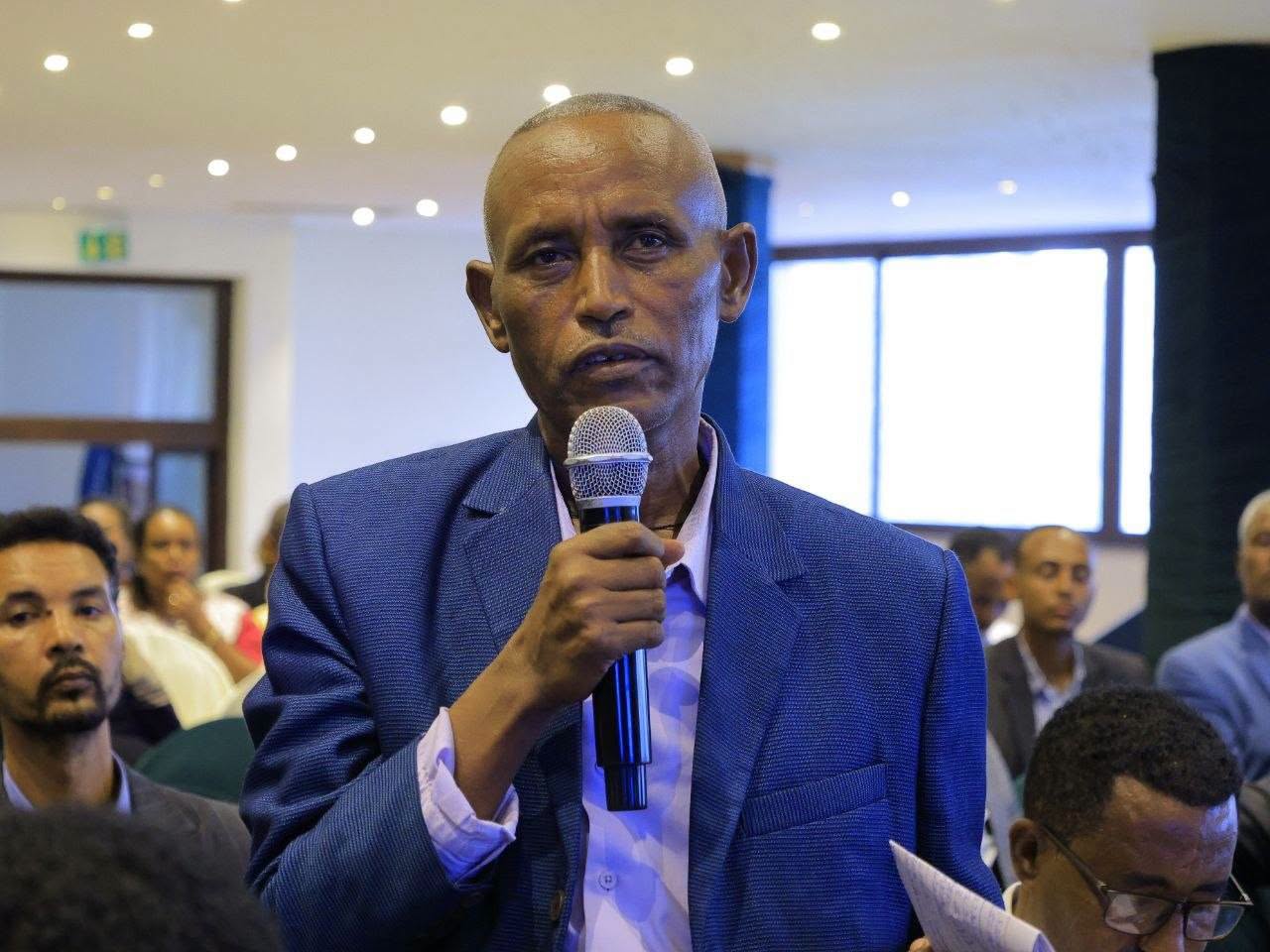
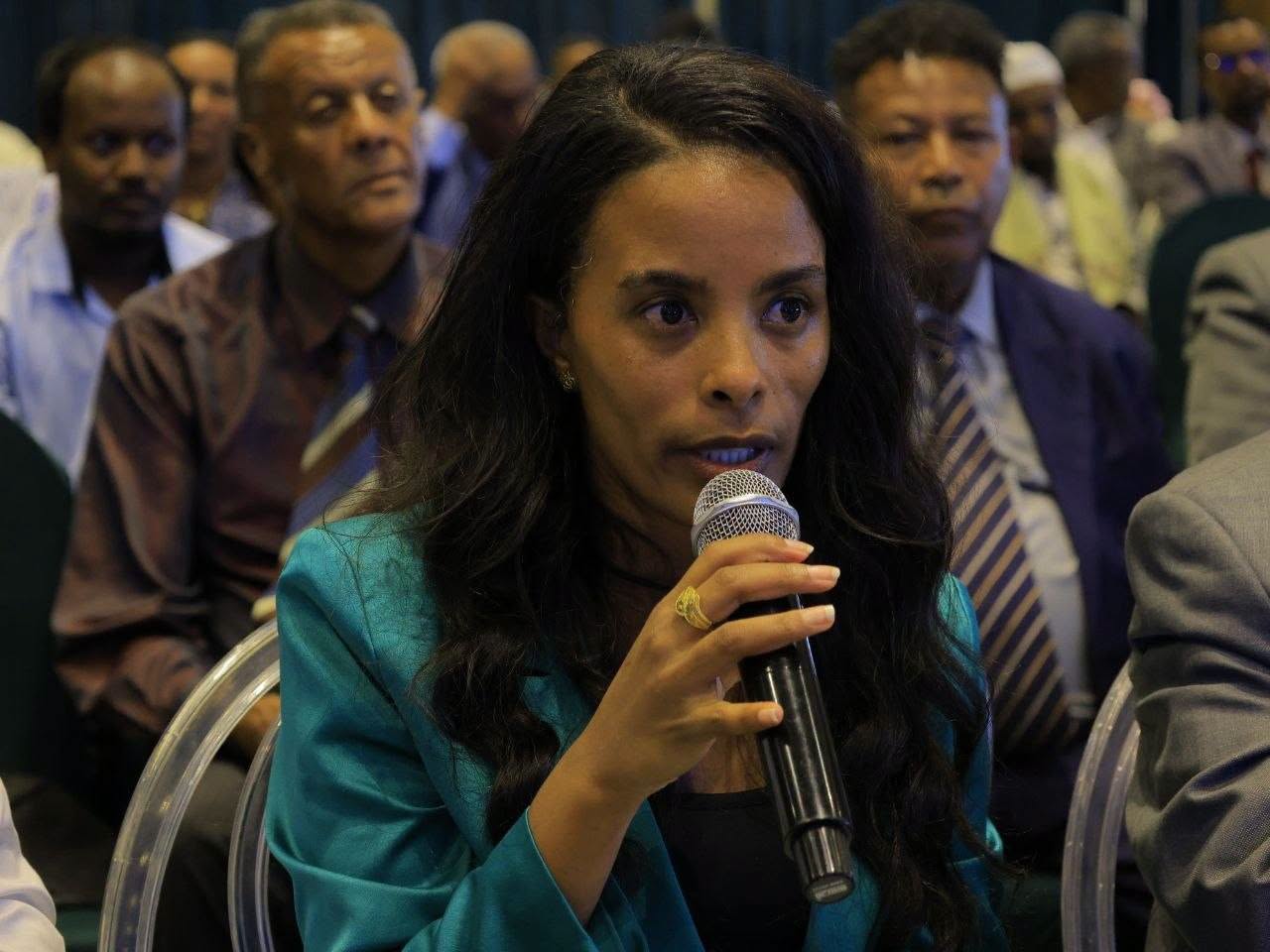
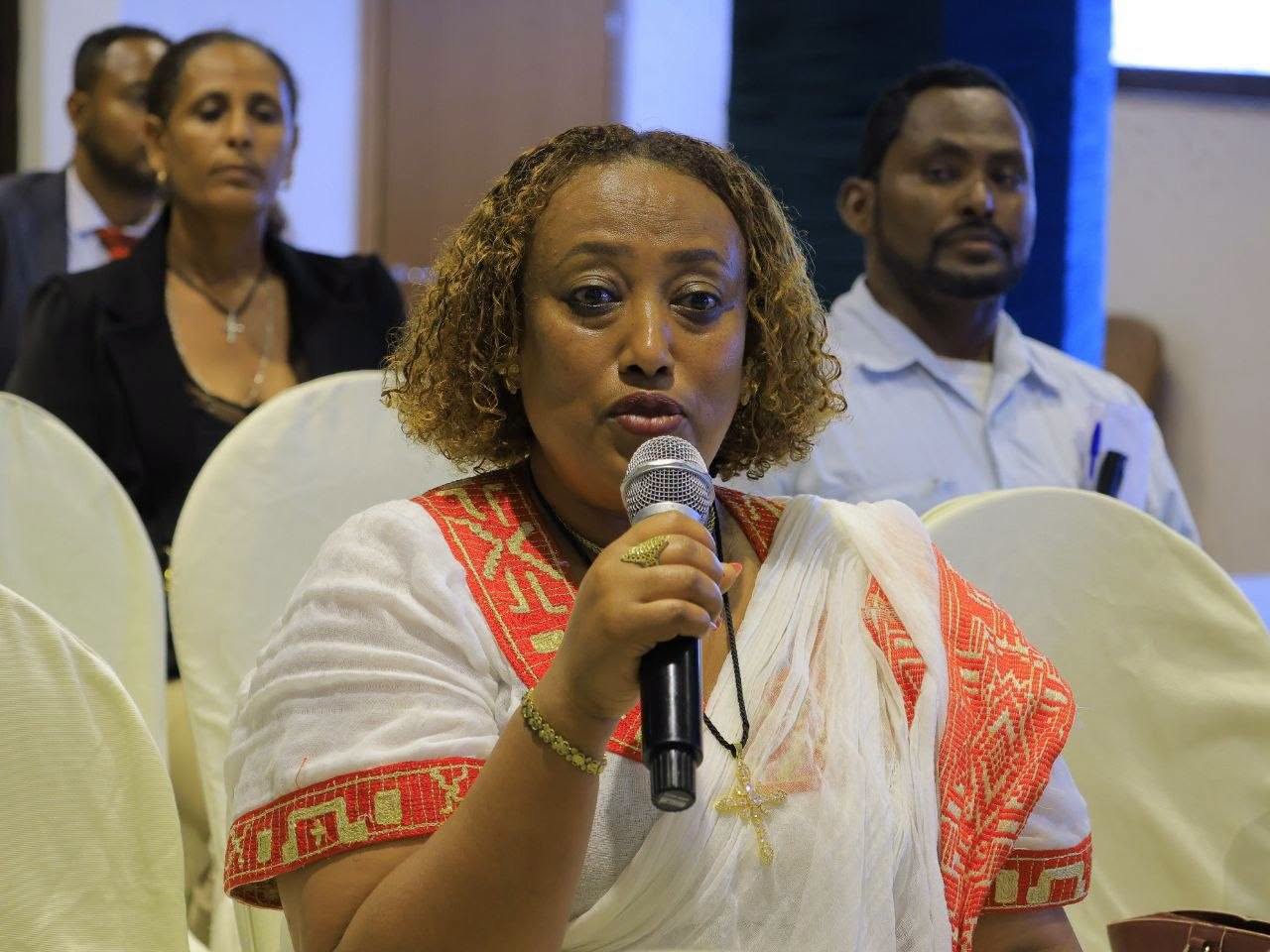
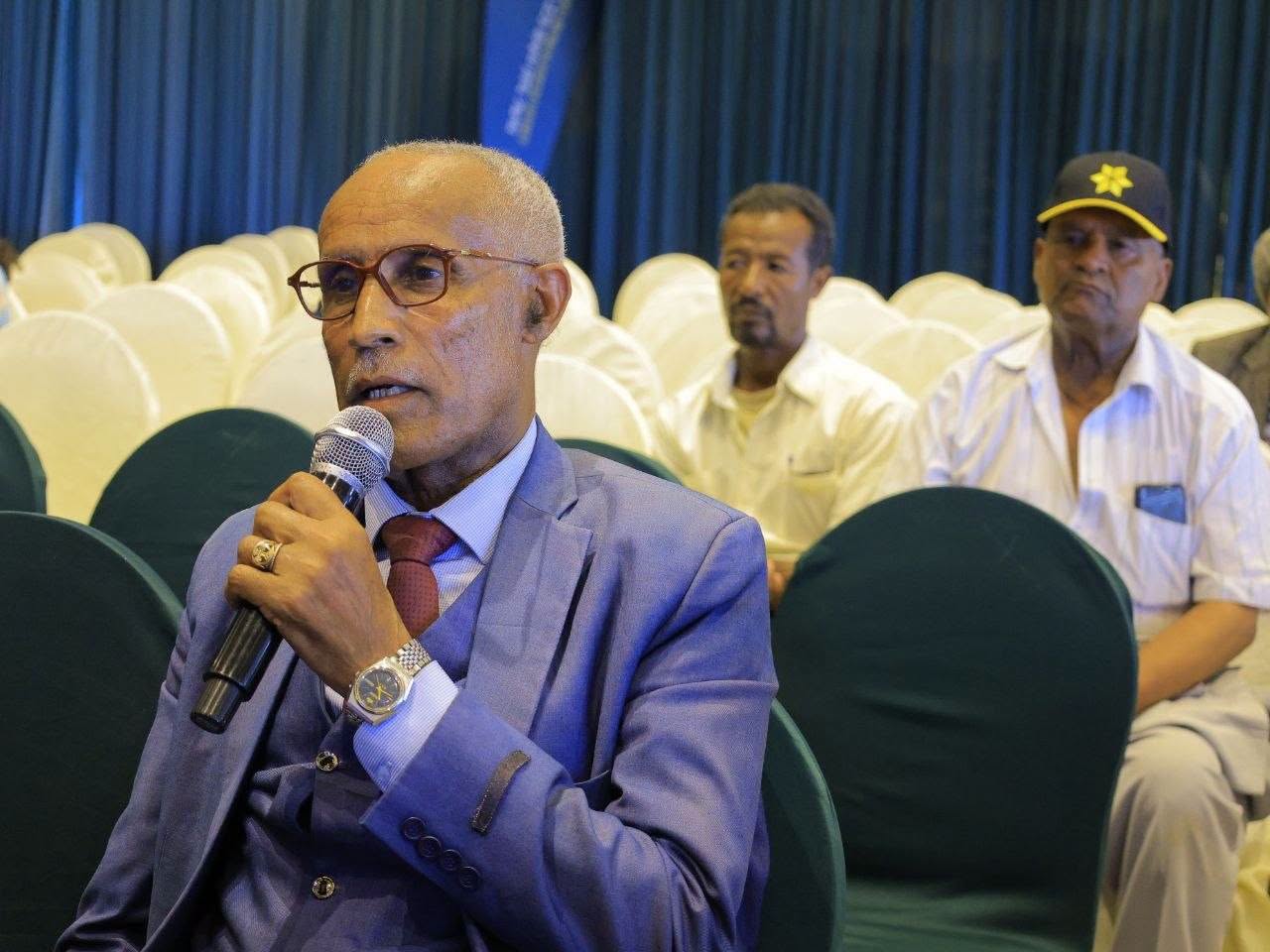
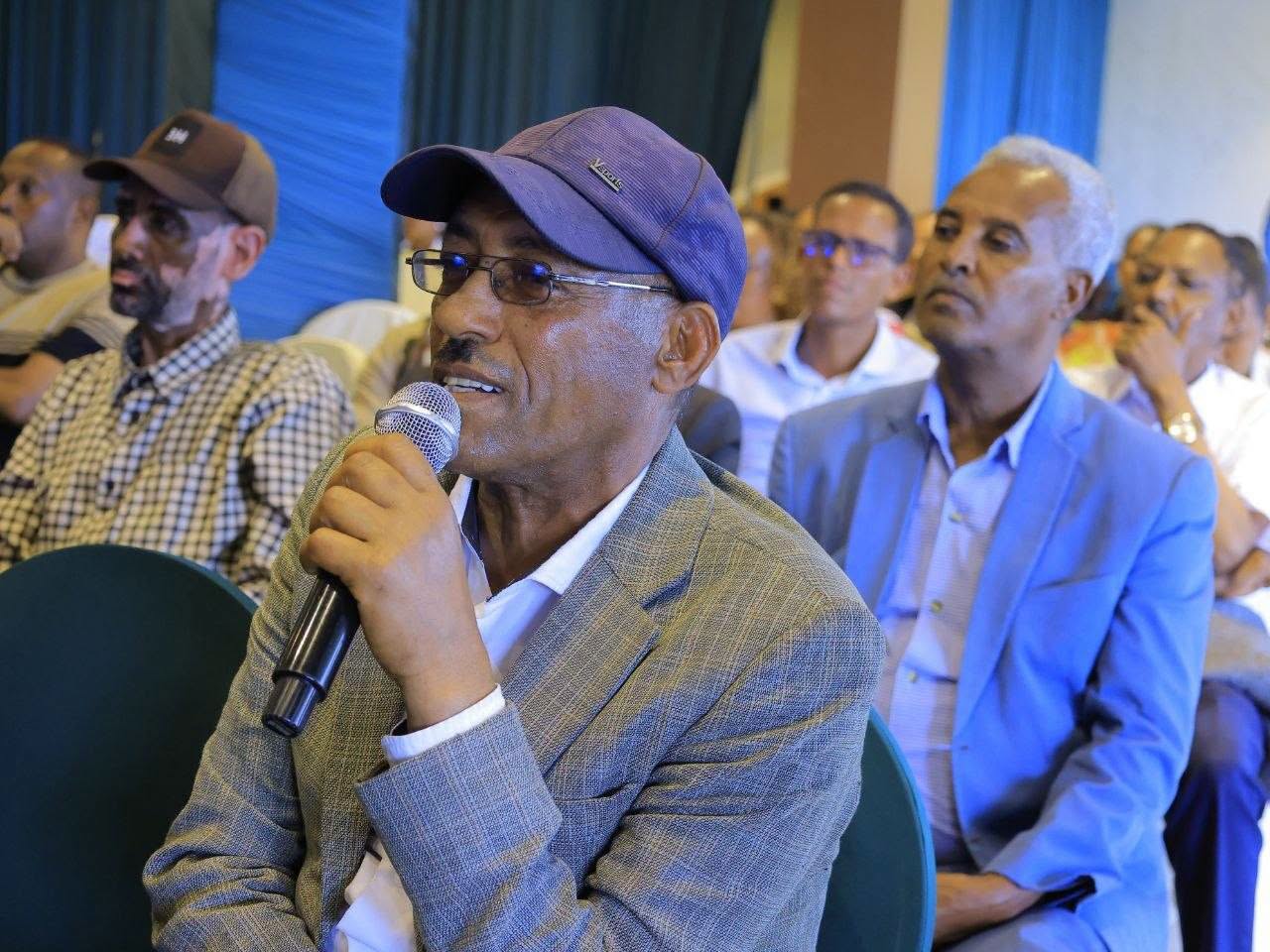
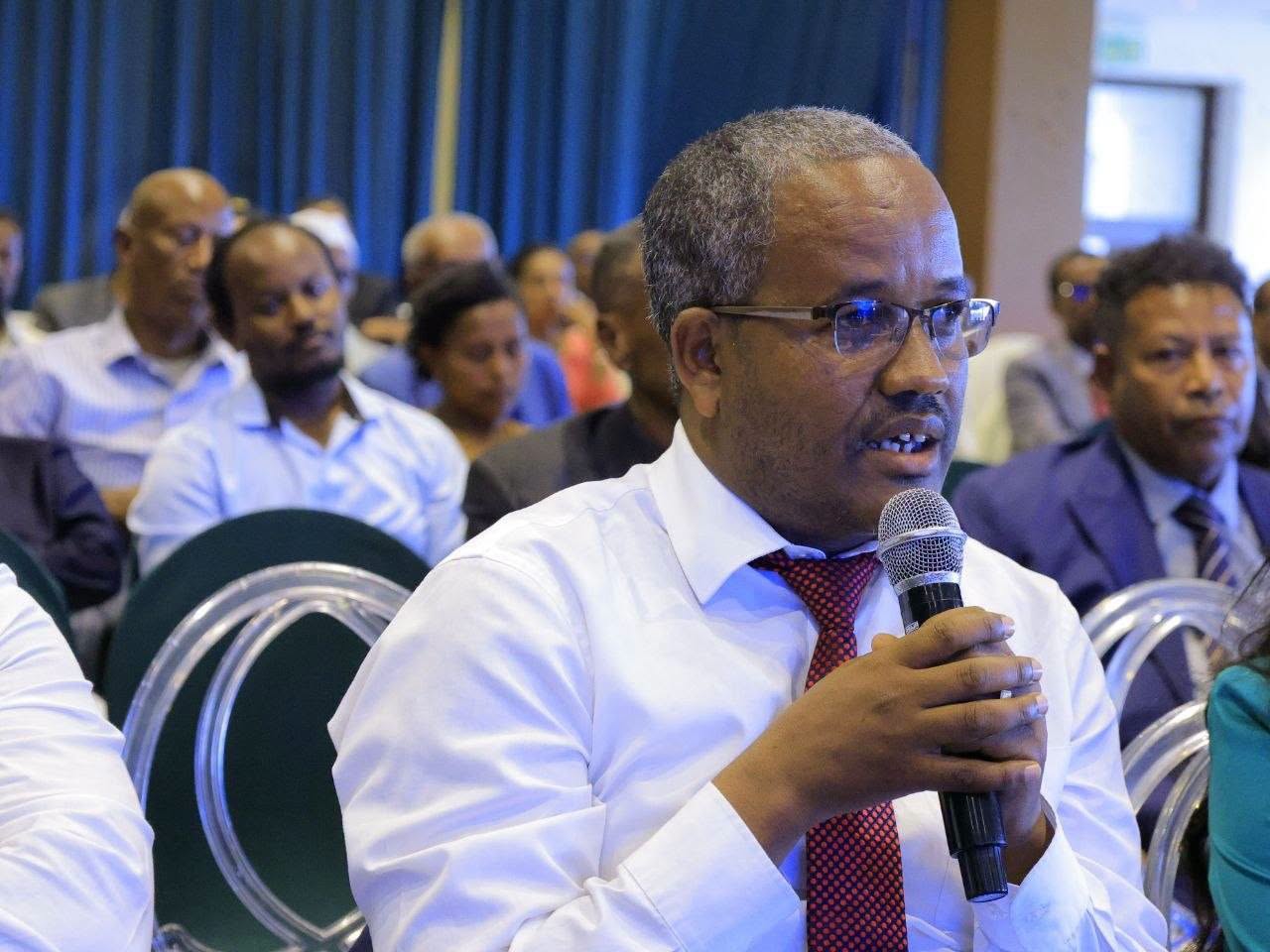
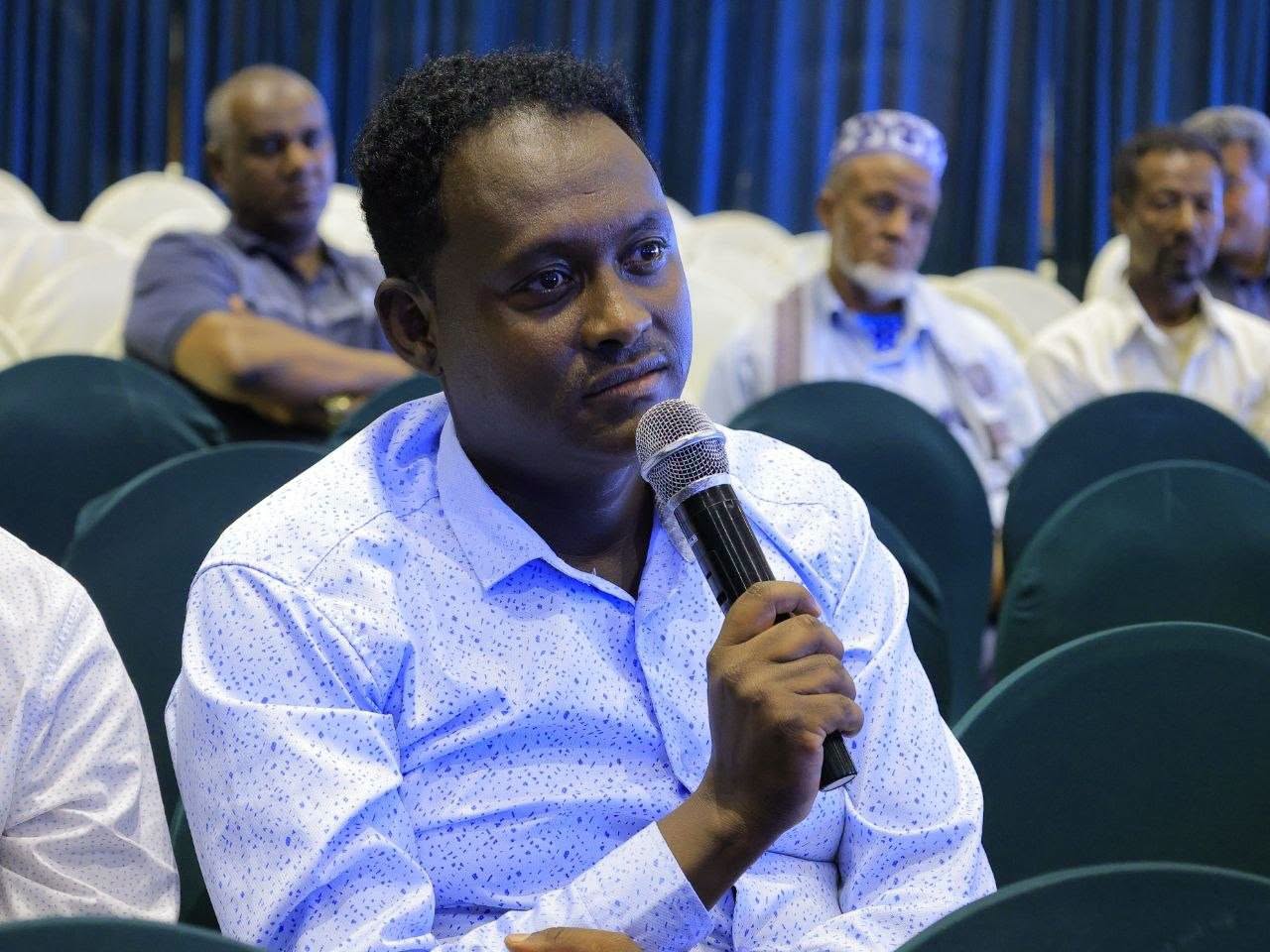
The implementation status of the regional courts' 2018 strategic plan and the overall achievements of the three-year judicial transformation program were presented in detail, followed by extensive discussions with participants, who shared comments, observations, and recommendations.
Participants commended the regional courts for the remarkable progress achieved through the transformation program. They noted that the reforms serve as a model for other institutions and praised the leadership of the President of the Supreme Court, stating that such achievements were made possible through committed leadership, effective implementation, and institutional dedication. They described the accomplishments achieved within a relatively short period as a valuable learning experience.
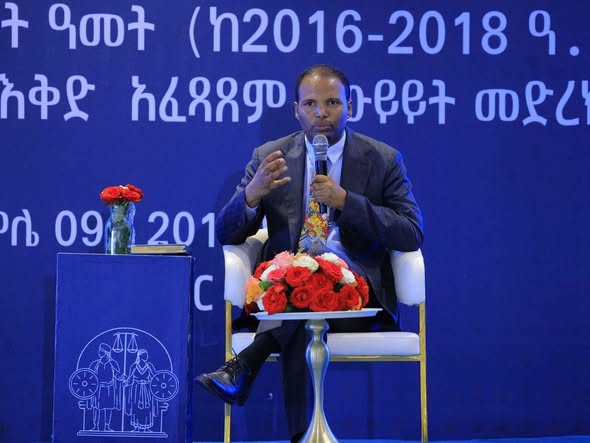
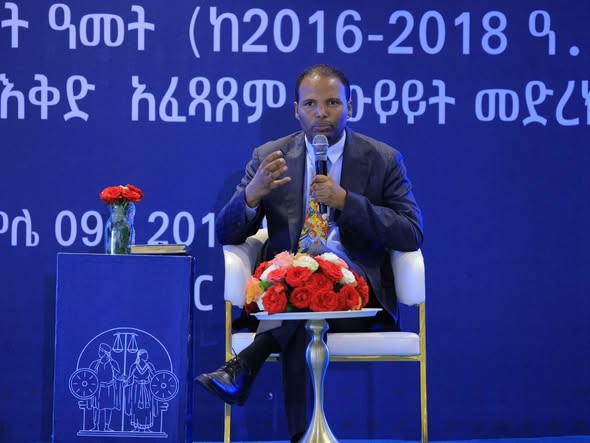
Participants also raised questions regarding the sustainability of the transformation initiatives, improved access to lower courts, and other judicial reform issues. The President of the Amhara Region Supreme Court, Honorable Ato Alemante Agidew, responded to the questions and provided detailed explanations on the issues raised.
In his closing remarks, Honorable Ato Alemante Agidew emphasized that the Supreme Court will continue to prioritize strengthening the capacity of judges, reinforcing professional ethics, preventing corruption, and expanding the customary court system. He also reaffirmed the Court's commitment to further advancing judicial digitalization, noting that technology plays a vital role in delivering efficient, high-quality, transparent, and accountable justice services.