
Bahir Dar, August 24, 2026 (Amhara Regional Supreme Court)
The Amhara Region Supreme Court is undertaking a range of reform initiatives aimed at fundamentally improving the delivery of judicial services across the region and ensuring that the public has access to services that are swift, predictable, affordable, and time-efficient.
As part of these efforts, leaders, judges, court-appointed officials, and employees at various levels have been playing their respective roles in implementing and sustaining the reform initiatives launched by the Court. Against this backdrop, administrative staff of the Amhara Region Supreme Court reviewed their performance during the 2018 Ethiopian fiscal year and held discussions on the plan for the upcoming 2019 fiscal year.
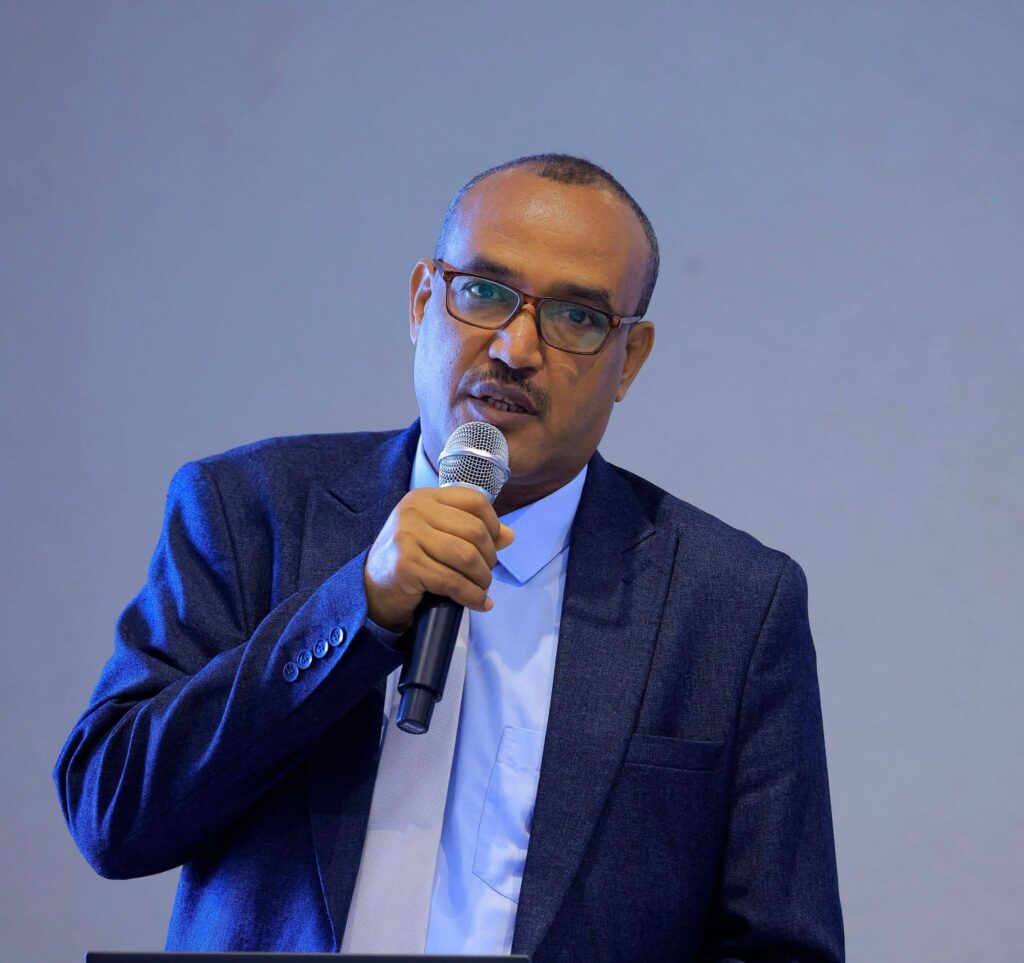
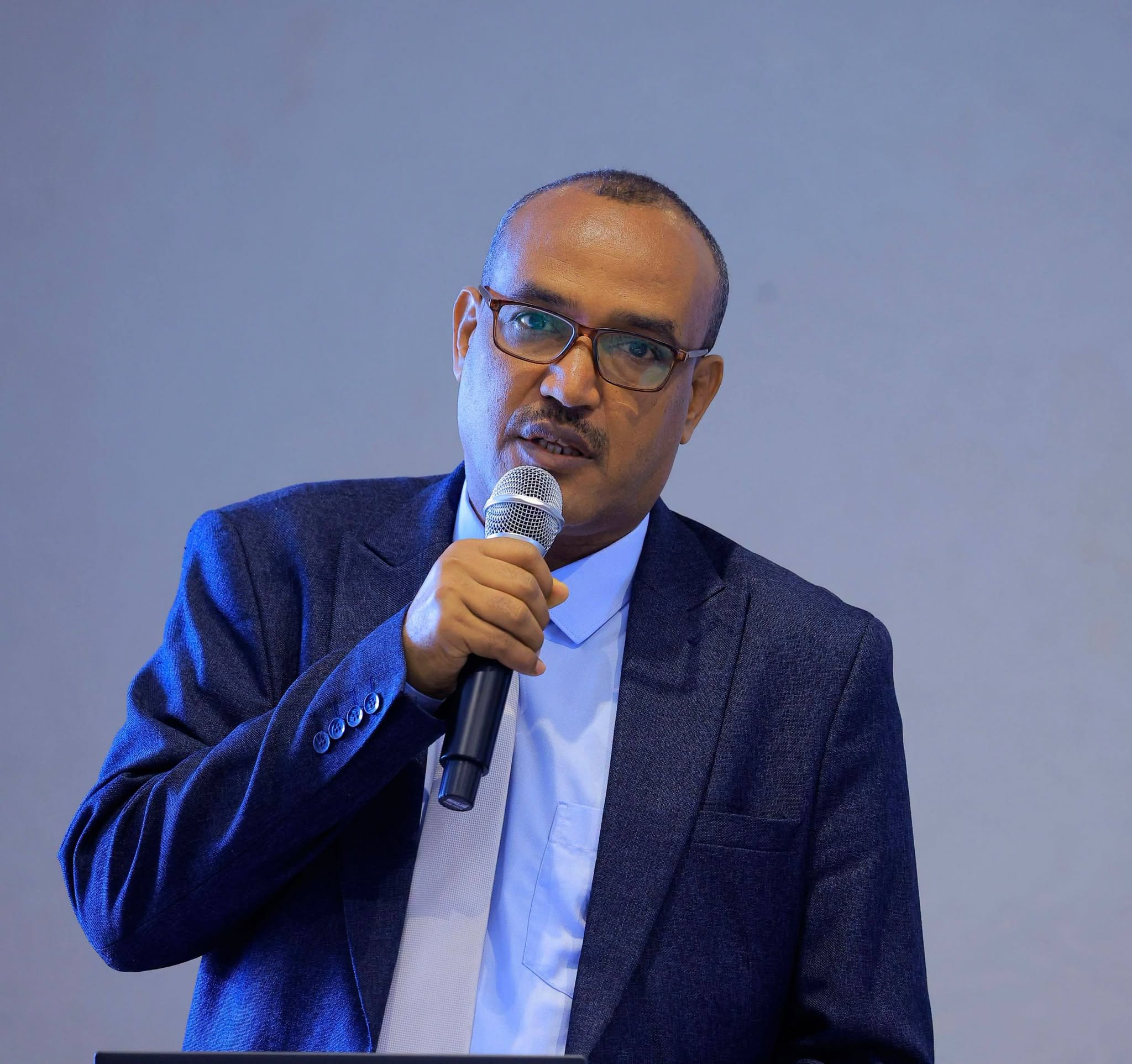
Delivering the opening remarks at the performance review and planning session, Deputy President of the Amhara Region Supreme Court Mr. Mulualem Biyazen said the region’s courts had registered improved performance during the fiscal year.
He noted that although the reforms had been guided by the leadership of the courts, the progress and results achieved were largely the outcome of the collective and coordinated efforts of judges and employees at all levels.
“We must further strengthen this collective effort and sustain the progress we have made in the coming fiscal year,” the Deputy President said.
He also noted that extensive cooperation had been undertaken with partners and stakeholders to fundamentally improve the delivery of judicial services throughout the region.
According to Mr. Mulualem, all court employees are expected to provide fast, efficient, and cost- and time-effective services to litigants and other court users who travel from different parts of the region to access judicial services.
He said that the modern judicial service delivery infrastructure introduced over the past two years had significantly reduced, and in many cases eliminated, the inconvenience faced by court users who previously had to travel to central locations under difficult circumstances.
“Today, witnesses are able to testify from wherever they are, including from foreign countries,” Mr. Mulualem said, highlighting the progress made through modern judicial service delivery mechanisms.
He further emphasized that the administration of justice cannot be carried out by a single institution alone and that the Court would continue to strengthen its cooperation and coordination with other justice-sector institutions.
The Deputy President also stated that the Court would work extensively to provide accessible and quality judicial services through digital judicial service delivery options and alternative dispute resolution mechanisms, including customary courts.
He called on employees at all levels to further strengthen and sustain the reform and improvement efforts already underway so that the initiatives launched by the Supreme Court could be fully implemented and produce lasting results.
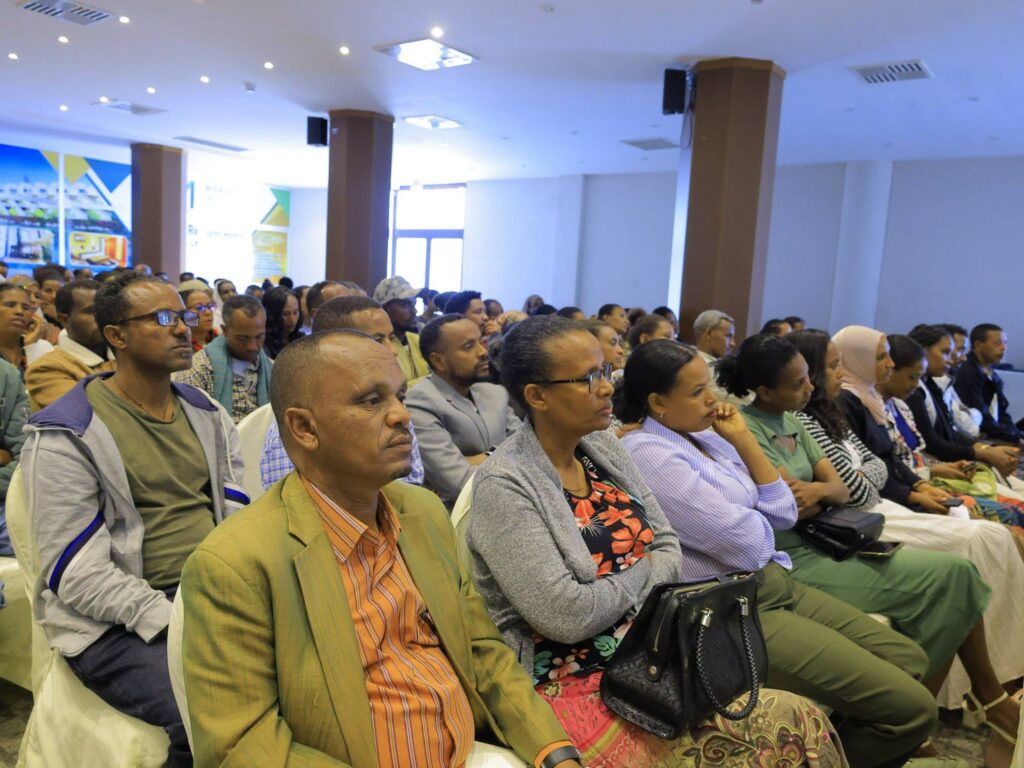
All employees of the Supreme Court, including staff of its various divisions and benches, participated in the performance review and planning forum.
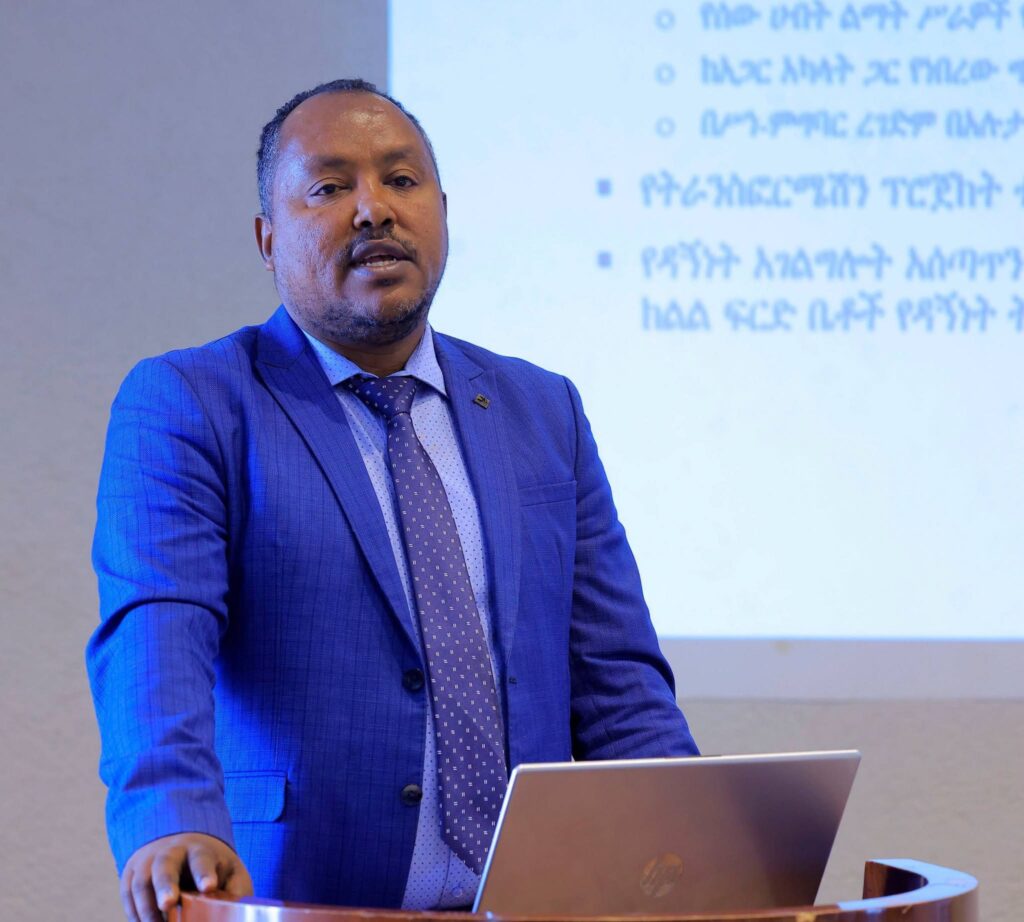
During the session, Mr. Firew Tadesse, Director of Strategic Affairs at the Amhara Region Supreme Court, presented a report on the implementation of the regional courts’ transformation plan covering the 2016–2018 fiscal years, as well as the Court’s plan for the 2019 fiscal year.
In his presentation, Mr. Firew noted that the regional courts had previously faced a number of challenges, including problems related to accessibility, efficiency, and quality of service; inadequate use of technology in service delivery; insufficient attention to human resource development; relationships with partner institutions that at times undermined the independence of the courts; and ethical and professional challenges.
He explained that extensive efforts had been undertaken during the three-year implementation of the transformation plan to address these challenges, resulting in encouraging improvements.
Mr. Firew further outlined the factors that prompted the development of the transformation plan, the reform and improvement measures that had been implemented, and the results achieved. He explained that the 2019 fiscal year plan had been prepared based on the regional government’s 25-year transformative and sustainable growth and development plan, the courts’ five-year strategic plan, the performance recorded during the 2018 fiscal year, and the judicial transformation plan implemented from 2016 to 2018.
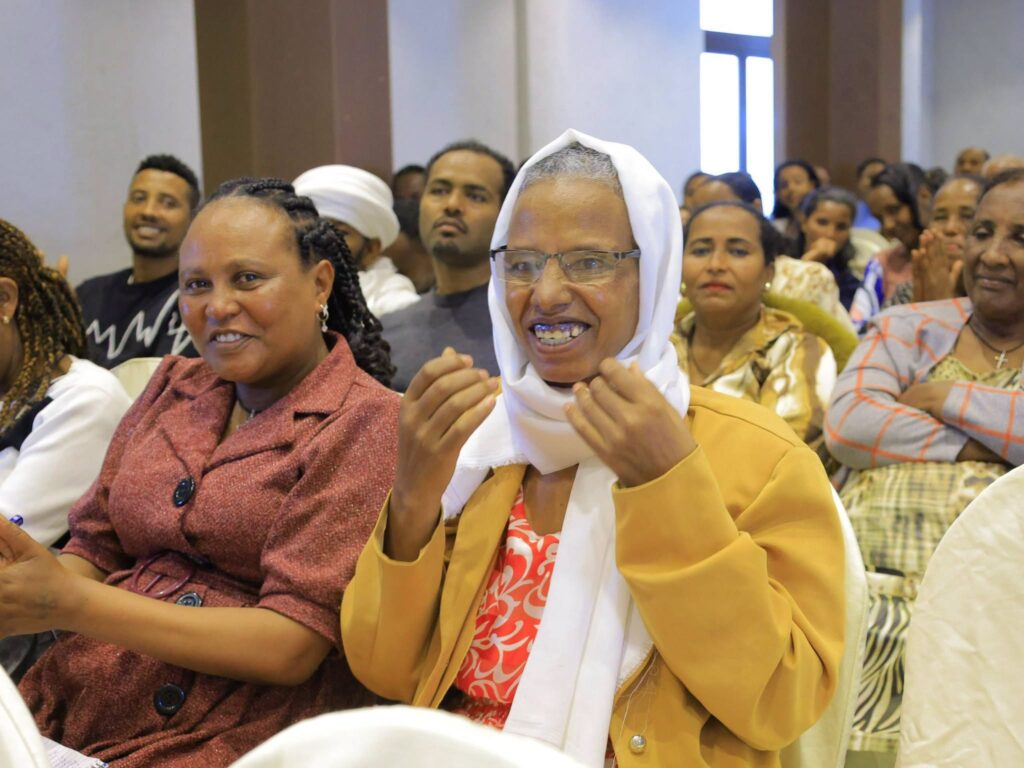
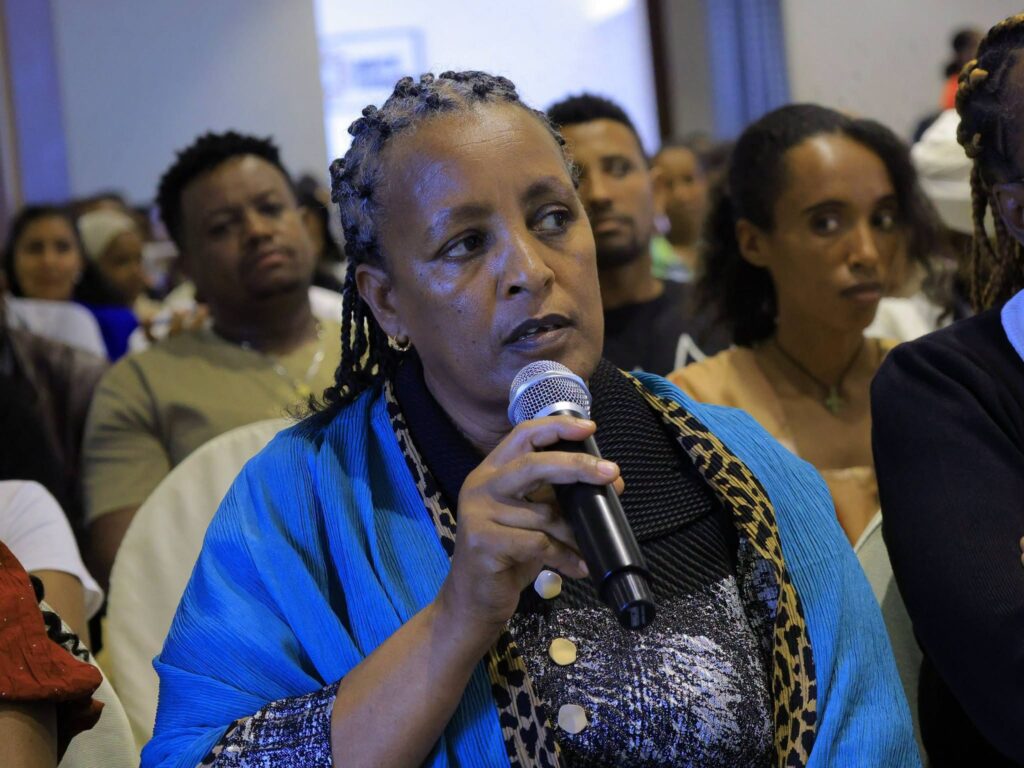
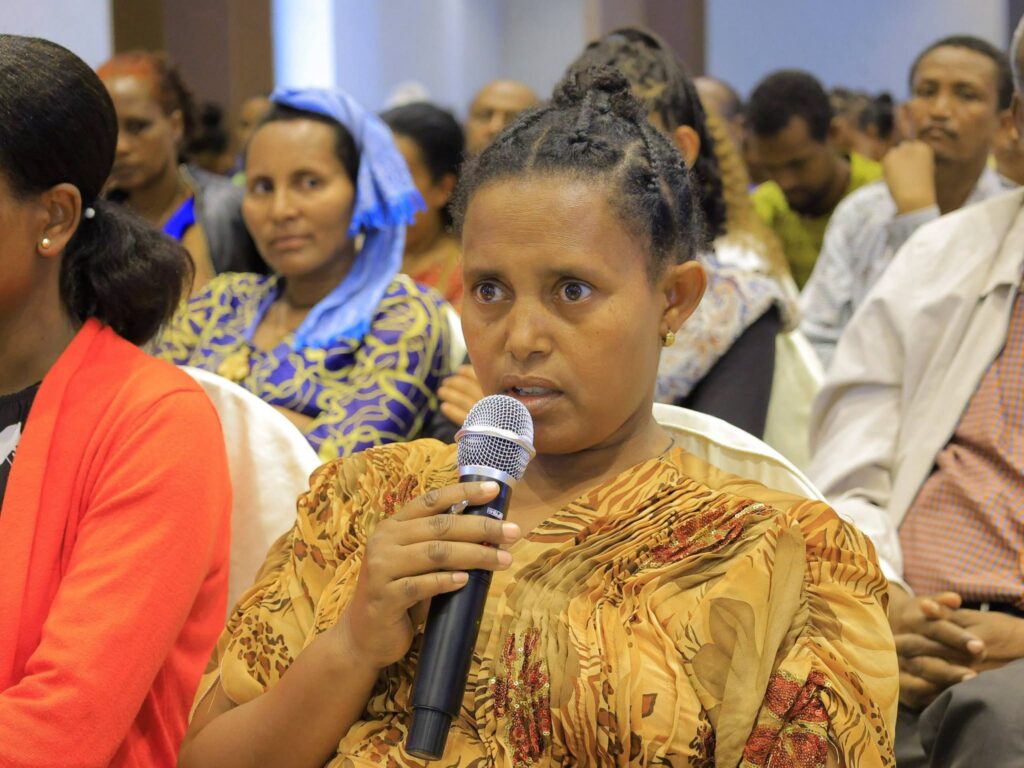
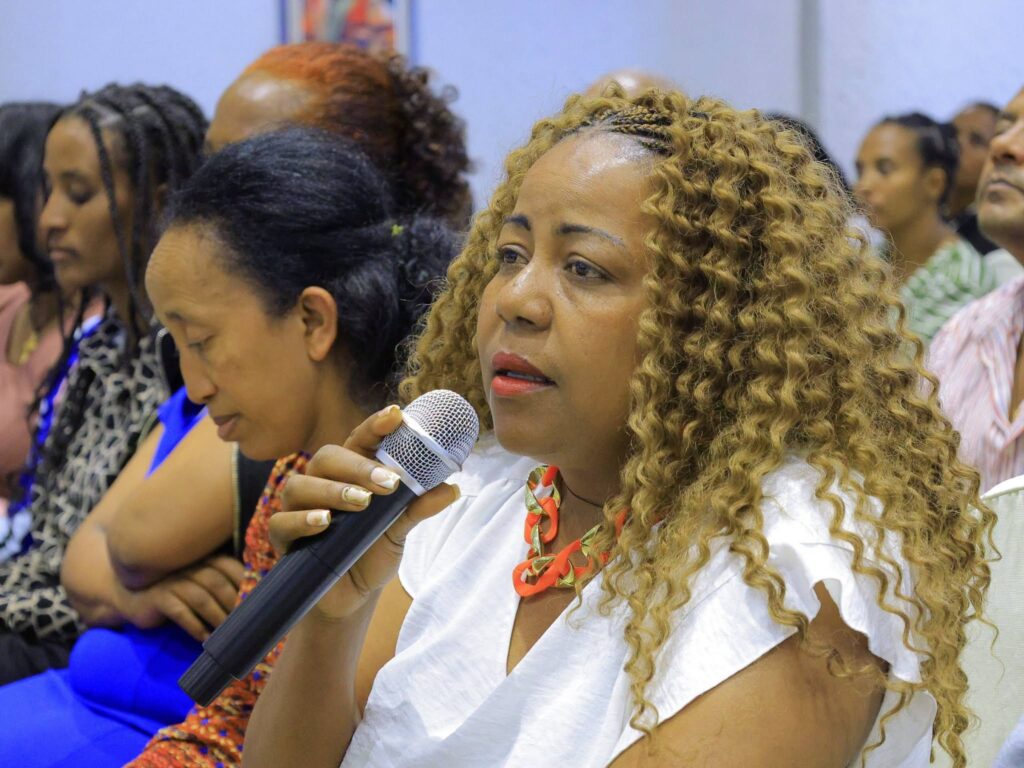
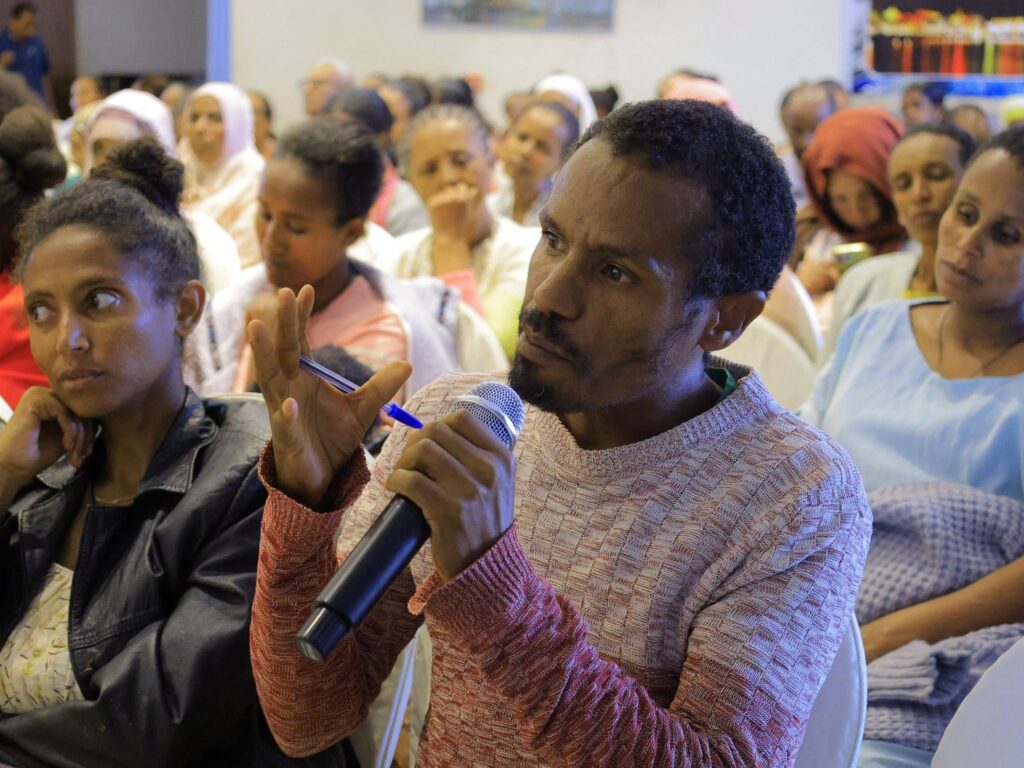
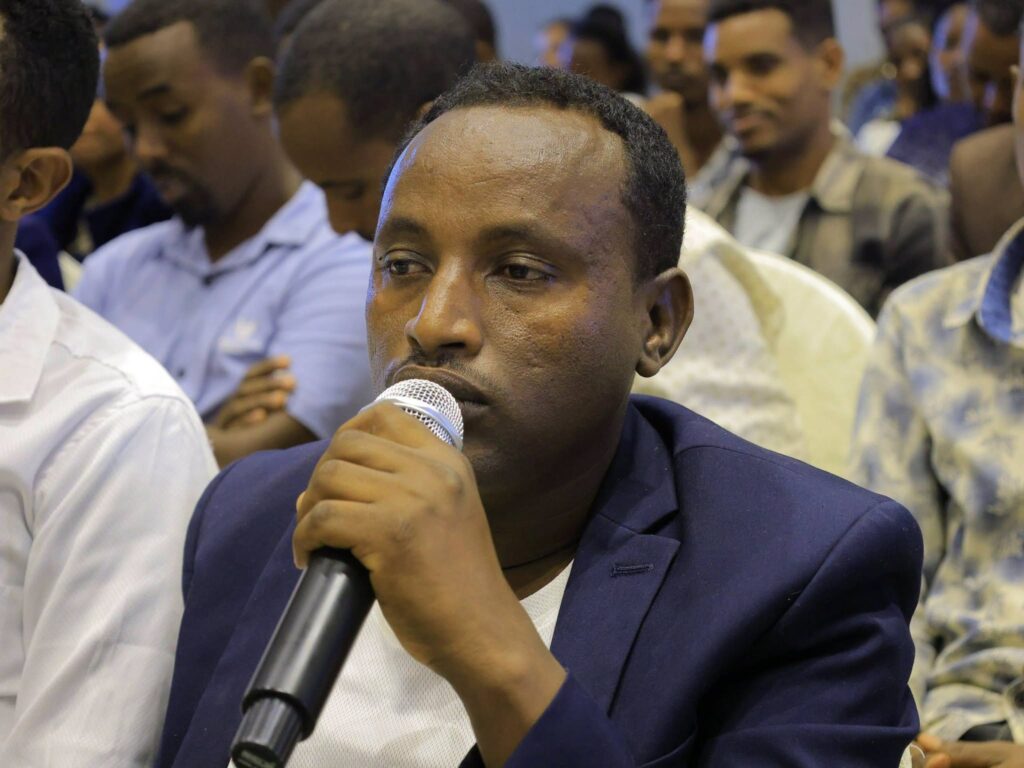
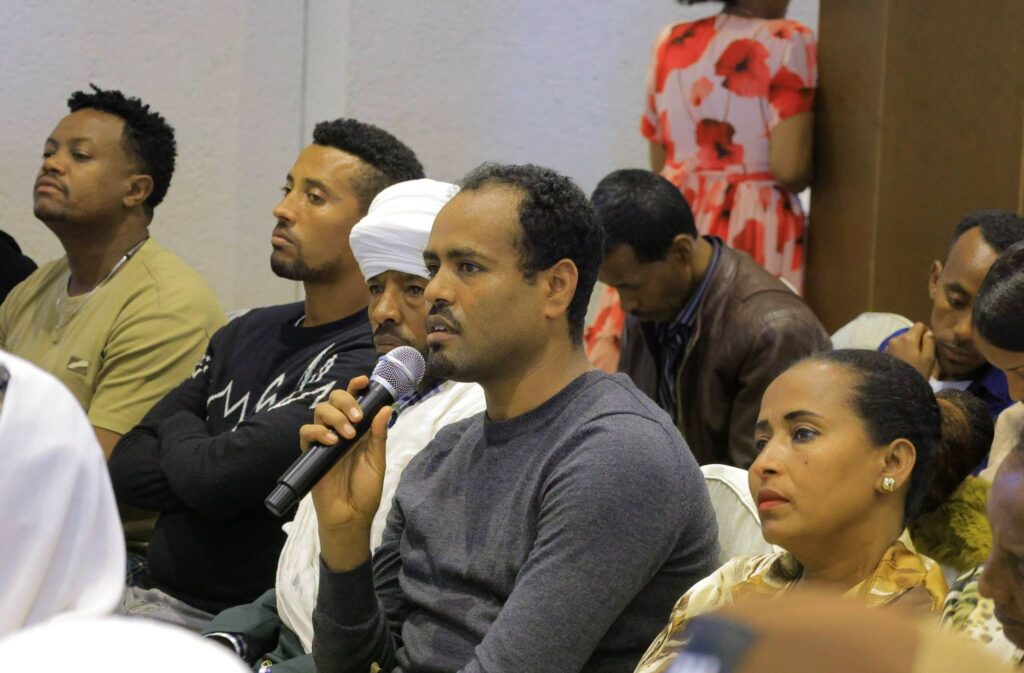
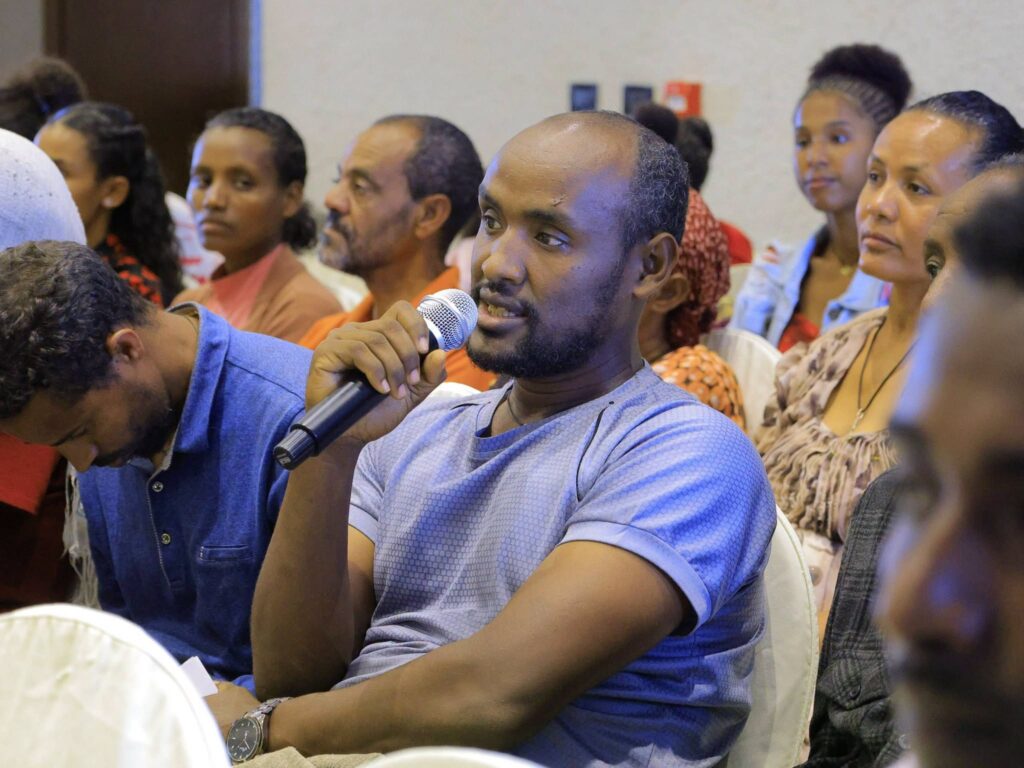
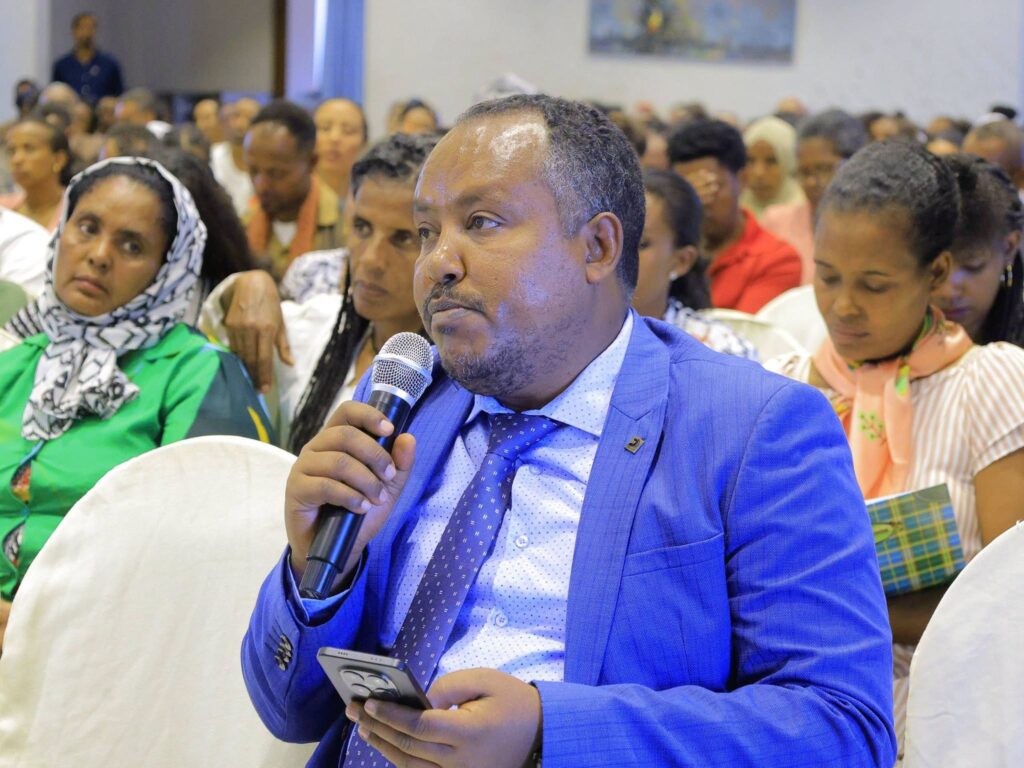
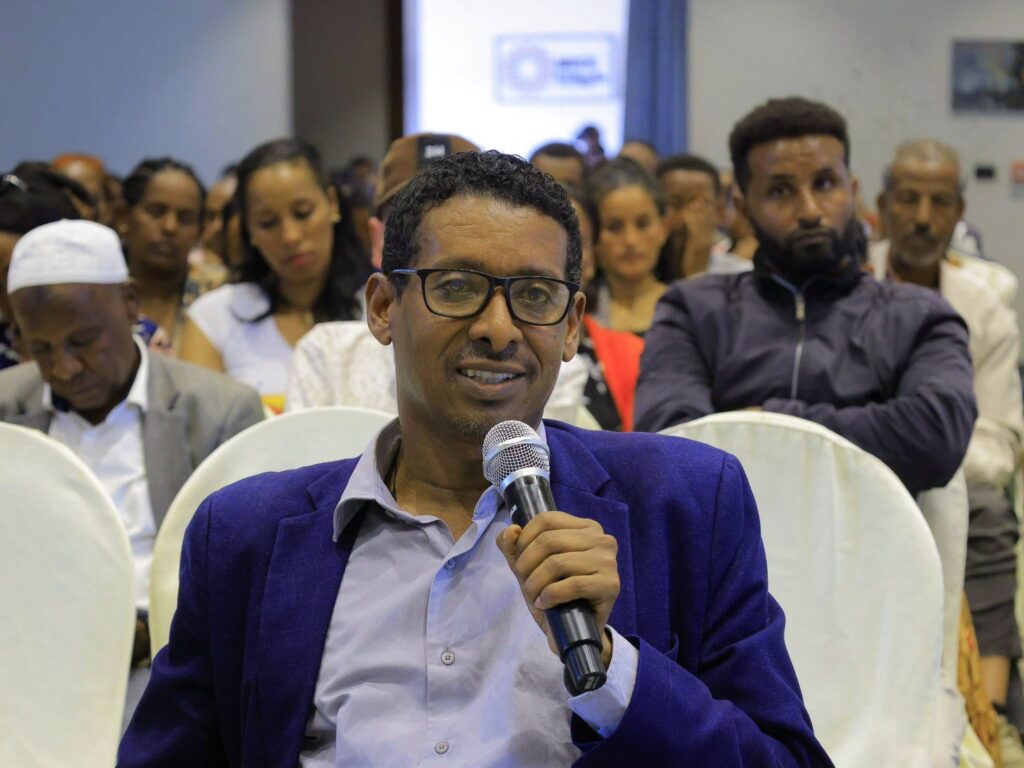
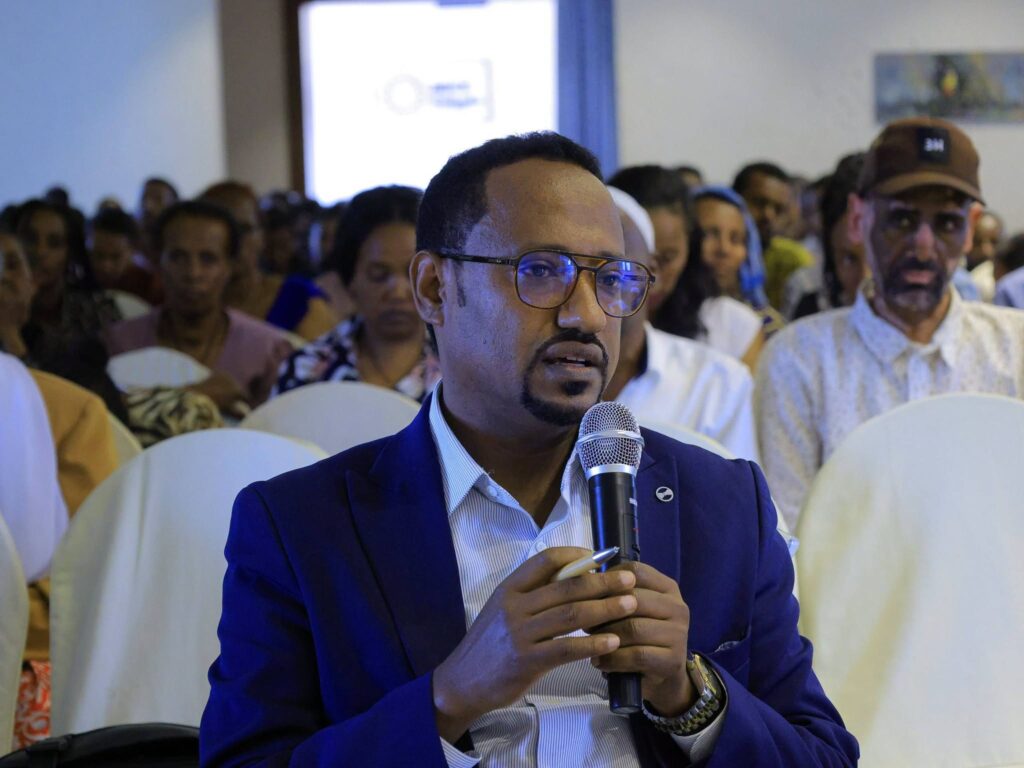
Following the presentations on the implementation of the plan and the proposed plan for the upcoming fiscal year, employees of the Supreme Court shared their views and comments.
The employees noted that they had witnessed firsthand the significant improvements brought about by the Court’s reform initiatives, particularly in reducing the costs and inconvenience experienced by court users. They also raised questions on various issues, which were addressed through explanations and responses from the responsible officials.
Mr. Endalew Aytenfisu, chief of staff of the president office, Worku Yaze (A/P), Special Adviser to the President and Mr. Firew Tadesse, Director of Strategic Affairs, responded to questions related to their respective areas of responsibility.
Deputy President Mr. Mulualem Biyazen, who led the discussion with the employees, also provided responses and further explanations to the issues raised during the session.