
Bahir Dar, August 12, 2026 (Amhara Region Supreme Court)
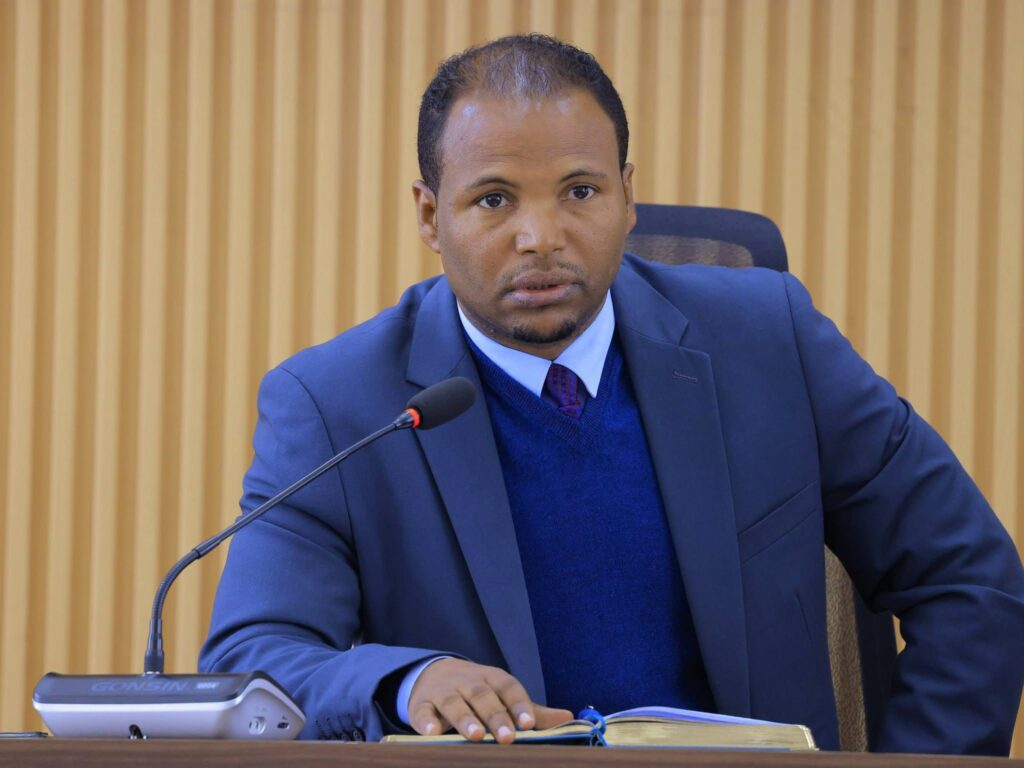
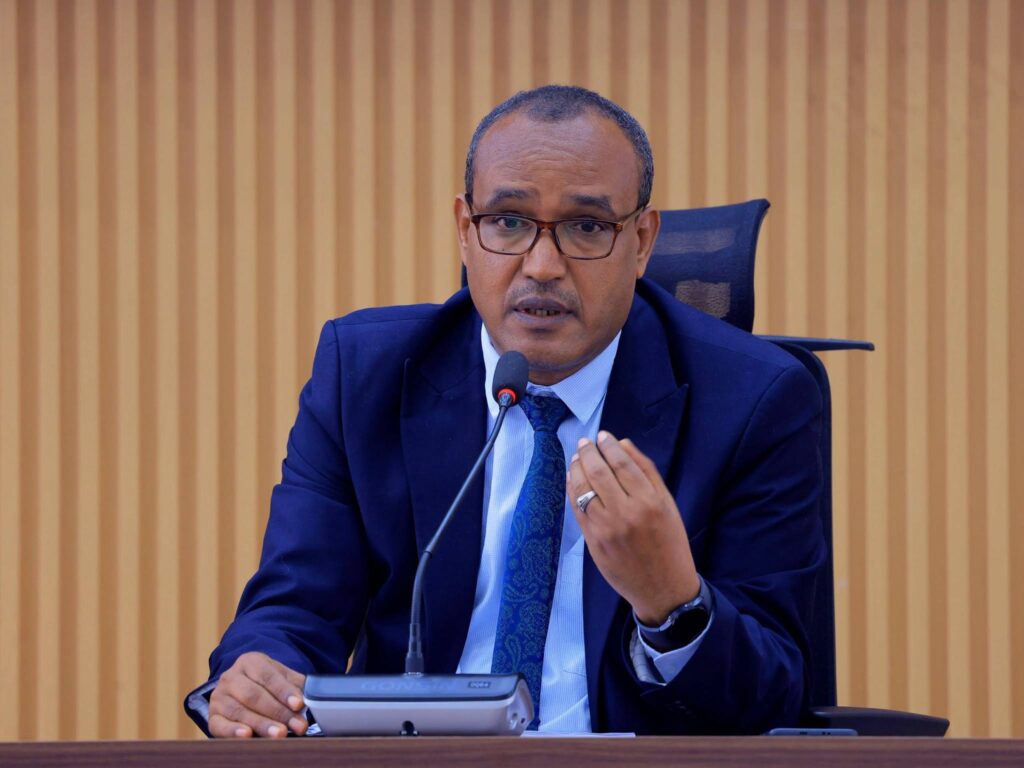
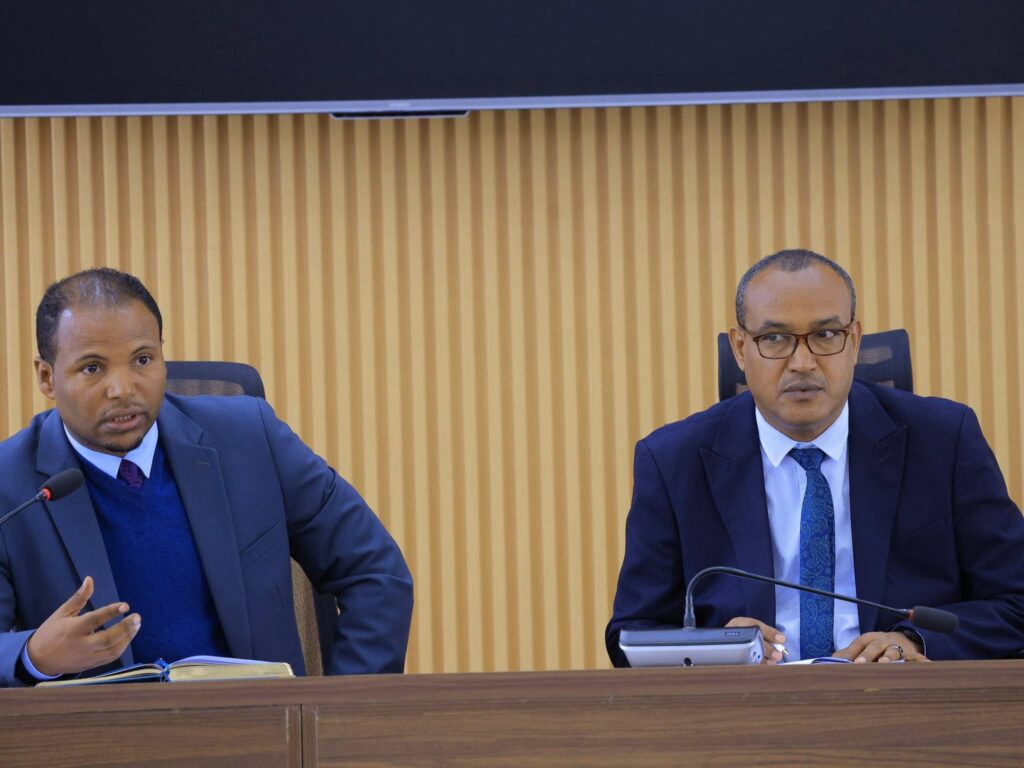
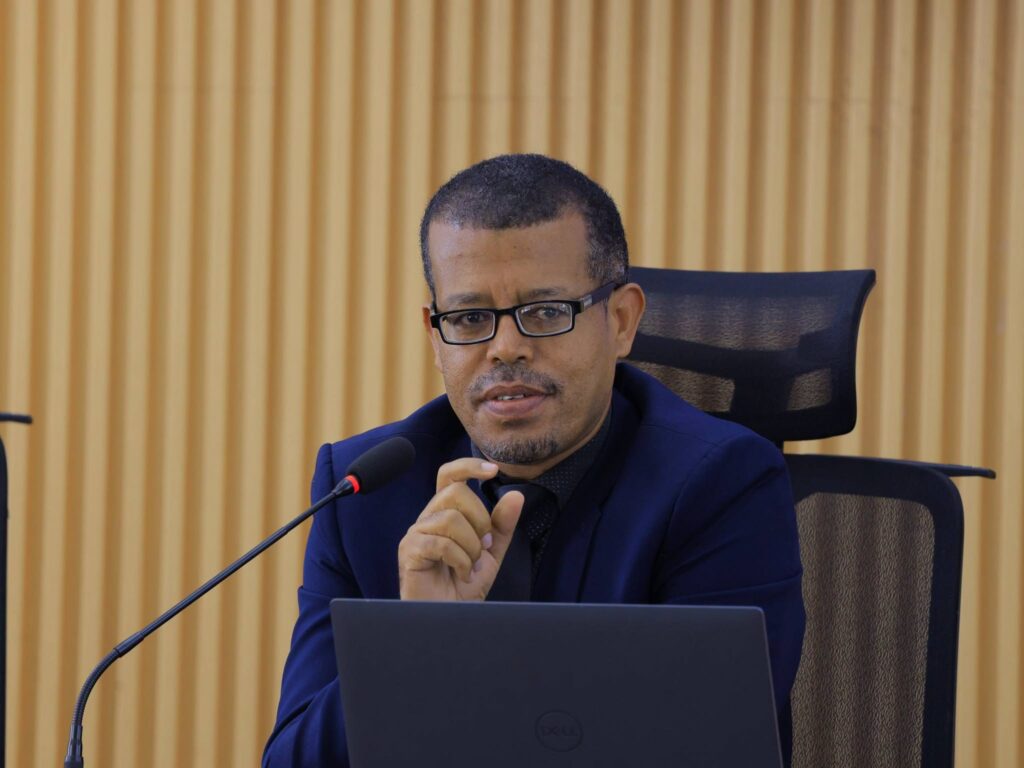
The Amhara Region Supreme Court held a review and discussion forum on the performance of the region’s courts during the 2018 budget year and the priority areas for the upcoming 2019 budget year.
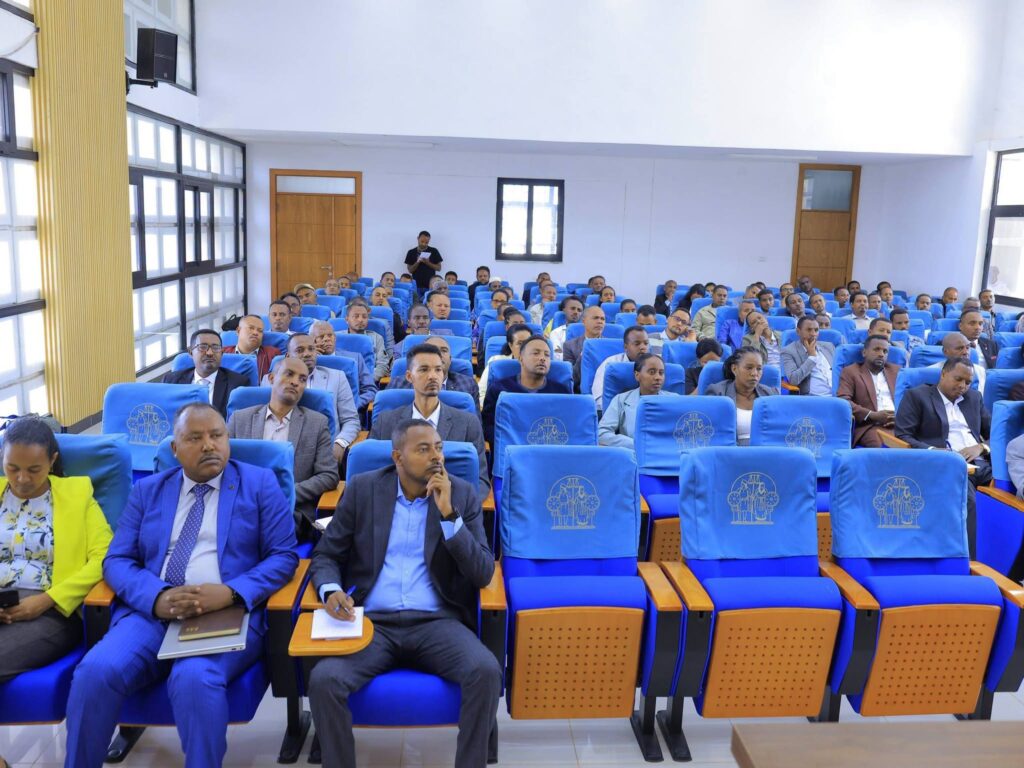
The forum brought together leaders and judges of the Supreme Court, presidents of the High Courts, as well as coordinators and judges from all divisions of the Supreme Court.
During the forum, detailed presentations were made on the implementation of the courts’ 2018 annual plan, the progress of digitalization initiatives, and the priority areas identified for the 2019 budget year. Participants subsequently held extensive discussions on the achievements registered, challenges encountered, and measures required to further improve the delivery of judicial services.
According to the report presented at the forum, the digitalization of the courts is aimed at providing judicial services that are accessible, cost-effective, transparent, efficient, and accountable. The report indicated that the digitalization program is being implemented in three phases across the region’s courts.
The first and second phases of the digitalization program have already been completed, enabling implementation at the Supreme Court, all High Courts, 27 Woreda Courts, and two correctional facilities.
The report further noted that the courts’ network is being used exclusively for the digital judicial system in order to ensure the security and confidentiality of judicial information.
A system has also been established that enables the President of the Supreme Court to monitor the operations of zonal High Courts and woreda Courts from the President’s office.
A number of modern judicial service platforms and digital solutions have also been introduced and put into operation. These include Smart Court, e-Filing, transcription services, a mobile application, a court website, digital signatures, a Digital One-Stop Center, and a call center service.
The report indicated that the implementation of the 2018 annual plan had resulted in significant improvements in the quality and efficiency of judicial services, describing the progress as an indication of the continued improvement in the overall performance of the region’s courts.
The courts have also taken measures to reduce the financial burden on court users. By preparing various legal and court-related forms and making them available to litigants free of charge, the courts have enabled service users to save more than 209 million birr in expenses they would otherwise have incurred.
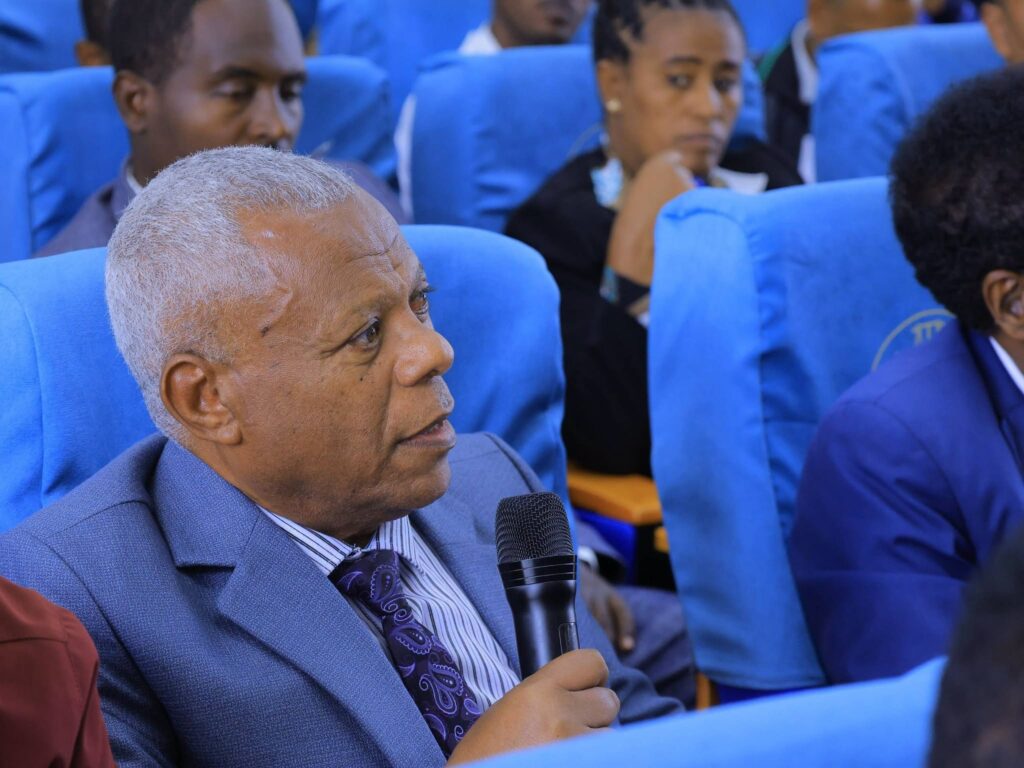
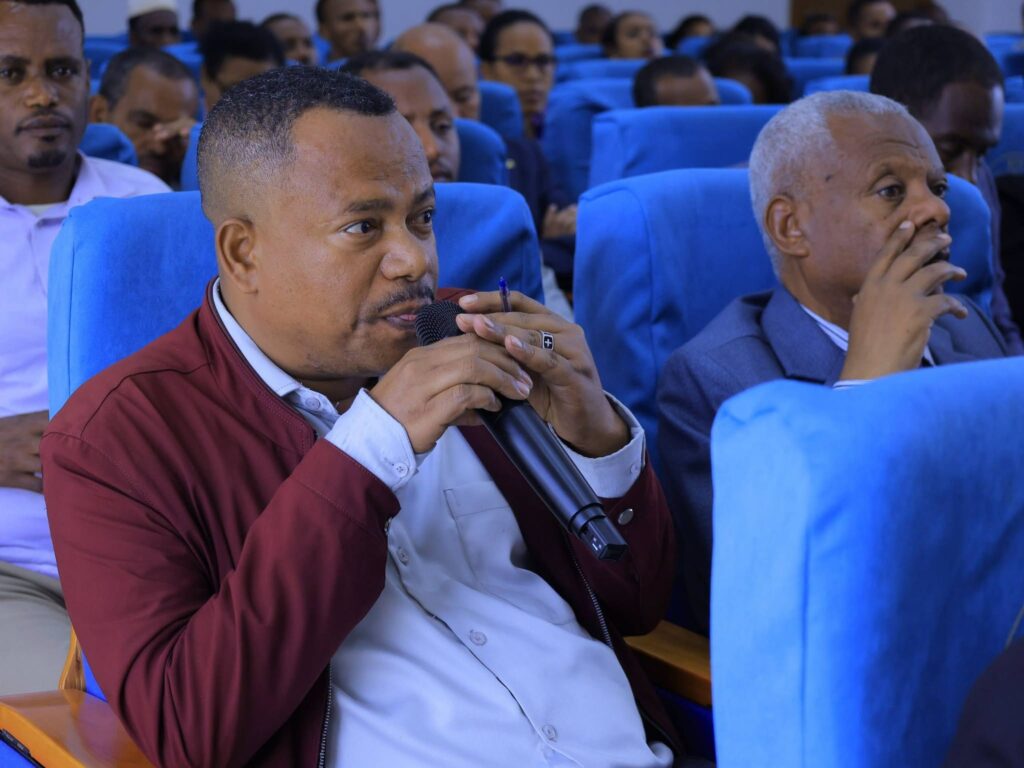
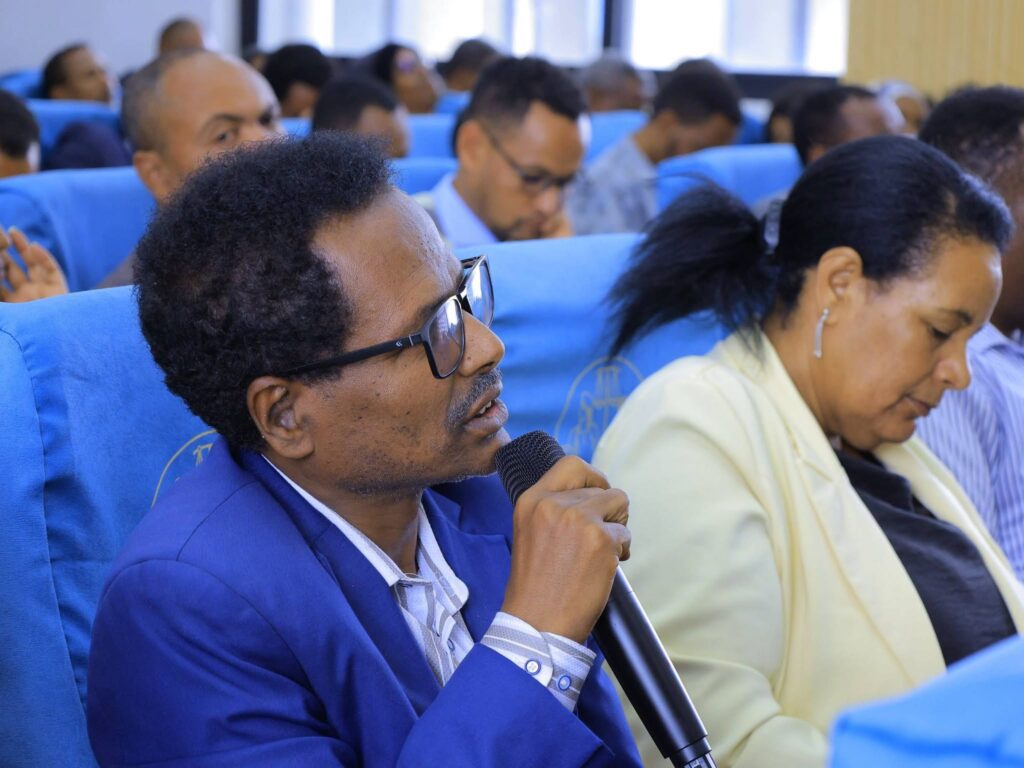
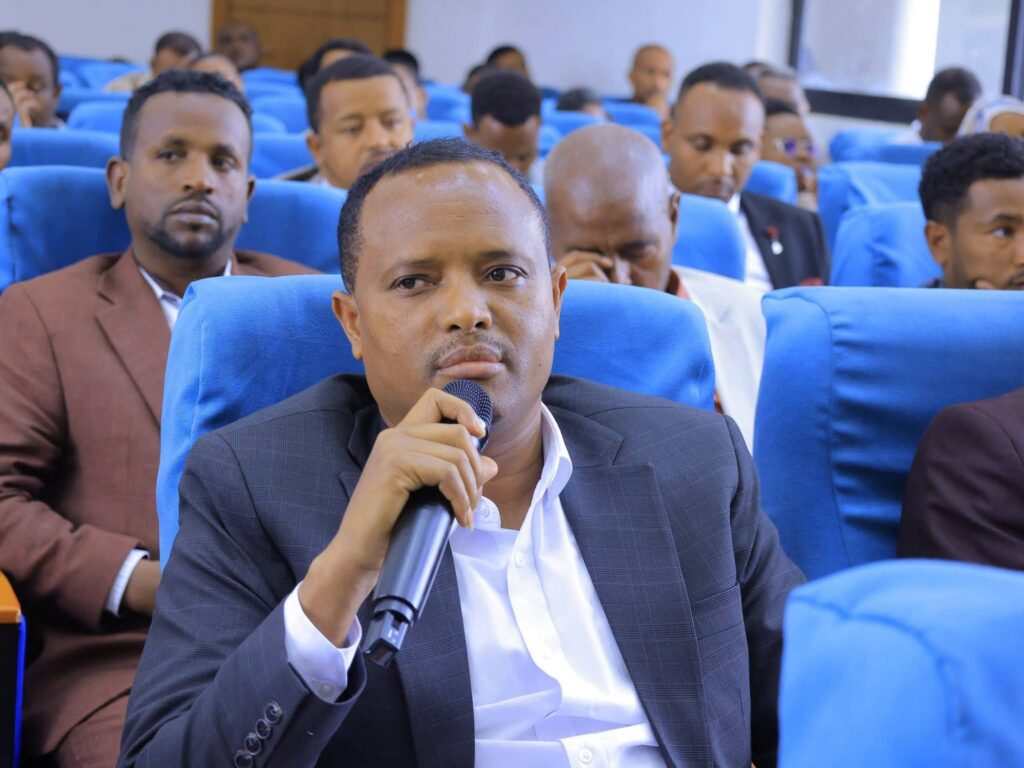
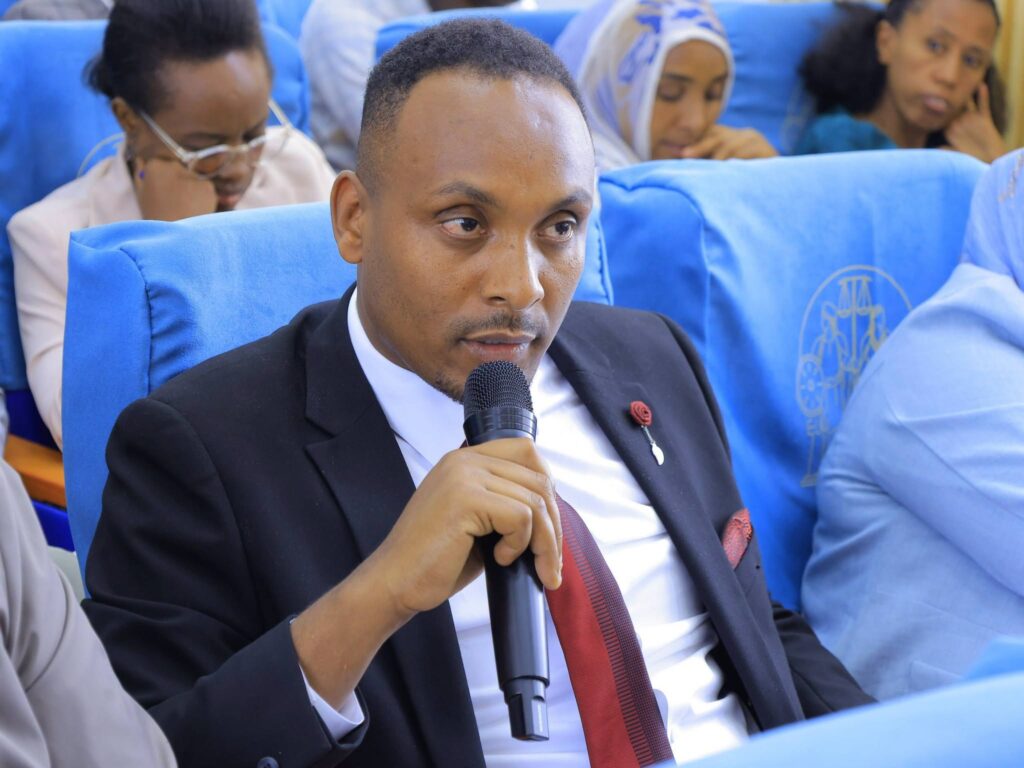
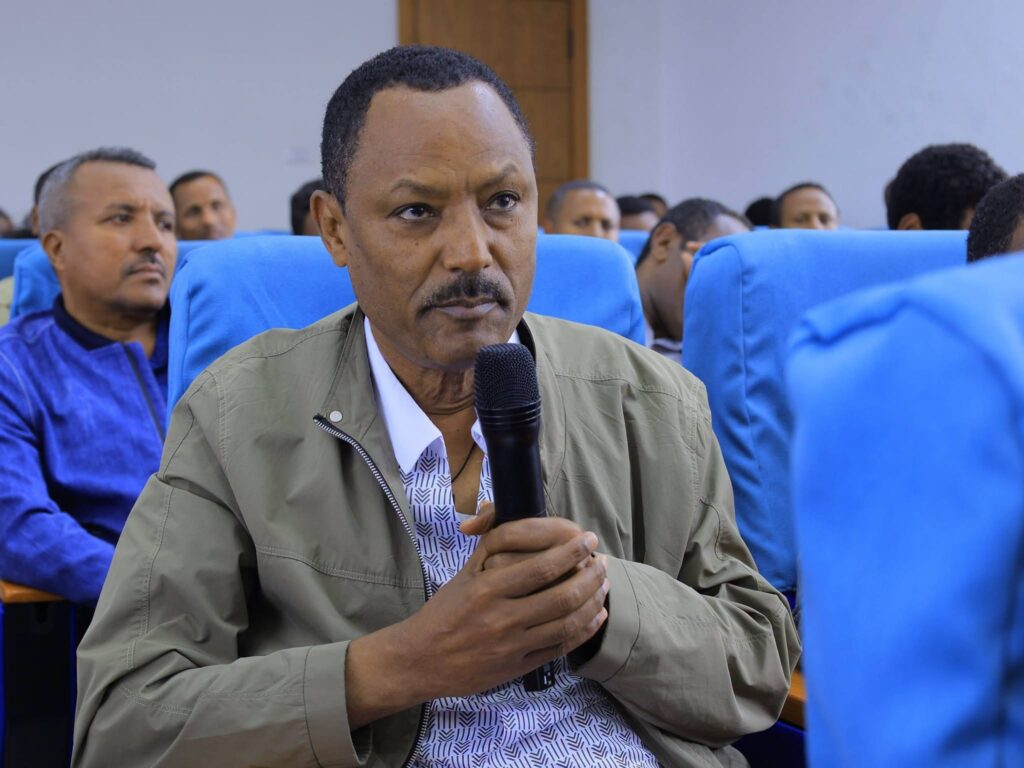
Building on the performance report and the initial plans for the coming budget year, court leaders, presidents of the High Courts, division coordinators, and judges engaged in extensive discussions on the performance of the 2018 budget year, the priority areas for 2019, and the actions required to transform courts at all levels into centers of high-quality and efficient judicial service delivery.
Participants noted that the reforms and initiatives launched by the Supreme Court and implemented across courts at different levels have produced visible and tangible changes. They also provided recommendations and constructive feedback on areas they believed required further improvement.
Participants particularly highlighted the importance of strengthening the expansion of digital infrastructure, creating conducive working environments in courts at all levels, and continuing regular judicial forums, short- and long-term training programs, experience-sharing activities, and other institutional practices aimed at enhancing the capacity and performance of judges.
They emphasized that these initiatives have contributed significantly to the improved performance of the region’s courts and should therefore be further strengthened and sustained.
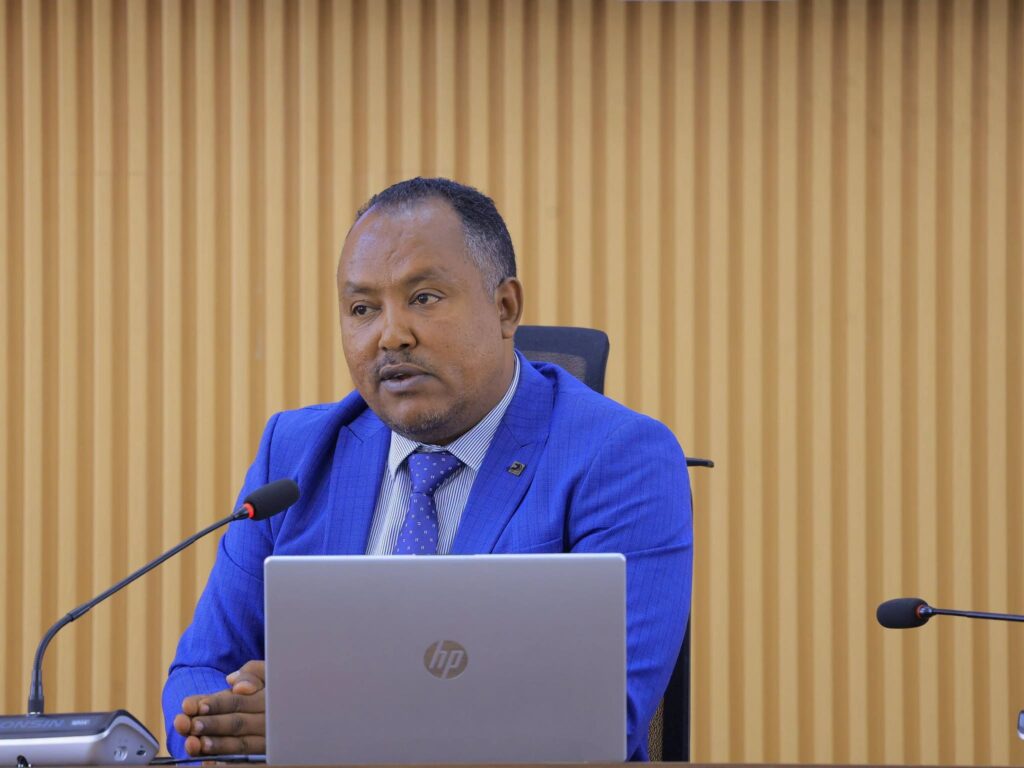
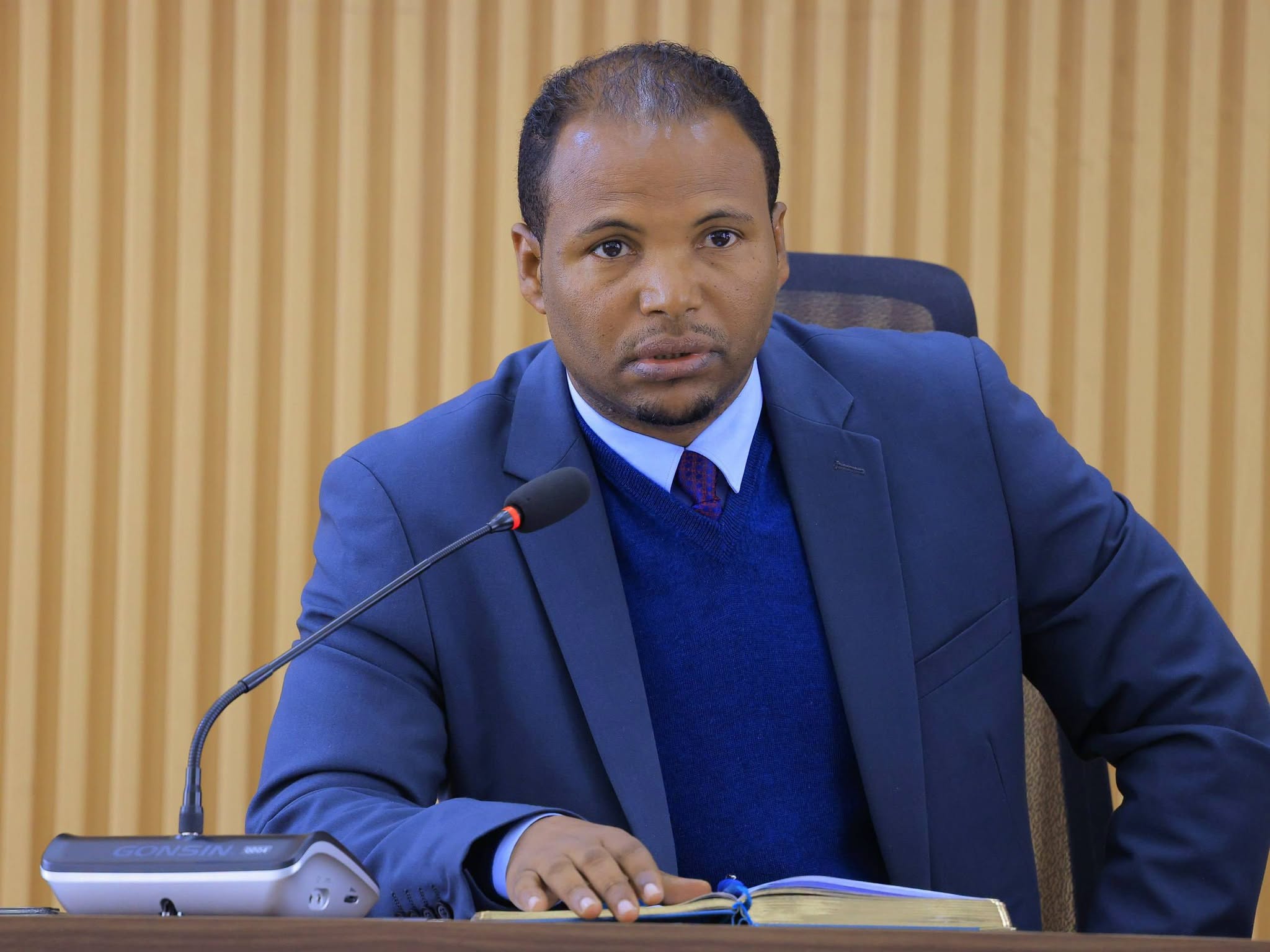
Responding to questions and comments raised by participants, President of the Amhara Region Supreme Court, H.E. Ato Alemante Agidew, said that the positive initiatives already underway would be strengthened and continued, while the challenges identified during the discussion would be addressed progressively.
Honorable President Alemante stressed the importance of fulfilling the responsibility and trust entrusted to the judiciary by the public, the government, and the Constitution.
“We must turn our plans into reality by fulfilling, with integrity, the responsibility and trust entrusted to us by society, the government, and the Constitution, and build judicial institutions that are exemplary in their service delivery and worthy of the public’s trust,” he said.
The forum concluded with a renewed commitment to consolidate the reforms already underway, address existing challenges, and further improve the quality, accessibility, efficiency, and public confidence in judicial services across the Amhara Region.