

Bahir Dar, November 20, 2026 (Amhara Region Supreme Court)
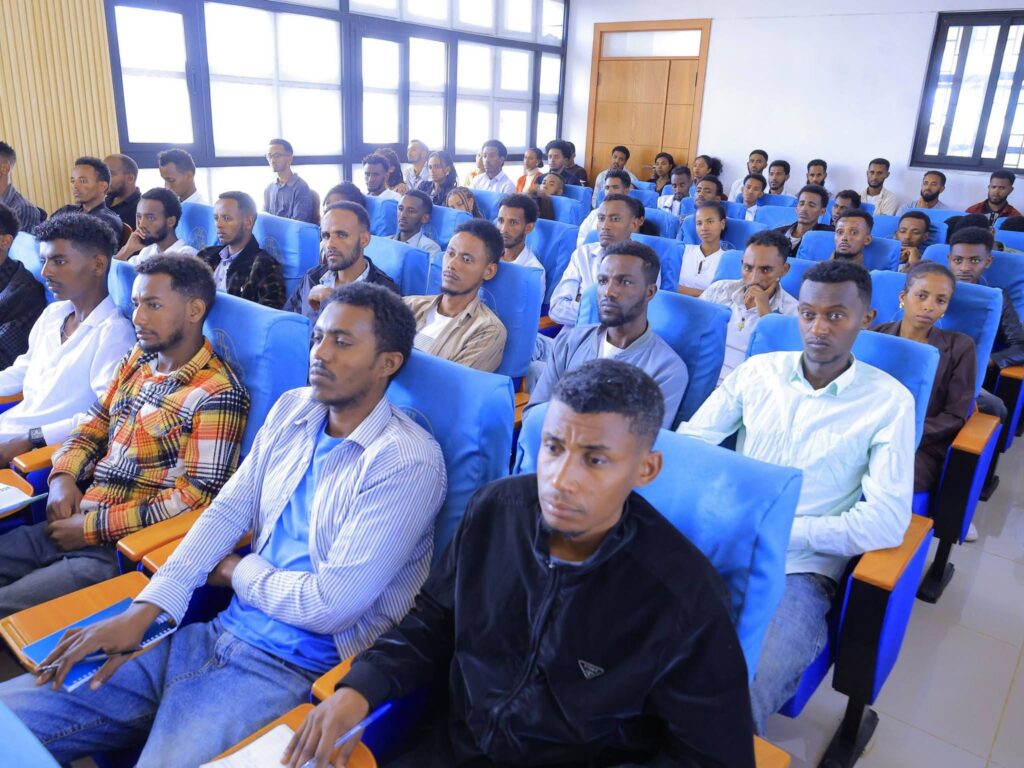
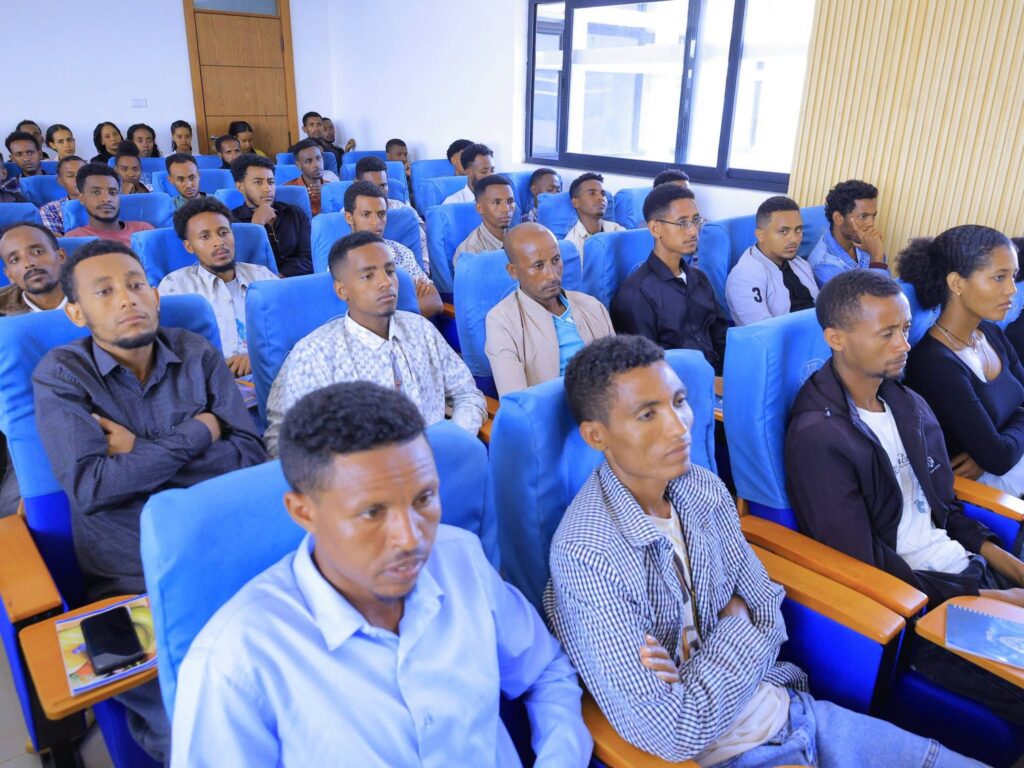
The Amhara Region Supreme Court is providing professional orientation to prospective judges who are set to join courts at various levels across the region. The orientation covers court operations, service delivery, institutional mandates, and other key aspects of the administration of justice.
The professional orientation training, which commenced on November 21, 2026, continued today with presentations on various topics. The morning session featured briefings on the Amhara Region Courts’ Five-Year Strategic Plan and the 2018 Fiscal Year performance report, the implementation process of customary courts in the region, and the Communication Strategy of the Amhara Region Courts.
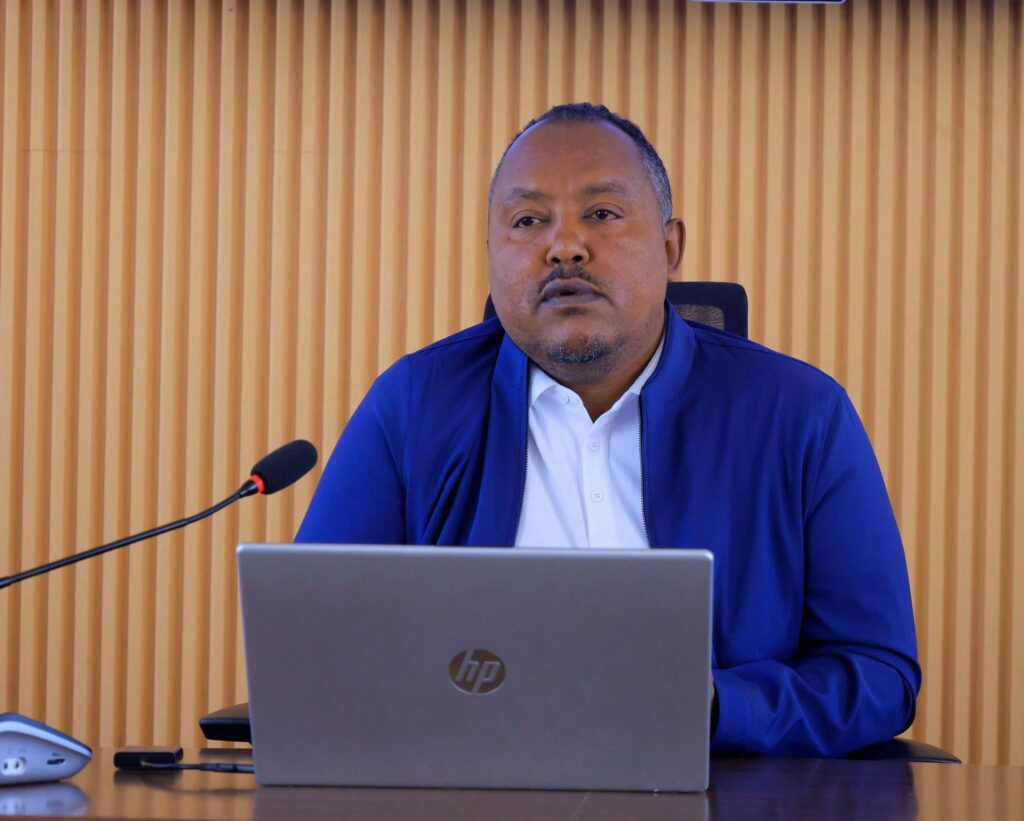
The Strategic affairs Director of the Amhara Region Supreme Court, Mr. Ferew Tadesse, delivered a presentation on the Courts’ Strategic Plan and the performance report for the 2018 Fiscal Year.
Meanwhile, Mr. Yemam Seid, Head of the Secretariat of the Amhara Region Customary Courts Advisory Council, provided a detailed briefing on the implementation of customary courts in the region. Mr. Getnet Alamir, Deputy Director of Communications at the Supreme Court, also presented the Communication Strategy of the Amhara Region Courts.
In his presentation, Mr. Ferew Tadesse elaborated on the background, rationale, and priority areas of the Courts’ Strategic Plan, which is set to be implemented from the 2018 to 2022 Fiscal Years. He also explained in detail the situational analyses undertaken to inform the development of the plan.
He noted that the strategic plan was developed by taking into account the region’s and the country's social, political, and economic conditions, as well as global technological developments. It also considers the institution's human resource and technological capacities, alongside the public's growing demand for improved, timely, and efficient judicial services.
Emphasizing the significant responsibility of court leaders, judges, and staff at all levels in ensuring the effective implementation of the plan, Mr. Ferew underscored that prospective judges joining the judicial profession must also discharge their responsibilities with strong commitment, dedication, and a spirit of public service.
For his part, Mr. Yemam Seid stated that efforts are underway to establish customary courts in more than 4,000 kebeles across the region. He provided a comprehensive overview of the studies and consultations conducted to identify existing customary justice institutions, the processes involved in drafting the relevant proclamation, and the activities undertaken following its enactment. These included the selection of customary court elders in various kebeles, the preparation of court facilities, the training of customary court elders, and other subsequent implementation plans.
In his presentation on the Courts’ Communication Strategy, Mr. Getnet Alamir, Deputy Director of Communications at the Amhara Region Supreme Court, highlighted the importance of the strategy and the responsibility of prospective judges in supporting its implementation. He also addressed responsible social media use, the role of judges in strengthening the institution's public image, and the identity and proper application of the Amhara Region Courts’ brand as a key institutional identity.
During the afternoon session of the second day of the orientation, Dr. Mekuanent Ageahu, ICT Advisor to the President of the Amhara Region Supreme Court, briefed the prospective judges on the progress of digital infrastructure development across the region's courts.
In his presentation, Dr. Mekuanent provided an extensive overview of the initiatives already undertaken to transform the Amhara Region Courts into modern, technology-enabled centers of justice delivery. He also outlined future plans aimed at transforming all courts across the region into fully digital judicial service centers.
The professional orientation program was designed to equip prospective judges with a comprehensive understanding of the objectives, mission, vision, and service delivery processes of the Amhara Region Courts, enabling them to effectively discharge their respective responsibilities.