

Bahir Dar, November 20, 2026 (Amhara Region Supreme Court)
As part of its ongoing efforts to ensure the continuity of the comprehensive reforms and improvements underway in the judicial system, the Amhara Region Supreme Court is implementing a range of initiatives aimed at equipping judges across the region with advanced professional skills and ethical standards, enabling them to discharge their responsibilities and serve court users with a high level of professionalism.
In addition to providing short- and long-term educational and training opportunities to enhance judges' professional competencies and ethical standards, the Supreme Court has also been undertaking various capacity-building initiatives, including regular professional discussion forums for judges.
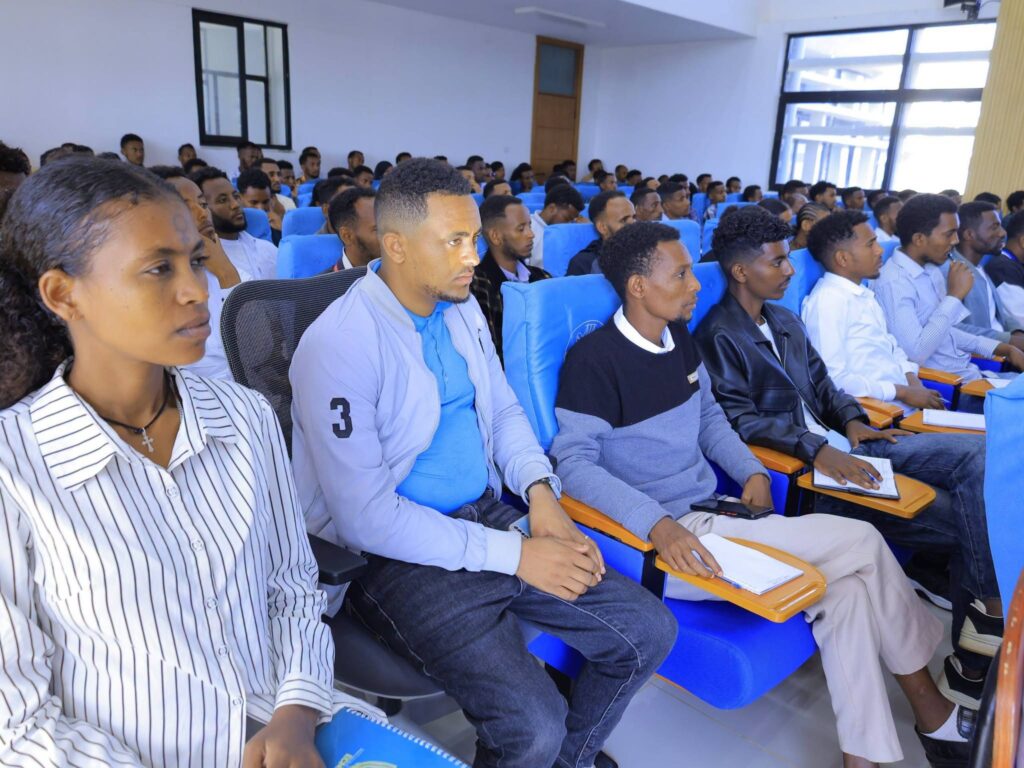
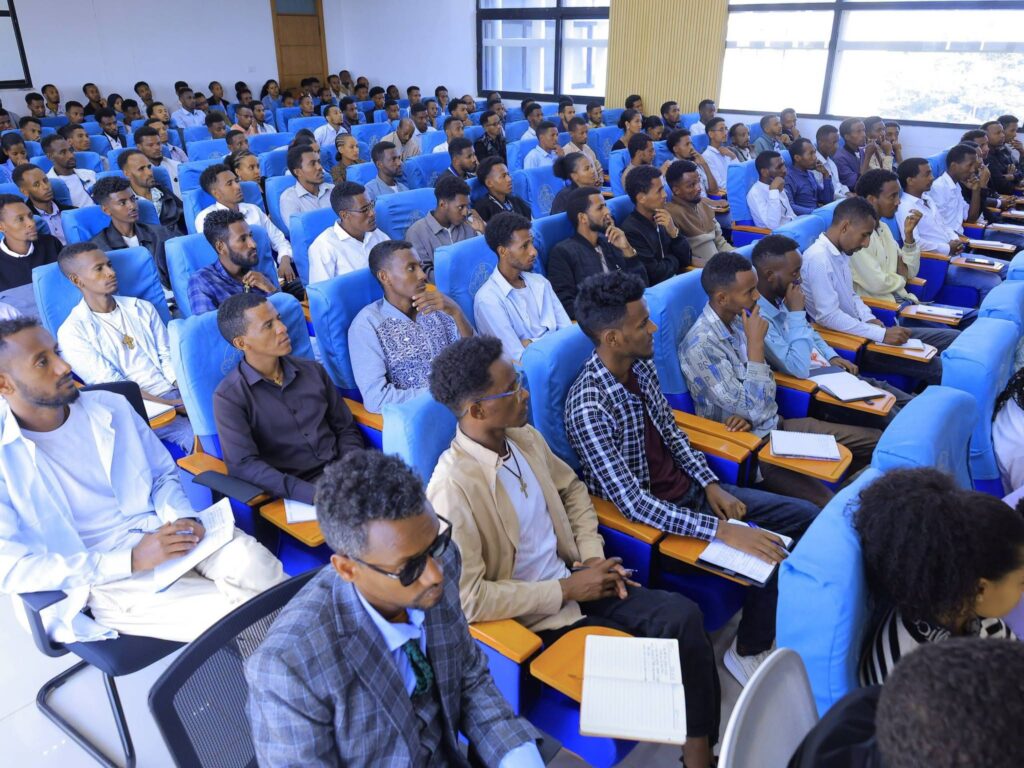
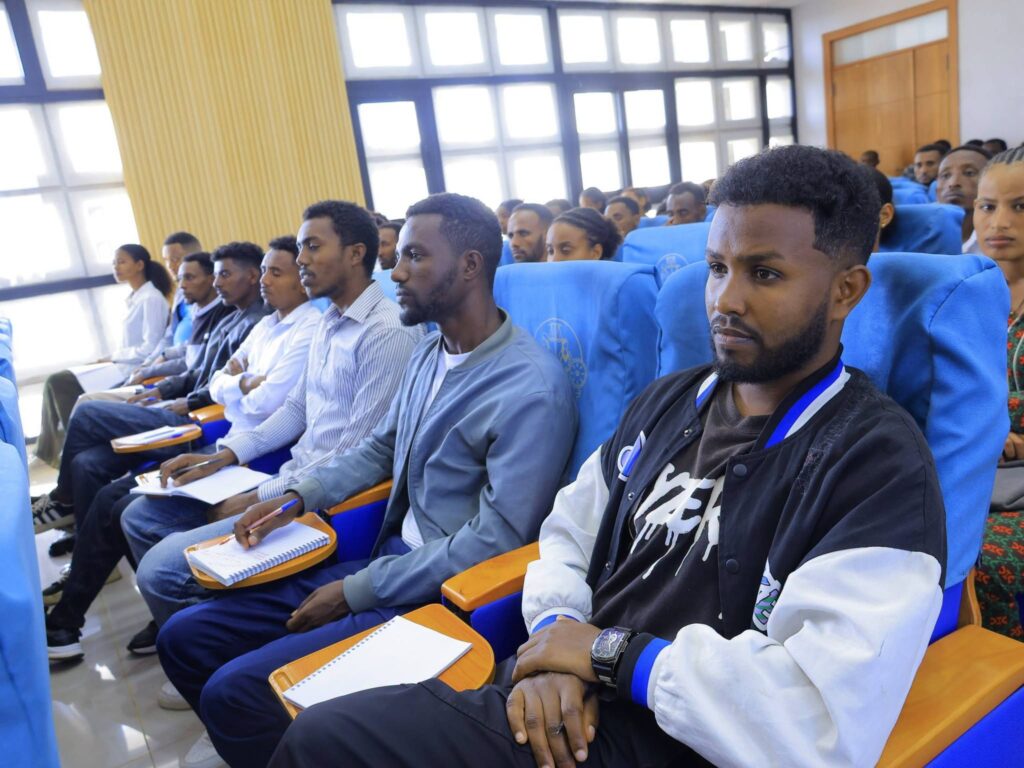
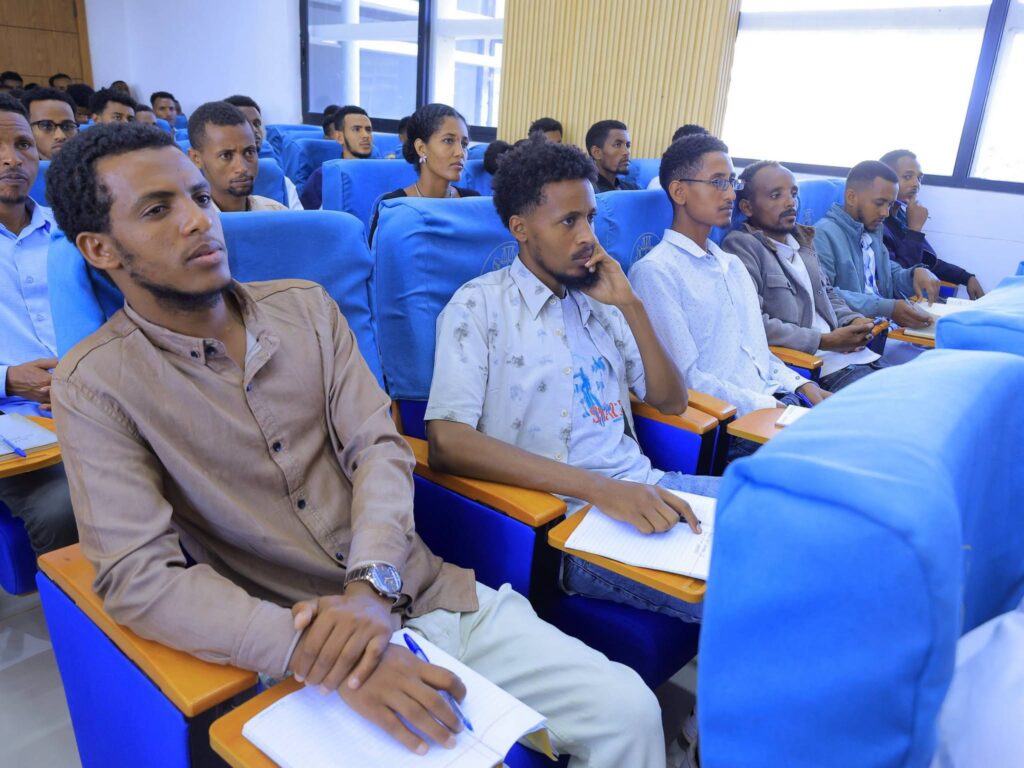
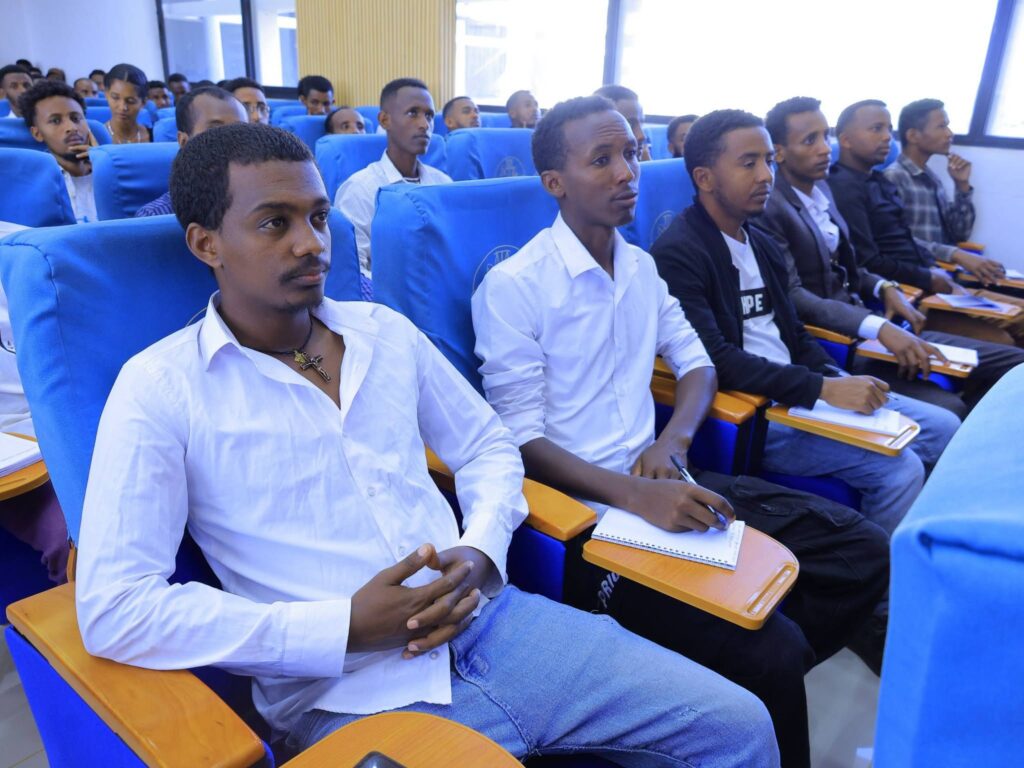
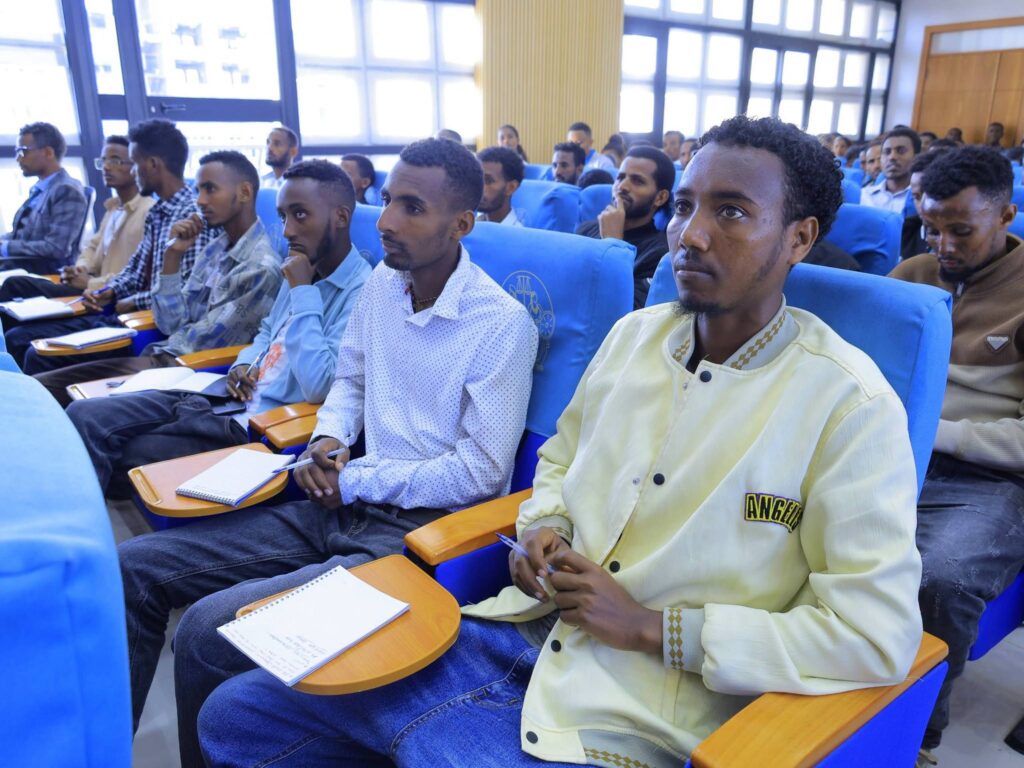
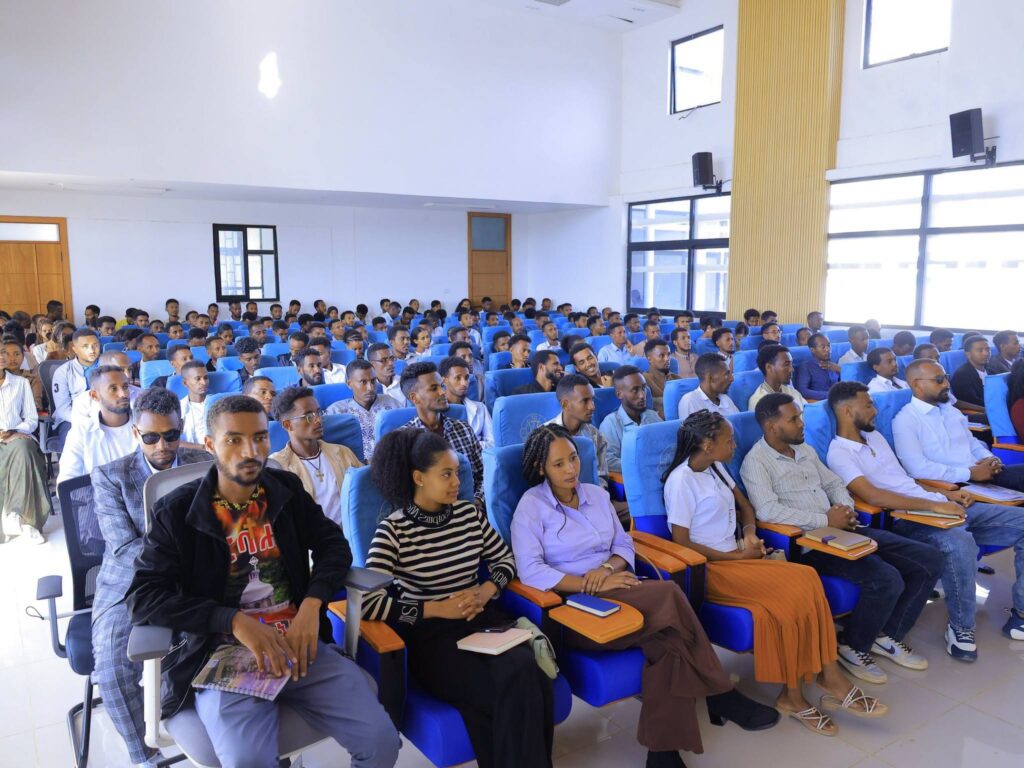
As part of these efforts, the Supreme Court has begun providing professional orientation training to candidate judges to be assigned to various courts across the region, ahead of their commencement of judicial duties.
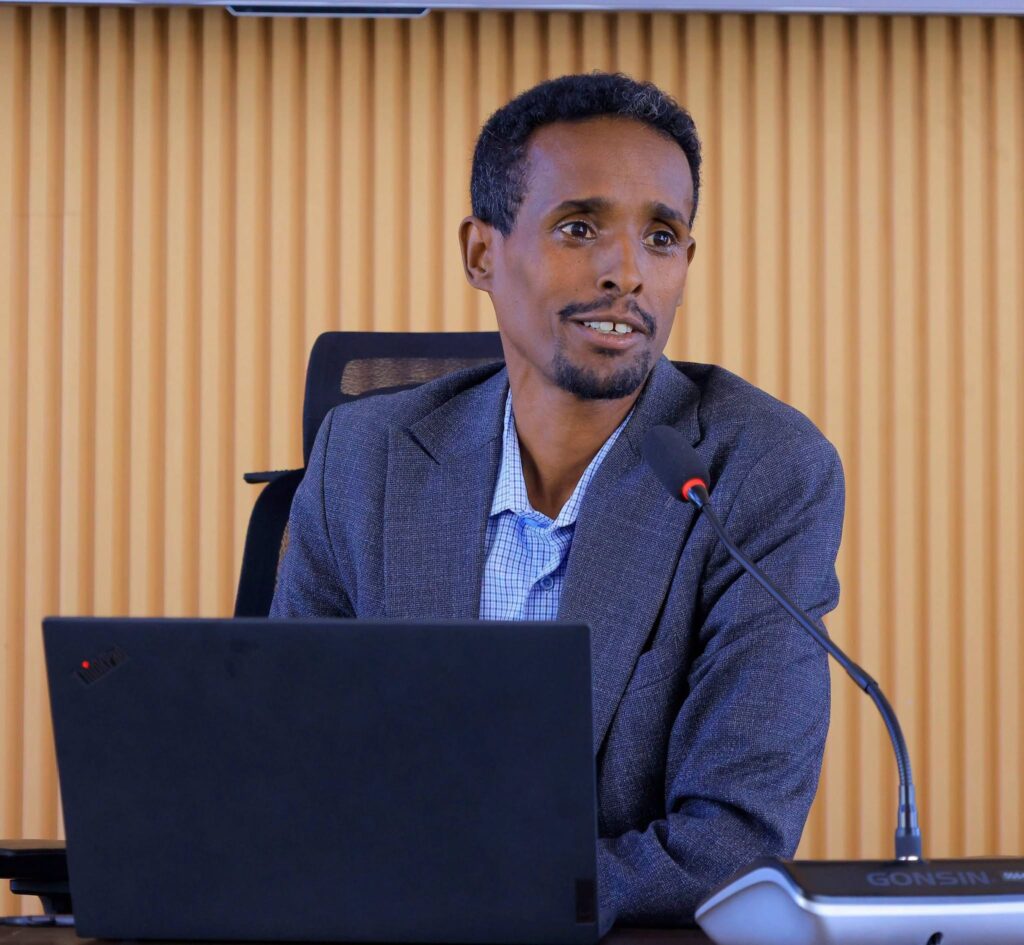
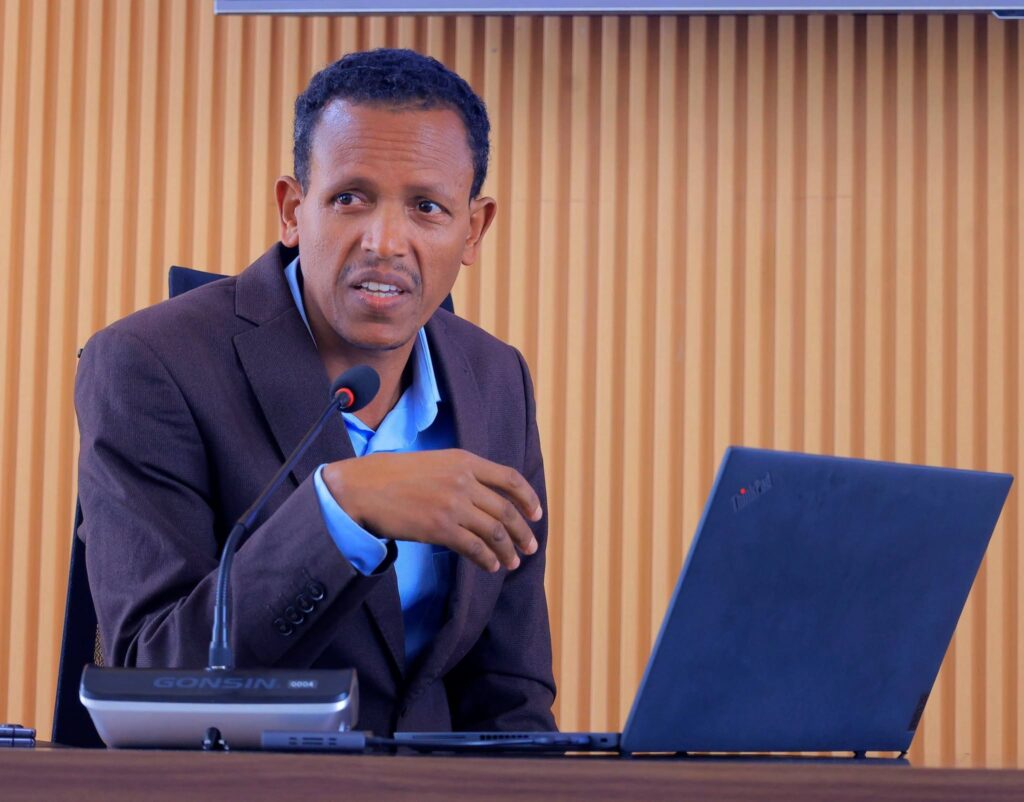
The candidate judges have received practical training on various judicial procedures and responsibilities they are likely to encounter in the course of their day-to-day duties. The training has been delivered by senior judges and officials of the Supreme Court.
During the first day of the orientation program, detailed presentations and explanations were provided on case-flow management, courtroom procedures and guidelines, court user service and handling, hearing cases and identifying issues for determination, as well as judgment writing. The sessions also incorporated practical courtroom scenarios and experiences to help participants better understand the application of the relevant guidelines and procedures in actual judicial proceedings.
Biniyam Yohannes, Advisor to the President of the Amhara Region Supreme Court, delivered training on case-flow management and courtroom procedures and guidelines. Meanwhile, Worku Yaze (Assistant Professor), Special Advisor to the President of the Supreme Court, provided detailed explanations on court user service and handling, hearing cases, and identifying and managing issues for determination, highlighting the responsibilities and practical considerations candidate judges should observe upon assuming their judicial duties.
In the afternoon session, Honorable Judge Abraham Belete, Judge of the Amhara Region Supreme Court and Director of Knowledge Management and Legal Research, delivered an in-depth presentation on the principles and practices of judgment writing.