
Bahir Dar, November 24, 2026 (Amhara Region Supreme Court)
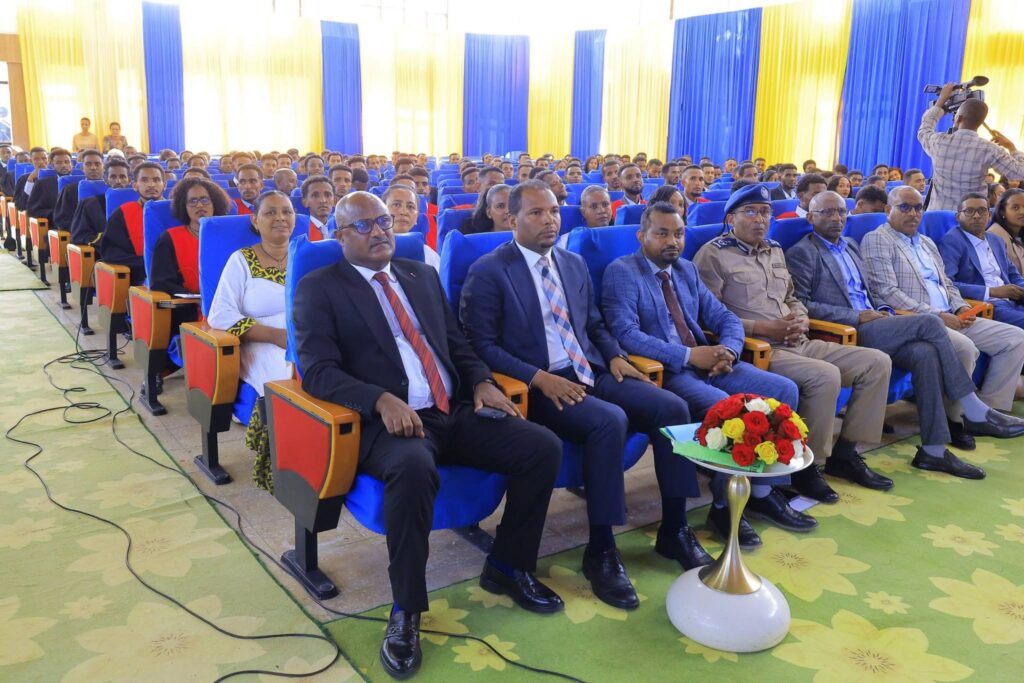
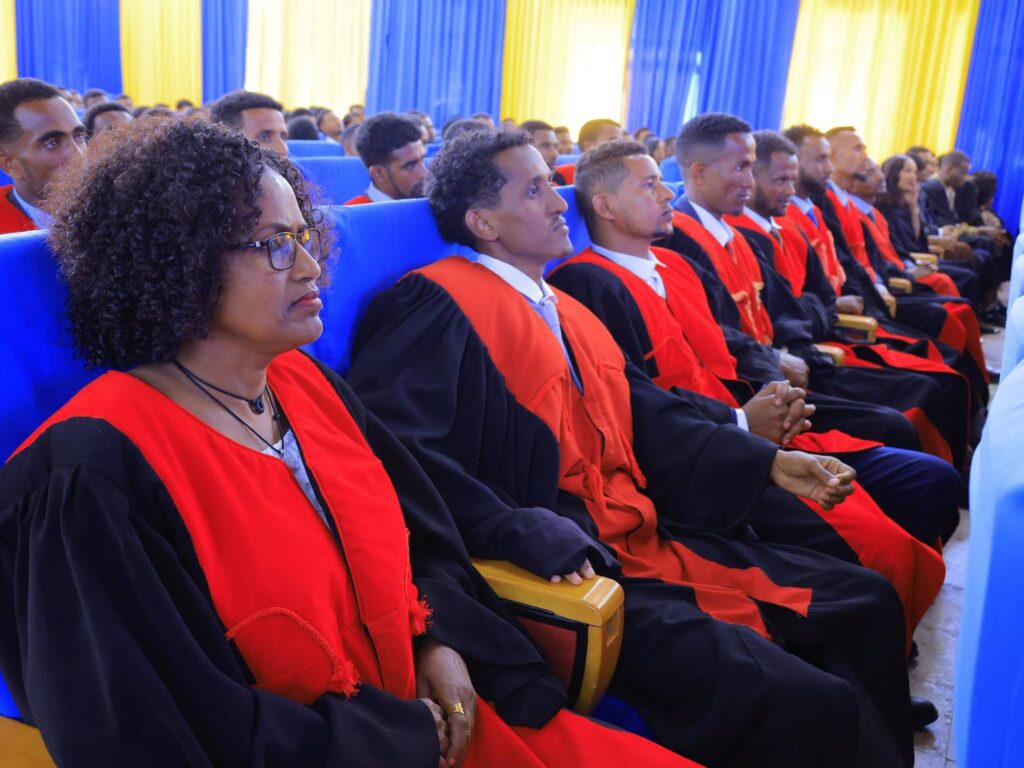
The Amhara Region Justice and Law Institute has graduated trainee judges and public prosecutors who completed its 18th round of pre-service training.
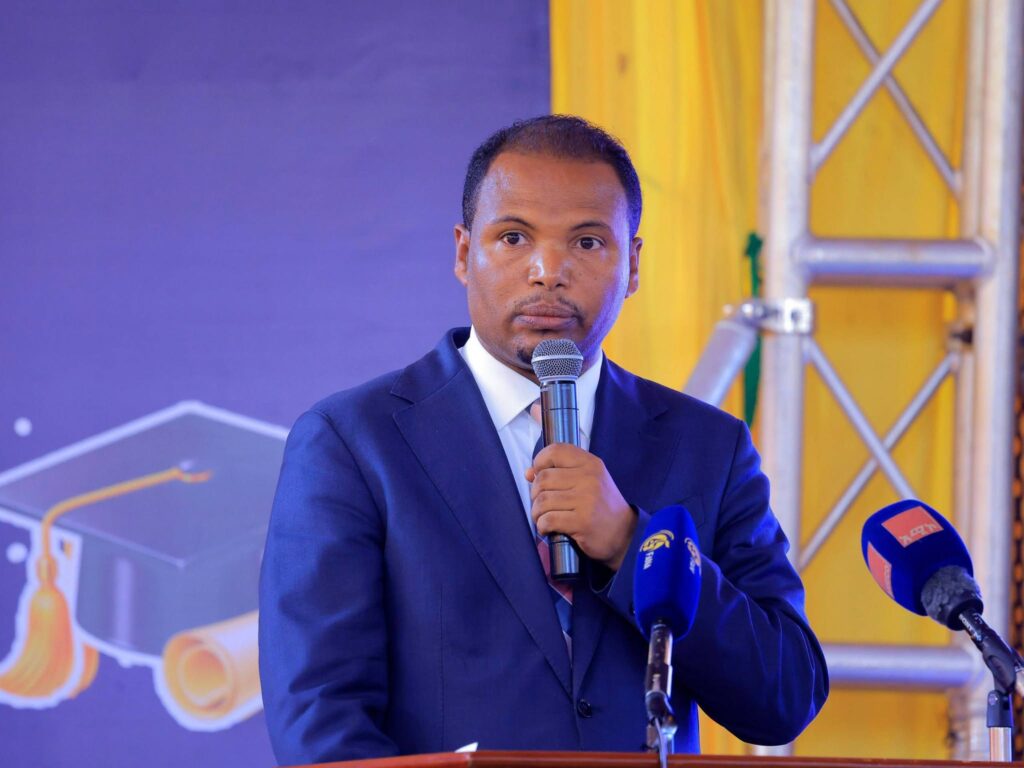
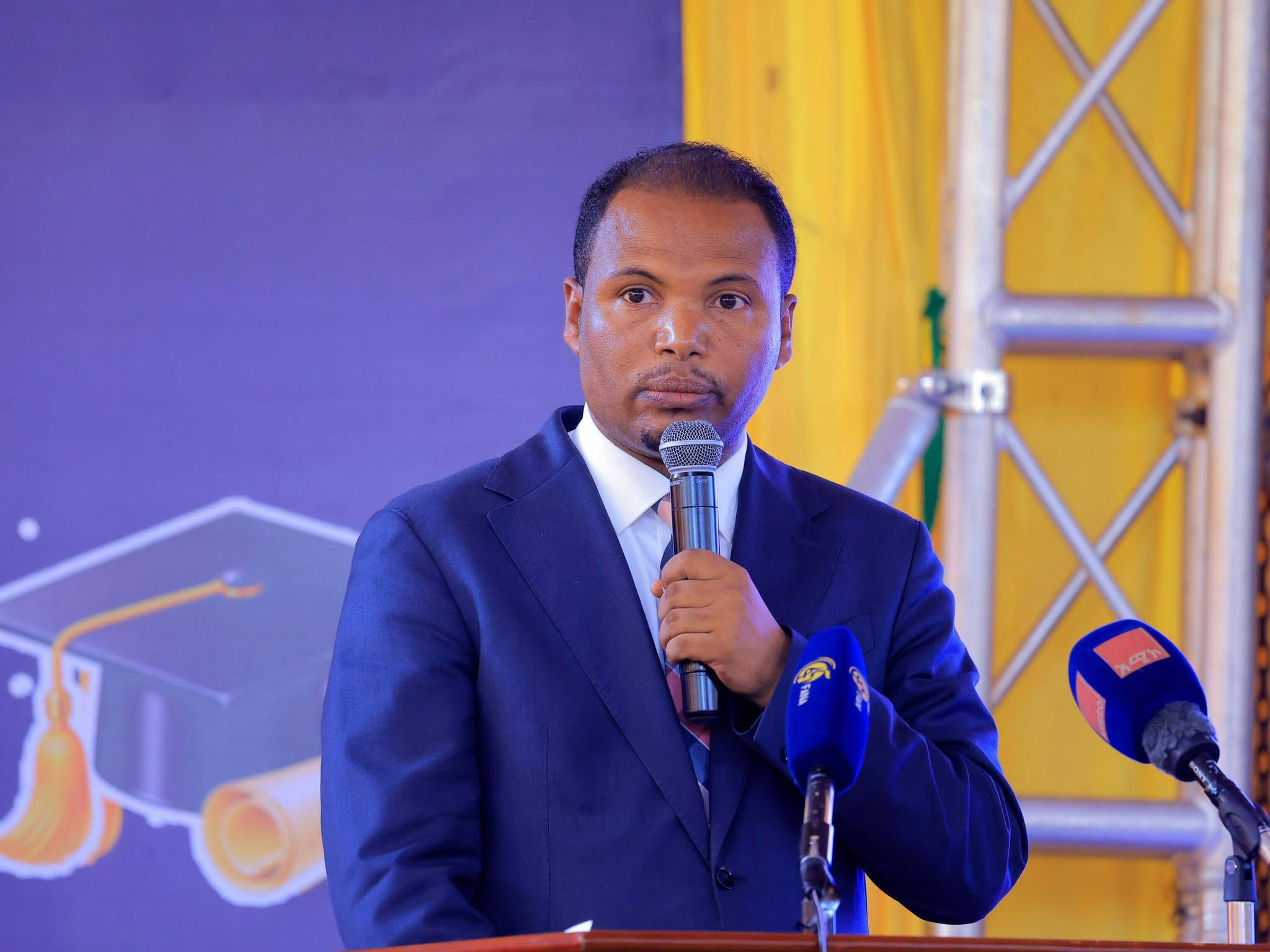
Addressing the graduation ceremony, H.E. Ato Alemante Agidew, President of the Amhara Region Supreme Court and Chairperson of the Institute’s Board, who presided over the graduation and provided professional guidance to the graduates, emphasized that the administration of justice must be grounded in ethical conduct, integrity, and a clear conscience, free from corruption, nepotism, and discrimination.
In his remarks, H.E. Ato Alemante underscored that the professions of judges and public prosecutors extend beyond safeguarding citizens’ human dignity, rights, and freedoms. They also play a fundamental role in upholding the rule of law, strengthening government legitimacy, and advancing state-building.
He noted that the credibility and institutional strength of the justice sector derive from public trust and the highest standards of professional ethics and moral integrity. Accordingly, he stressed that every decision made in courtrooms and public prosecutors’ offices must serve to build citizens’ confidence, uphold the law, and reinforce the foundations of the state system.
He further explained that the dignity of the judicial profession lies in safeguarding the balance of justice through impartiality and independence. Judges, he emphasized, must not align themselves with any particular party or interest but must remain committed to the law and the truth.
Similarly, he stated that public prosecutors have responsibilities beyond bringing offenders to justice. They must also safeguard innocent citizens from unjust prosecution and discharge their professional duties in a manner that ensures justice prevails.
Noting that the Institute has been undertaking various reforms since its reorganization under Proclamation No. 299/2017 E.C., in line with the strategic directions set by its Board, the Supreme Court President highlighted ongoing efforts to improve the relevance and quality of pre-service training and produce competent human resources for the judiciary and the broader justice sector.
He explained that during their training at the Institute, the graduates had the opportunity to strengthen the foundational knowledge and skills acquired at university while developing additional professional knowledge, practical competencies, and social skills through theoretical instruction and practical exercises.
He advised the graduates to complement their knowledge and skills with strong ethical values and make continuous professional development and self-improvement a lifelong responsibility.
Furthermore, to help the graduates effectively discharge the responsibilities expected of them as they enter their respective professions, H.E. Ato Alemante outlined four key professional directions.
These include upholding professional independence alongside accountability; delivering efficient and accessible justice services while safeguarding citizens’ dignity; maintaining the highest ethical standards and rejecting corruption and malpractice; and promoting the values of customary courts while continuously improving their knowledge through reading and lifelong learning.
Referring to the Region’s 25-Year Transformative Growth and Sustainable Development Roadmap, he noted that justice has been identified as a foundation for development and peace. He also emphasized that judicial independence should not be regarded as a special privilege of members of the legal profession but rather as a fundamental guarantee that enables every citizen to access justice equally.
In conclusion, he urged the graduates to embrace the core professional values of listening with humility, responding with wisdom, exercising sound judgment, and making decisions without bias. He called on them to become professionals who strengthen public trust and make meaningful contributions to the development of the Region’s judicial and justice system.