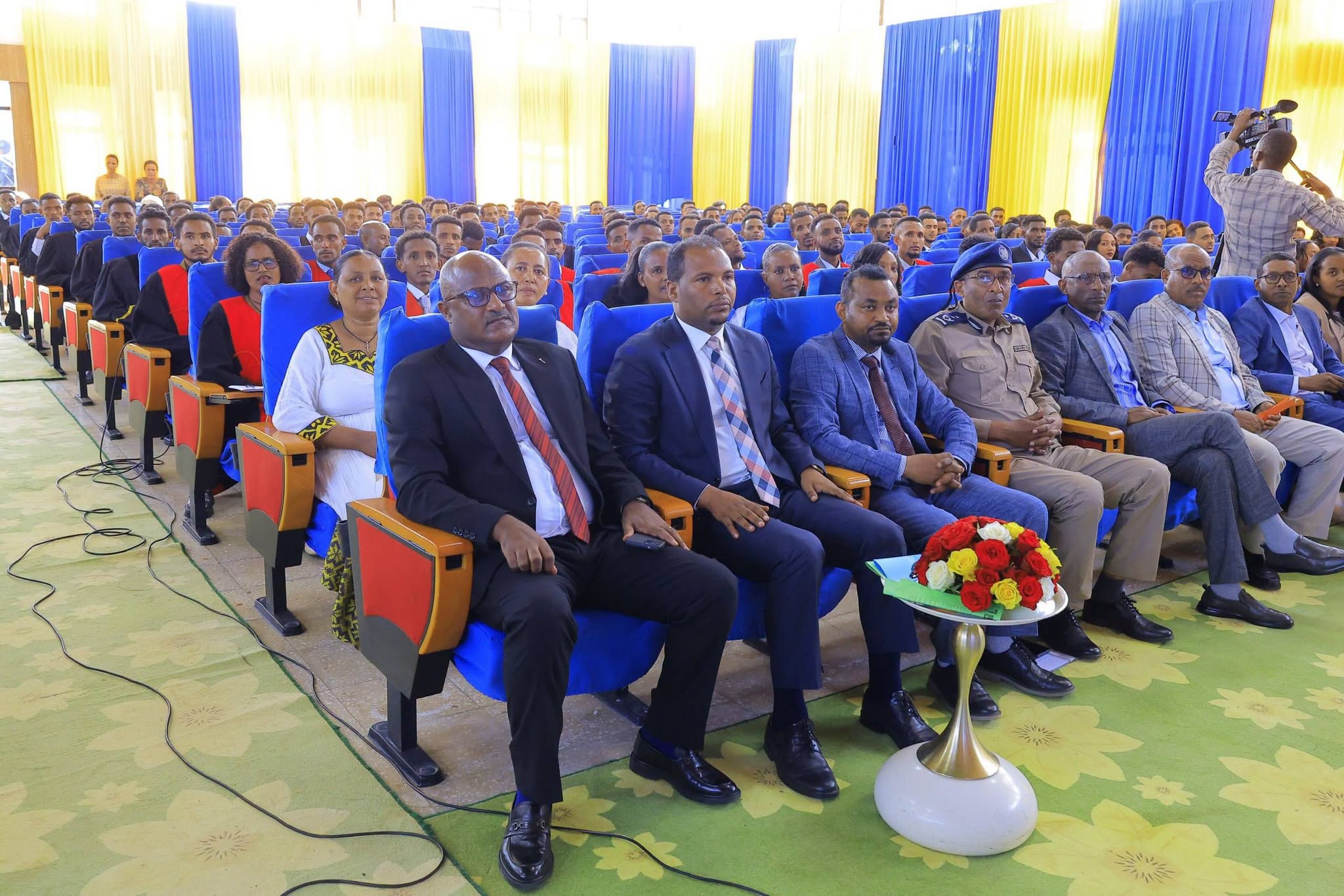

Bahir Dar, November 24, 2026 (Amhara Region Supreme Court)
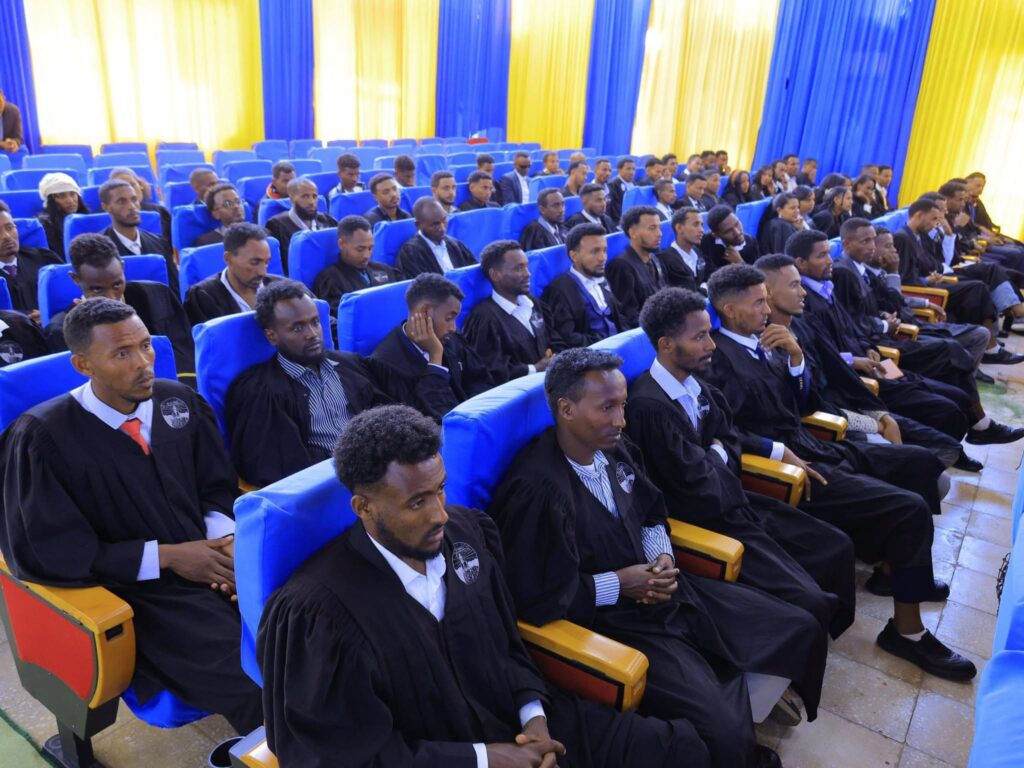
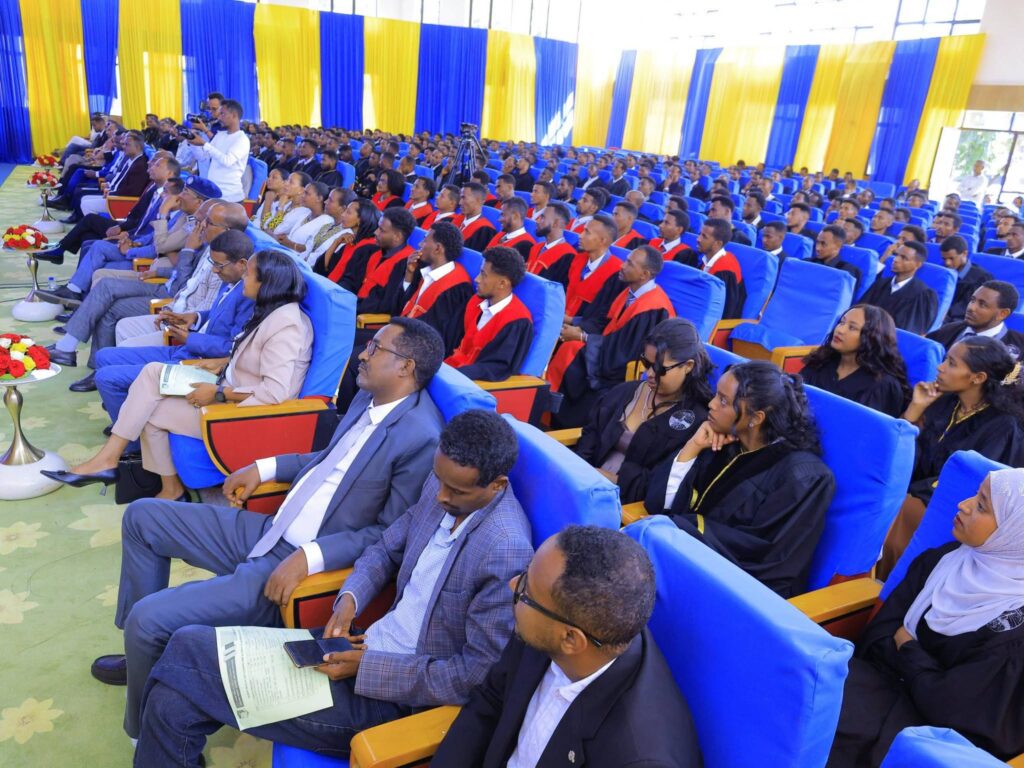
The Amhara Region Justice and Law Institute has graduated 289 prospective judges and public prosecutors who successfully completed its 18th round of pre-service training.
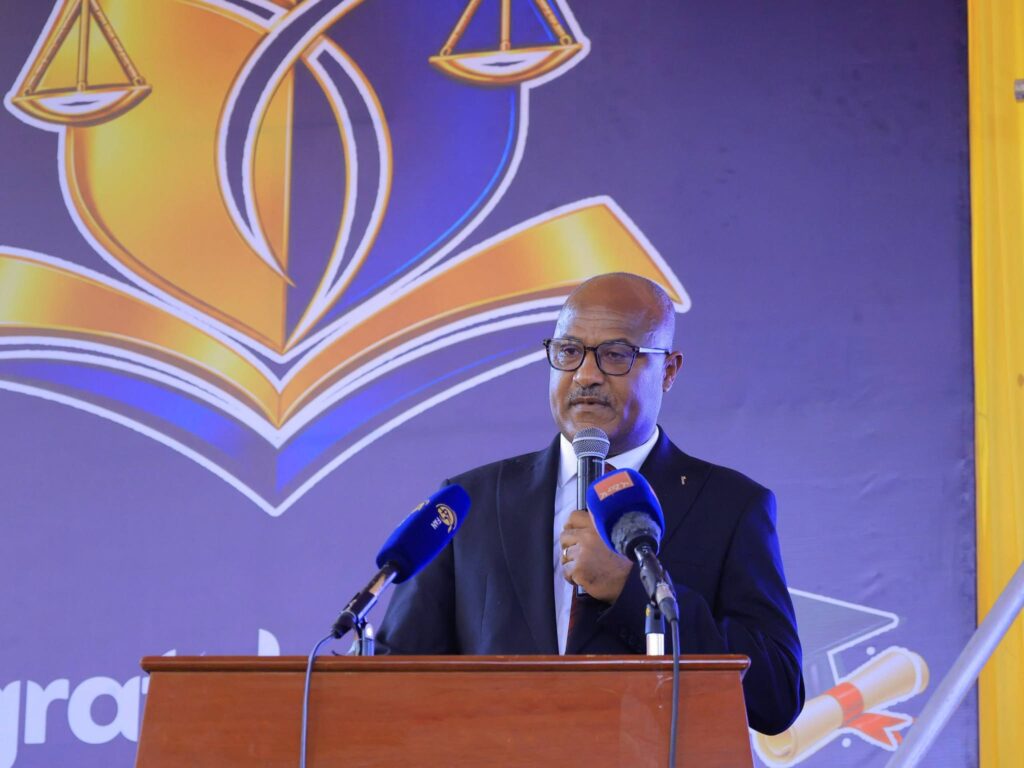
Delivering his opening remarks, the Institute's Director General, Dr. Dessie Tilahun, said the Institute was discharging its mandate of ensuring public access to justice by producing competent professionals equipped with knowledge, practical skills, and high standards of professional ethics to serve in the region's judicial and justice institutions.
Briefing participants on the implementation of the 18th round of training, Dr. Dessie explained that the program focused on 21 practical and professionally relevant subject areas. In addition to fundamental laws and procedural codes, the curriculum covered administrative law, court-annexed mediation, customary courts, capital market law, access to justice for vulnerable groups, judicial independence and accountability, and professional ethics.
He further noted that practical learning activities, including moot court exercises, group discussions, and experience-sharing sessions with senior judges and public prosecutors, were conducted to enable trainees to translate their theoretical knowledge into practical professional skills.
The Director General also explained that the prospective judges were assigned to 62 district courts, while the prospective public prosecutors were deployed to 63 district justice offices for practical attachments from June 8 to August 7, 2026. During this period, they undertook practical assignments and prepared research-based reports examining legal and operational gaps within the respective districts, which were subsequently reviewed and evaluated.
According to Dr. Dessie, under its new strategic direction, the Institute is working to go beyond its role as a center of training excellence and establish itself as a distinguished institution by conducting research to address challenges facing the region's judicial and justice system and facilitating experience-sharing with internationally recognized peer institutions.
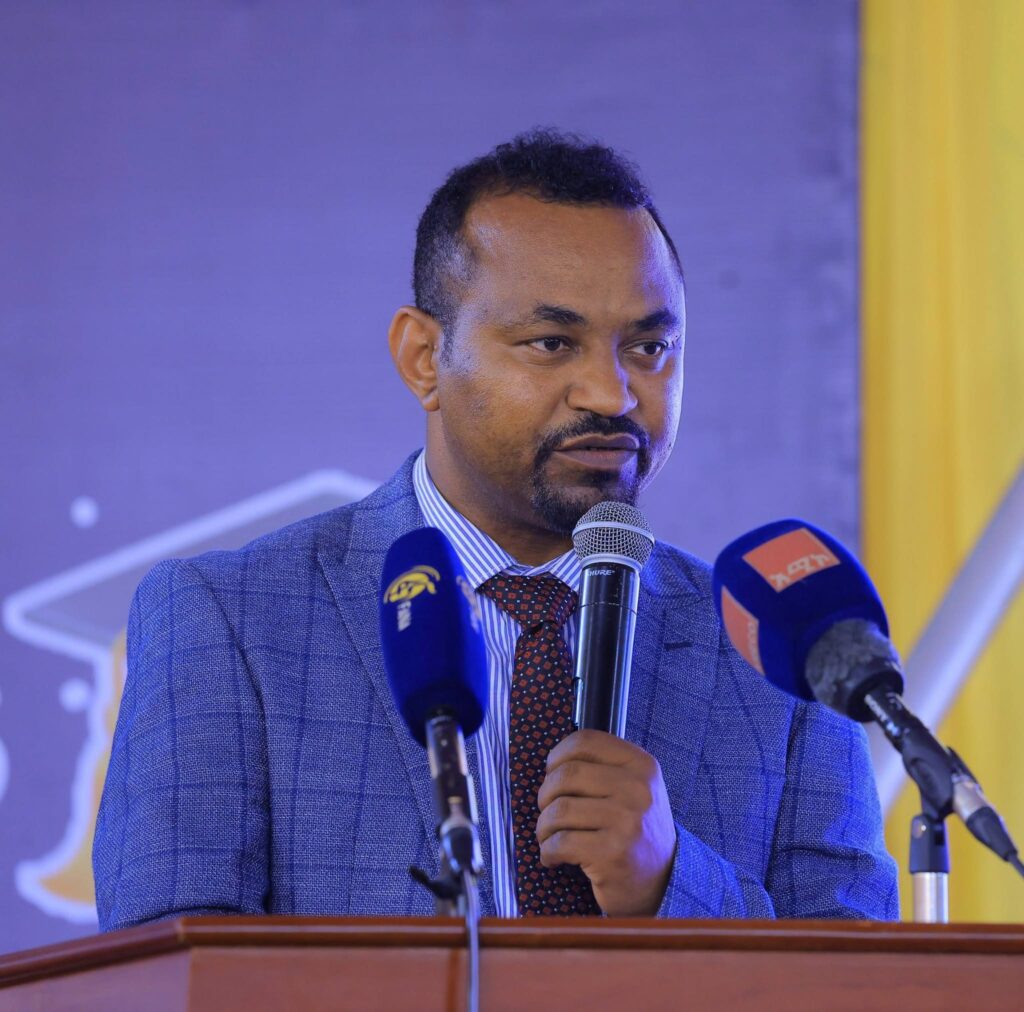
Delivering a message at the graduation ceremony, the Head of the Amhara Region Justice Bureau, Ato Birhanu Goshem, emphasized that developing a competent workforce equipped with sound knowledge, practical skills, and professional ethics is essential to improving the quality, accessibility, and credibility of the justice system.
Ato Birhanu explained that the Justice Bureau, in collaboration with the Region Supreme Court, had selected the trainees through a transparent, merit-based recruitment process and facilitated their admission into the training program.
He added that, through institutional coordination between the Institute and the Region Supreme Court, the entire training process had been carefully managed and supervised through to its completion and graduation.
In his message specifically addressed to the graduating public prosecutors, the Bureau Head reminded them that the prosecution profession carries a significant responsibility to safeguard citizens' rights, uphold the rule of law, and protect the peace and security of society.
He emphasized that the success of a public prosecutor should not be measured solely by the number of cases filed or individuals convicted, but rather by the prosecutor's contribution to legality, fairness, and public trust in the justice system.
Addressing the prospective judges, Ato Birhanu underscored that judicial service entails a demanding responsibility requiring independence, diligence, impartiality, and the highest standards of ethical integrity. He stressed that a judicial decision, in itself, does not necessarily constitute justice; rather, every decision must be grounded in legality and fairness.
He also emphasized that the professional ethics of judges and public prosecutors should not be confined to their conduct within the workplace but should equally be reflected in their personal lives and interactions within the wider community.
Accordingly, he urged the graduates to serve as exemplary representatives of their respective institutions, both in the discharge of their professional responsibilities and in their personal conduct.
Ato Birhanu further noted that the effectiveness of the justice system cannot be ensured by the efforts of a single institution alone. He underscored the importance of coordinated operations and effective information-sharing among the police, judges, public prosecutors, correctional institutions, and other relevant stakeholders.