
Bahir Dar, November 22, 2026 (Amhara Region Supreme Court)
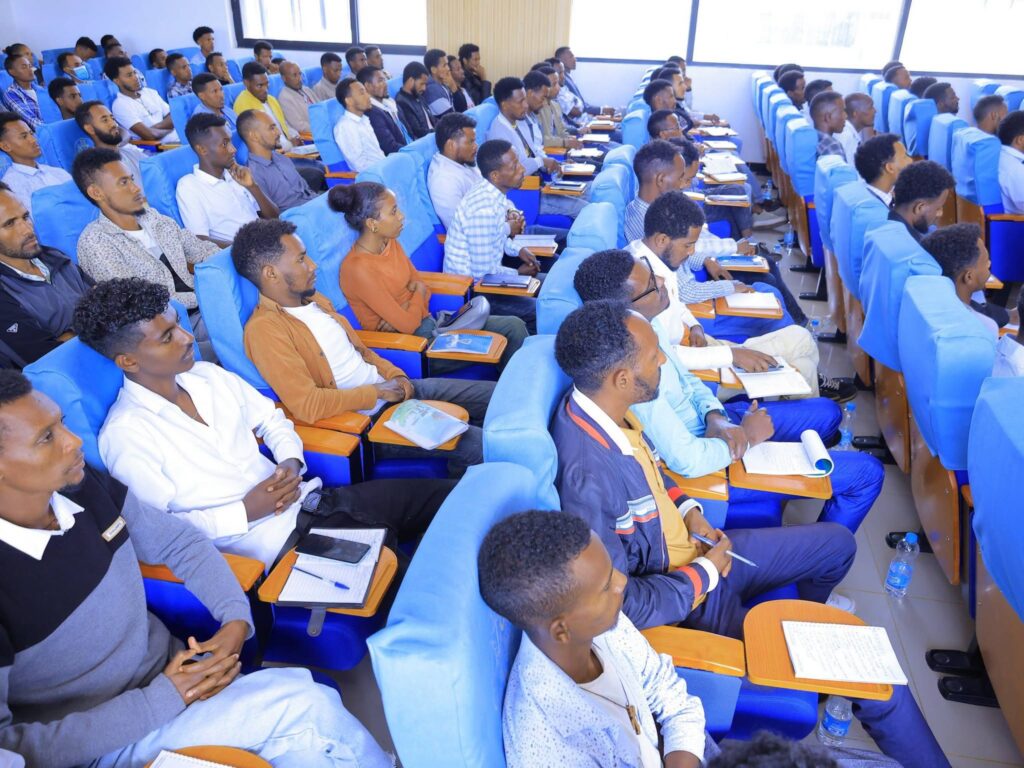
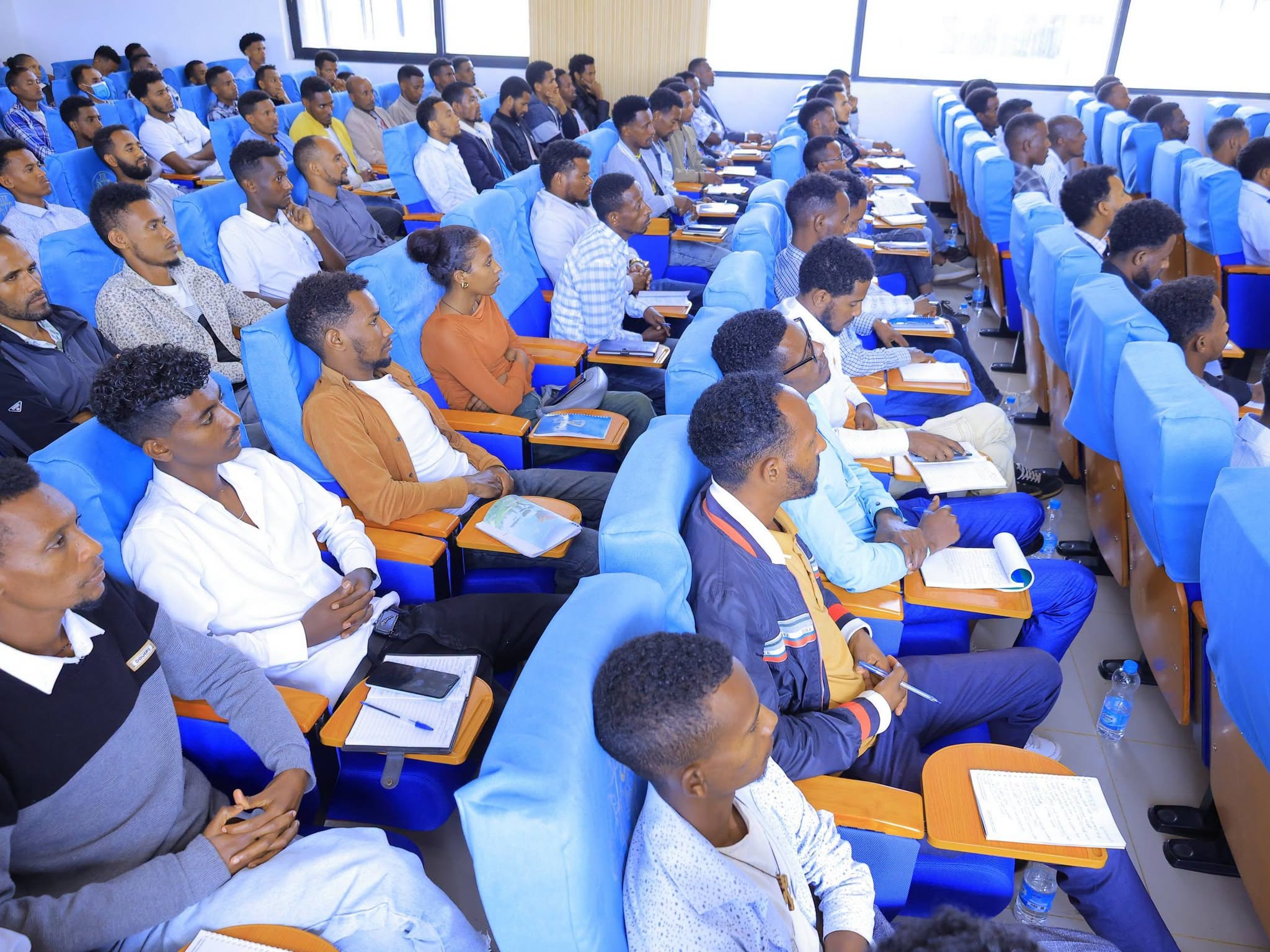
The Amhara Region Supreme Court has concluded a three-day professional orientation training program for prospective judges assigned to various courts across the region.
On the final day of the training, Mr. Endadlew Aitenfesu, Head of the President's Office at the Supreme Court, delivered a presentation on the Amhara Region Courts' Ethics and Anti-Corruption Strategy, the Code of Judicial Ethics, and judges' use of social media.
In his presentation, he explained that the role of courts extends beyond resolving disputes and delivering judgments to include safeguarding human rights, upholding the rule of law, and promoting good governance.
He further emphasized that institutional credibility is built not merely through the speedy delivery of judicial services, but also through quality, predictability, cost-effectiveness, and services grounded in respect for court users.
In this regard, he underscored that judges are expected to safeguard their judicial independence and impartiality, discharge their duties diligently and honestly in a manner befitting the dignity of their profession, respect the rights of litigants, and provide services that earn public trust.
He particularly stressed that although judges have the right to use social media, they must refrain from activities that could undermine judicial independence, impartiality, and public confidence in the judiciary.
Mr. Endadlew also noted that disseminating false information, using fake identities, sharing inflammatory content, and promoting commercial advertisements are practices inconsistent with professional judicial ethics. He urged judges to refrain from raising their questions and grievances on social media and instead address them through established legal and institutional channels.
Similarly, Mr. Endeshaw Getnet, a Judicial Inspector at the Amhara Region Supreme Court, provided an explanation of judicial accountability and the disciplinary measures that may be taken against judges. Drawing on practical examples of ethical violations encountered in the course of judicial practice, he highlighted the importance of professional accountability.
He explained that abusing judicial authority for personal gain, showing bias, delaying the discharge of official duties, subjecting litigants to unnecessary inconvenience, and engaging in conduct that undermines the dignity of the courts could result in disciplinary accountability.
Following the presentations, the prospective judges raised questions and shared their reflections on the training sessions and briefings delivered over the three-day program.