
Bahir Dar, September 29, 2019 E.C. (Amhara Region Supreme Court)
The President of the Federal Supreme Court, Hon. Tewodros Mihret, has stated that the remarkable progress and transformation achieved by the courts of Amhara Region within a short period demonstrate how institutional capacity can be strengthened and meaningful change achieved through commitment, integrity, and coordinated efforts.
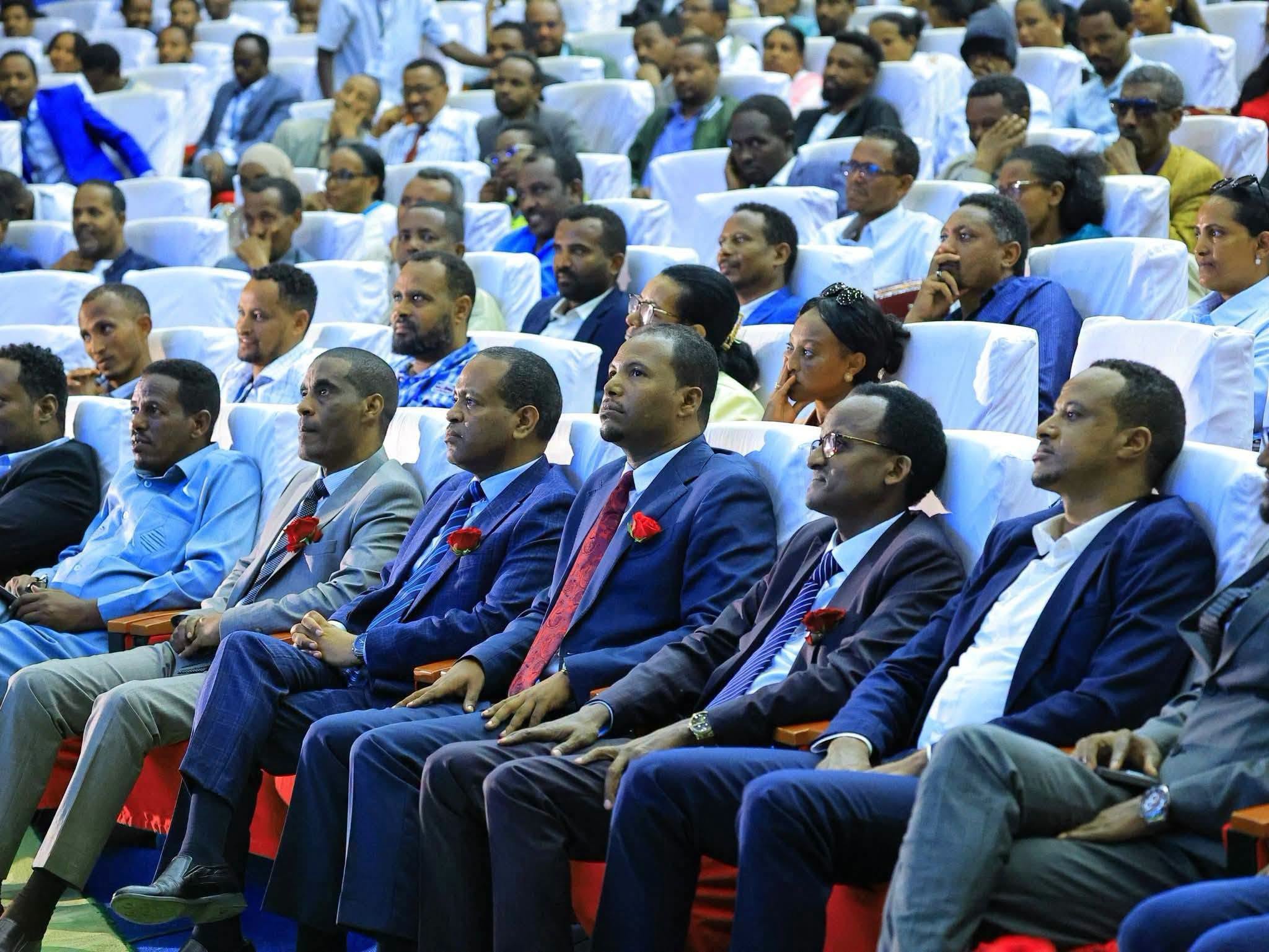
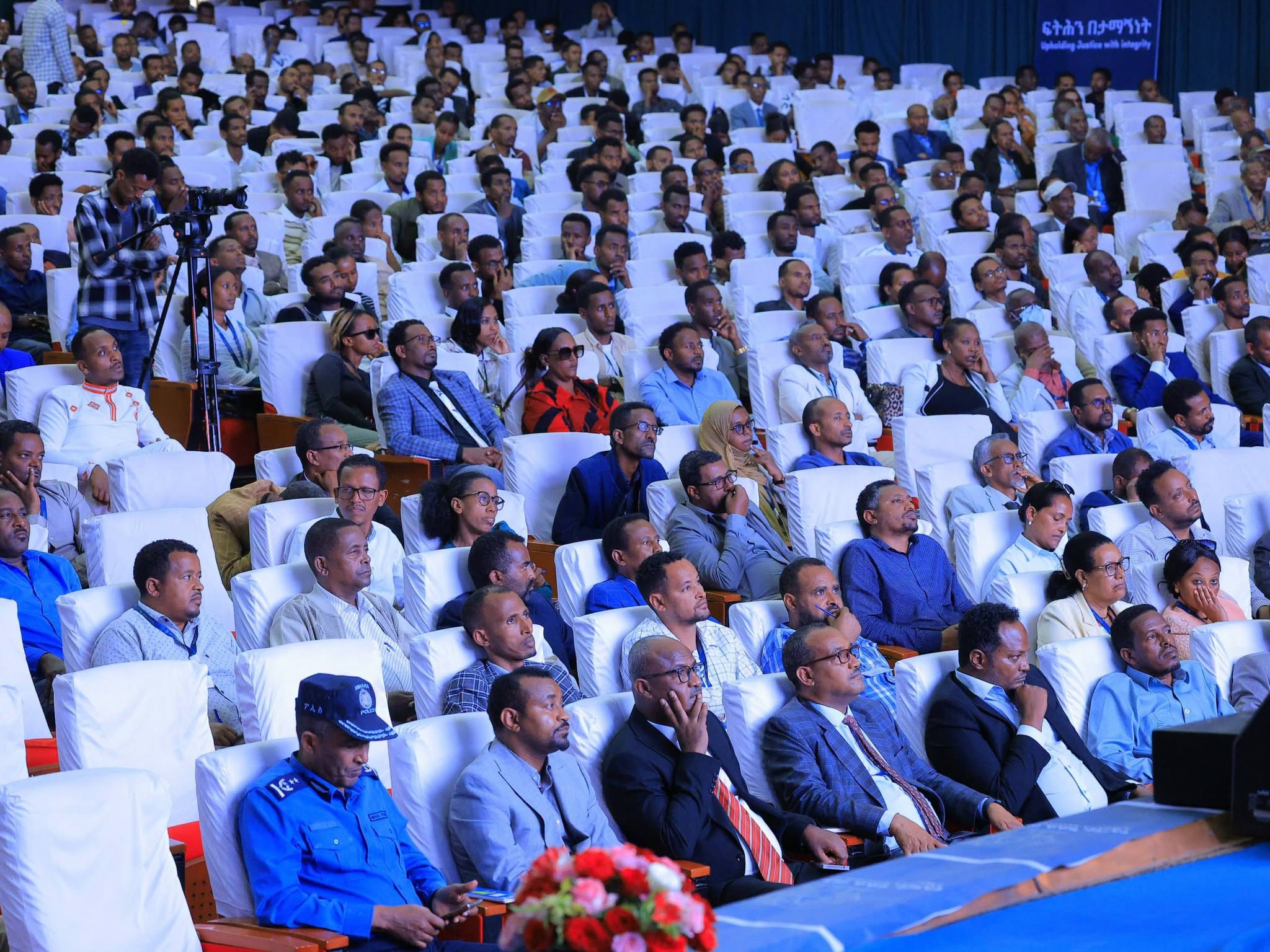
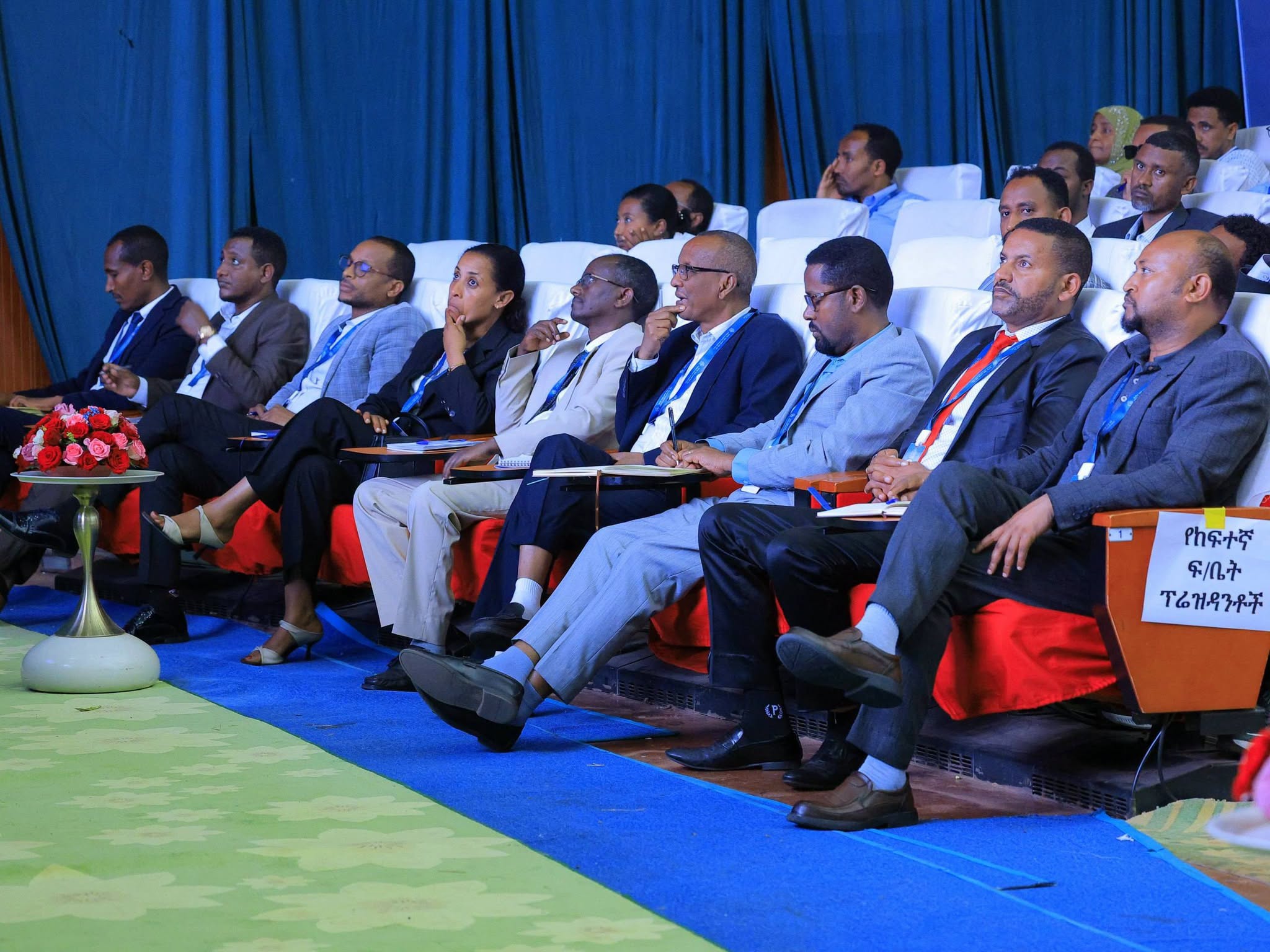
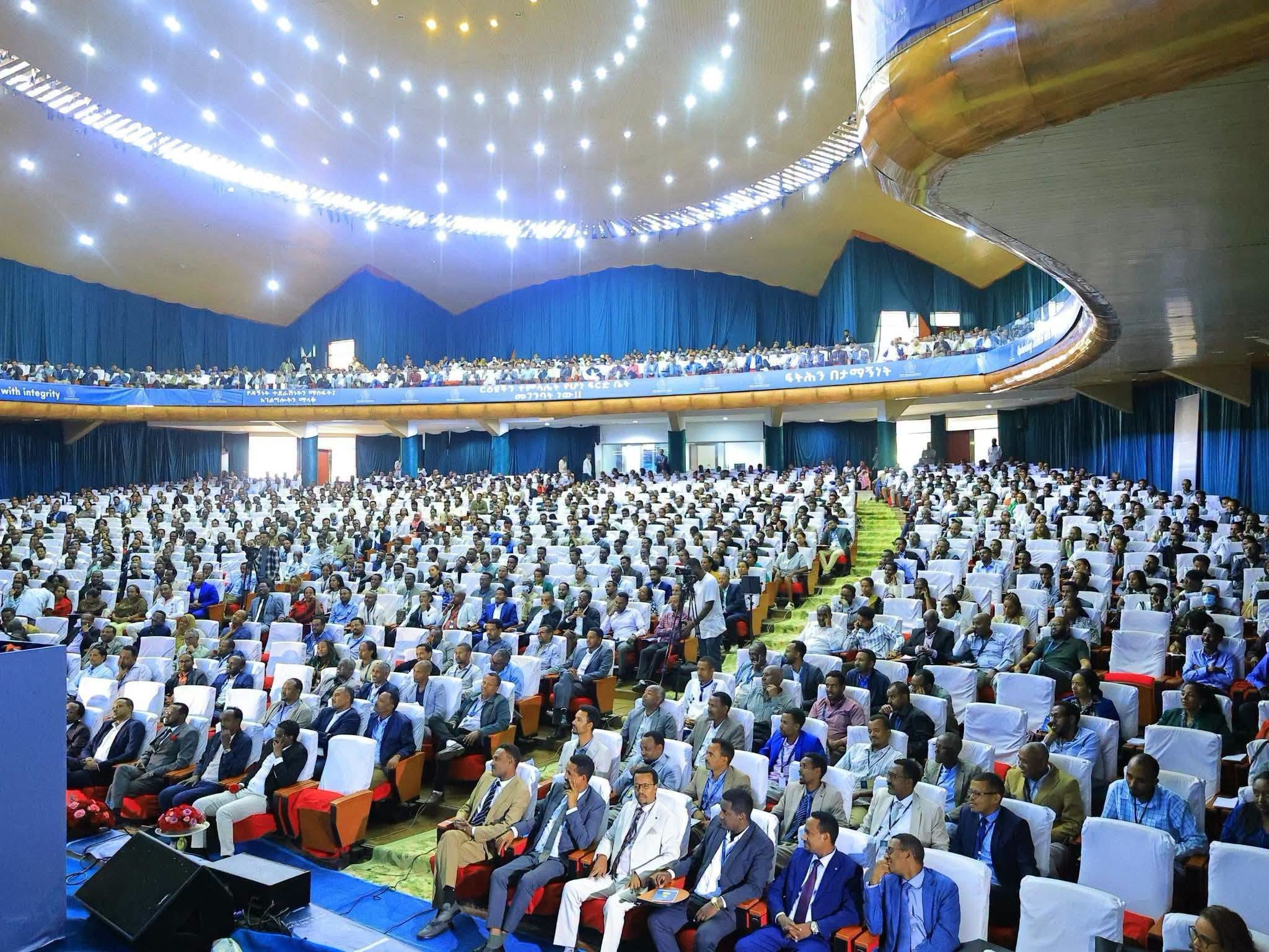
The President made the remarks in his address at the closing ceremony of the Second Annual Conference of Amhara Region Courts Judges, which had been conducted over ten consecutive days. Presidents of supreme courts from other regional states and other invited guests also attended the closing ceremony.
In his address, President Tewodros highlighted the significant improvements made by the courts of Amhara Region in expanding access to justice, advancing digitalization, enhancing service delivery efficiency, and creating a conducive working environment.
“The progress and transformation demonstrated by the courts of Amhara Region within a short period serve as an exemplary model, showing the capacity of human beings to change existing circumstances when they plan and work with integrity,” he stated.
According to the President, these achievements are the result of committed leadership, the attention given to the judiciary by the regional government, and the support of various stakeholders. He emphasized the importance of strengthening and sustaining this cooperation to take the ongoing reform initiatives to an even higher level.
President Tewodros noted that the regional government’s support through budget allocations for the courts and the enactment of necessary legislation had made a significant contribution to the achievements. He called for this support to be sustained and further strengthened.
He also underscored the need to enhance cooperation among justice sector institutions to expand the digitalization of court services. In this regard, he highlighted the contribution of technologies and systems such as speech-to-text technology, remote court hearings, and electronic case filing in making justice services more accessible and efficient while strengthening public trust in the courts.
He further emphasized the need to expand and sustain these technological practices nationwide to establish a justice system that enables citizens to enforce their rights closer to home, with less cost and effort.
The President also explained that judicial service is a responsibility requiring the highest standards of moral integrity, ethical commitment, and professional competence. He stressed that judges are expected to treat everyone equally, remain free from bias, and base their decisions exclusively on the law and evidence.
Emphasizing that judicial independence and impartiality are fundamental principles of the justice system, President Tewodros noted that although safeguarding judicial independence is a personal responsibility of every judge, the government and relevant institutions also have a duty to create the necessary conditions for that independence to be upheld.
He further explained that professional competence among judges is not acquired through formal education alone. Rather, it requires keeping abreast of new legislation and legal concepts, expanding knowledge, and continuously improving professional skills. In this regard, he underscored the vital role of judicial training in strengthening professional competence and safeguarding citizens’ right of access to justice.
In conclusion, the President stressed that judges bear a significant social and national responsibility to uphold the rule of law and ensure justice. He expressed his appreciation and gratitude to judges who diligently discharge this responsibility and extended his best wishes for their continued success in carrying out their demanding duties with competence and integrity in the coming working year.
The Second Annual Conference of Amhara Region Courts Judges, held over ten consecutive days, aimed to enhance judges’ professional competence, improve judicial service delivery, and strengthen cooperation among justice sector institutions. The conference concluded on September 29/2019 E.C.