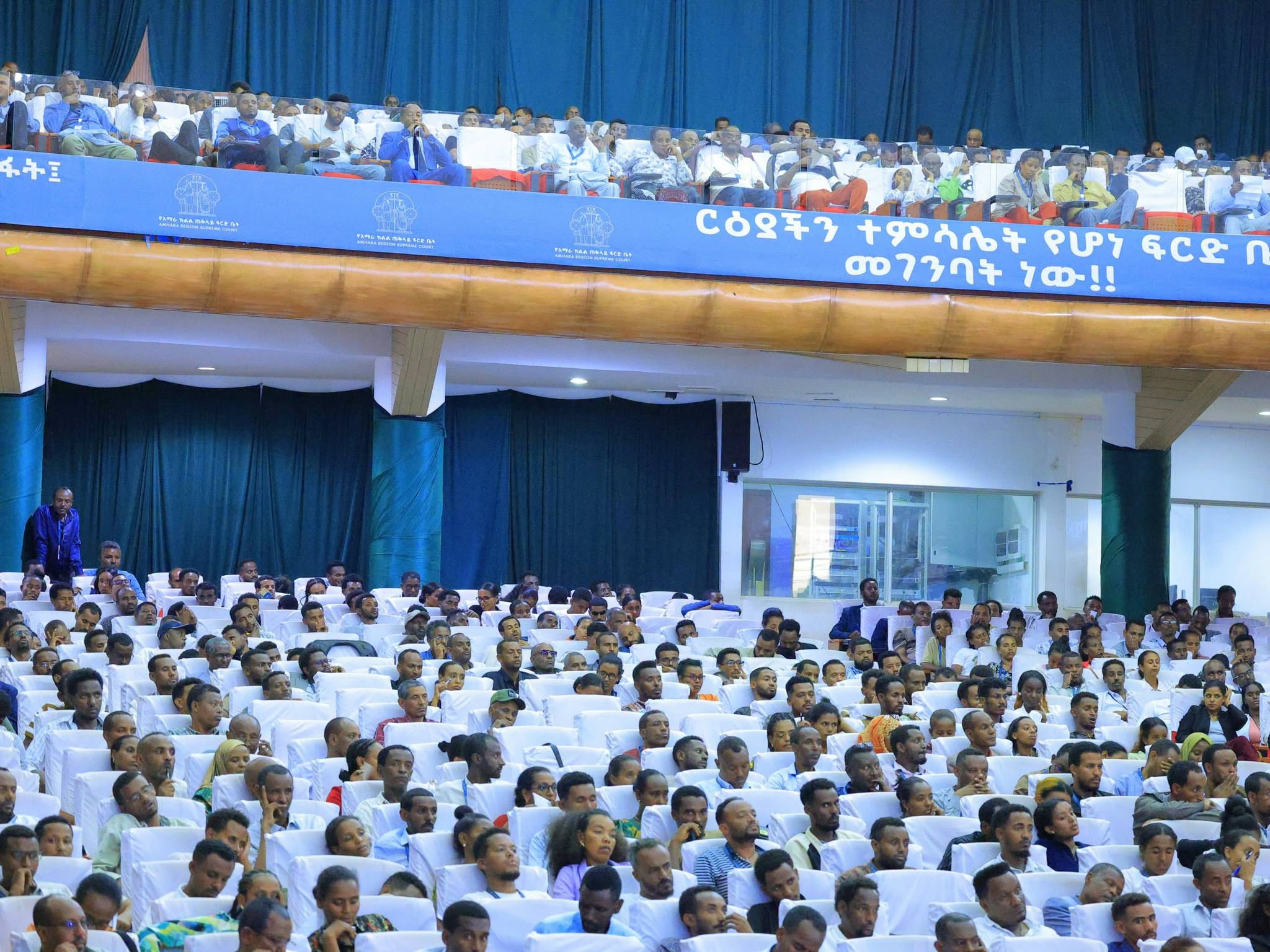

Bahir Dar, September 27, 2019 E.C. — Amhara Regional Supreme Court
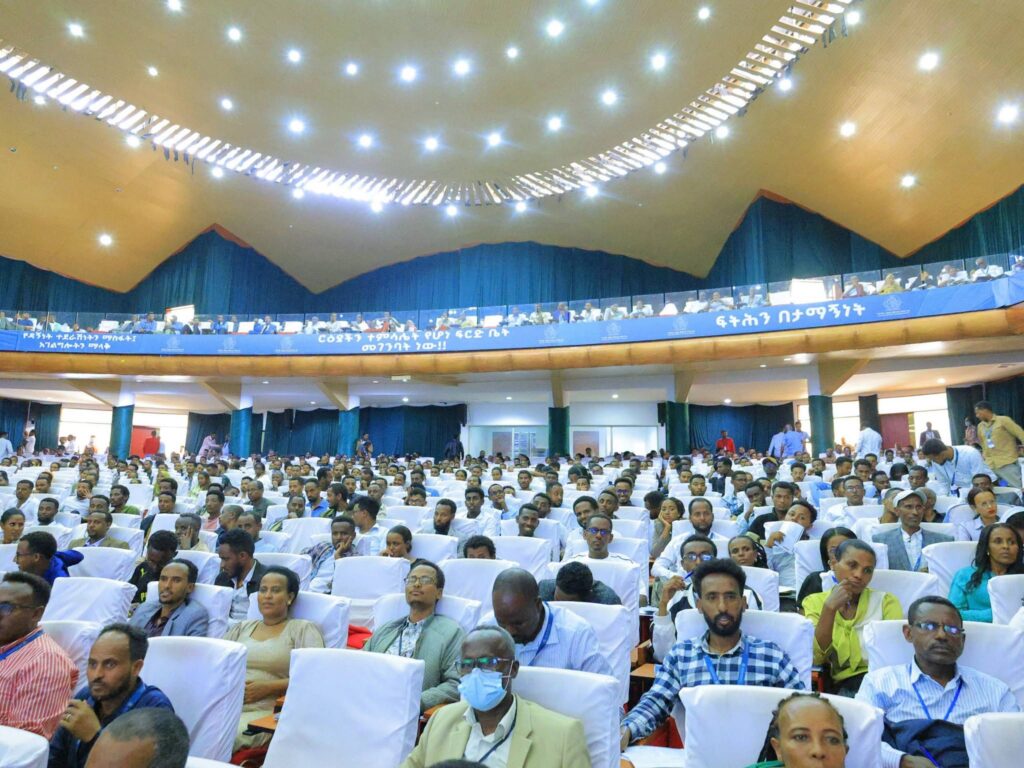
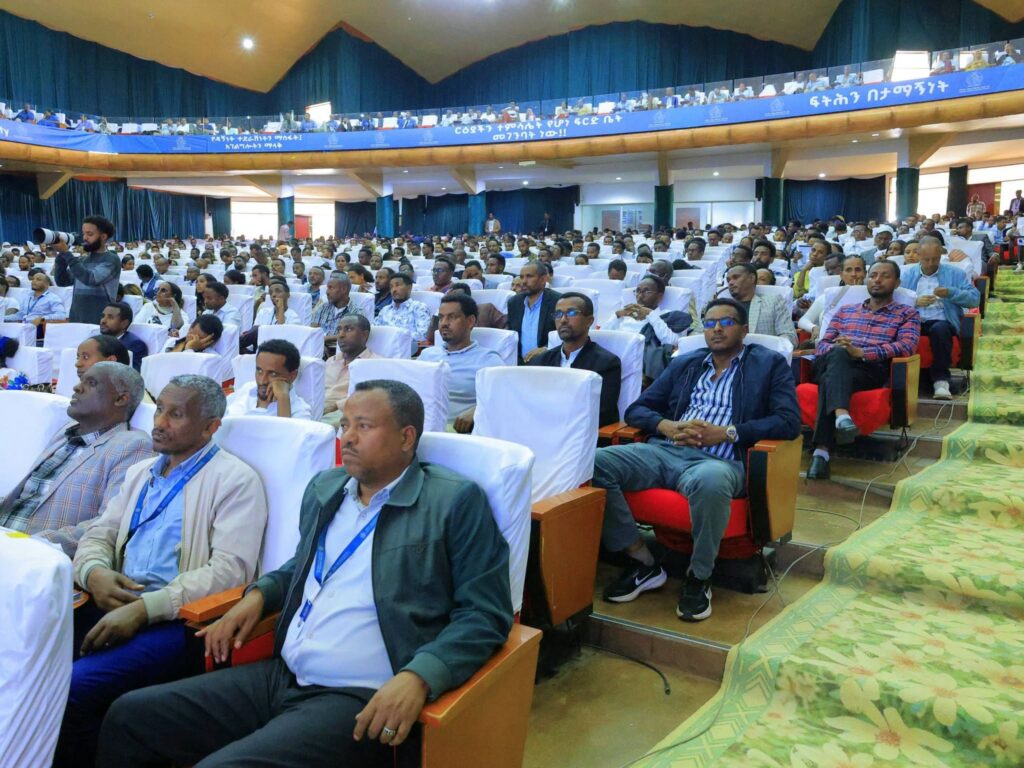
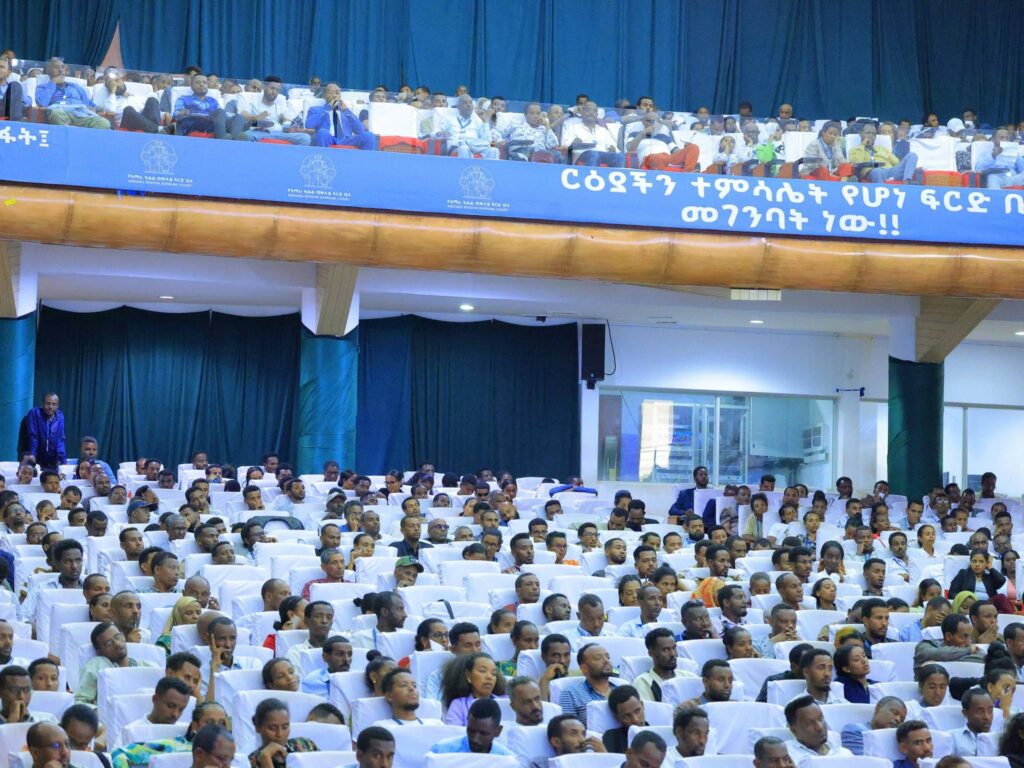
Participants of the Second Annual Conference of Amhara Regional Courts Judges were briefed on the mandate and functions of the Ethiopian Capital Market Authority (ECMA) and the Ethiopian Capital Market Administrative Tribunal, as well as their interaction with ordinary courts.
The briefing covered the fundamentals of capital markets, the legal framework and functions of the Capital Market Authority, investor protection, securities registration and trading, and the jurisdiction and functions of the Capital Market Administrative Tribunal.
Experts from the Ethiopian Capital Market Authority and the Capital Market Administrative Tribunal explained that a capital market provides a platform through which buyers and sellers of financial instruments engage in transactions. They also highlighted the importance of securities registration, registration requirements, publicly offered and exempt securities, and qualified investors.
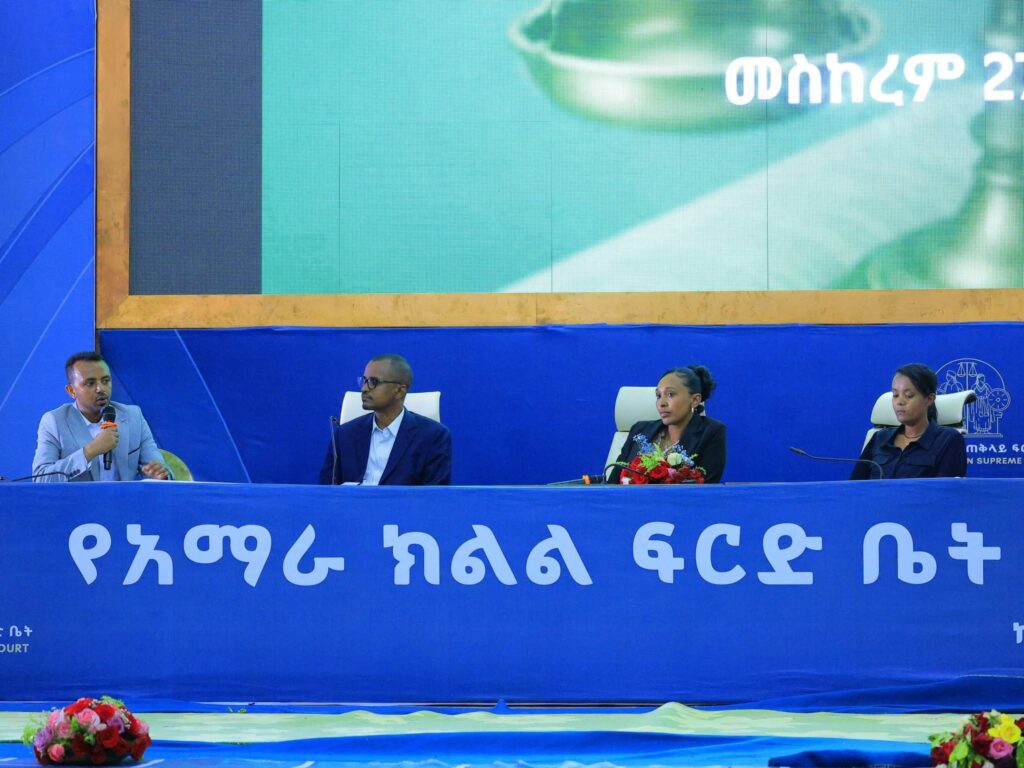
A panel discussion following the briefing addressed investor protection, access to information, securities registration, the process through which registered companies enter the capital market, and the securities they offer for trading. Participants also discussed prohibited market practices, including insider trading, market manipulation, and creating false or misleading trading activity, as well as the legal liability arising from such unlawful practices.
The experts emphasized that protecting investors’ assets, preventing fraud, safeguarding market integrity, and providing legal mechanisms for resolving disputes among market participants are essential to building confidence in the investment environment.
The session also focused on the Capital Market Administrative Tribunal, including its jurisdiction, functions and structure, its differences and interaction with ordinary courts, and its role in resolving capital market disputes.
According to the experts, the Tribunal was established with specialized jurisdiction in view of the unique and complex nature of capital markets, the need for timely resolution of disputes, and the potential to reduce the caseload of ordinary courts. Like other courts, it examines evidence and information, hears the parties, and issues decisions. It was also explained that the Tribunal has final jurisdiction over matters of fact.
In addition to its adjudicative functions, the Tribunal undertakes activities aimed at enhancing legal awareness, making legal and educational materials accessible, and providing training for legal professionals, prosecutors and criminal investigators.
The experts further noted that the Tribunal is working to strengthen cooperation and coordination with ordinary courts. In this regard, it has signed memoranda of understanding with eight regional supreme courts, including the Amhara Regional Supreme Court, and is working with them on areas of mutual interest.
Investor protection was also given particular attention during the briefing. The experts underscored the importance of access to adequate information and legal protection to enable investors to make informed investment decisions, protect themselves from fraud, and exercise their rights.
The briefing was noted as an important opportunity for judges to better understand the legal frameworks governing capital market activities and the jurisdiction and functions of the Administrative Tribunal, thereby strengthening legal understanding and institutional interaction in matters arising from the capital market.