

Bahirdar, June 23/2026 (Amhara Region Supreme Court)
It is known that the Amhara Region Supreme Court has recognized 15 alternative dispute resolution methods that were identified in a study to function as the region customary courts and officially launched them.
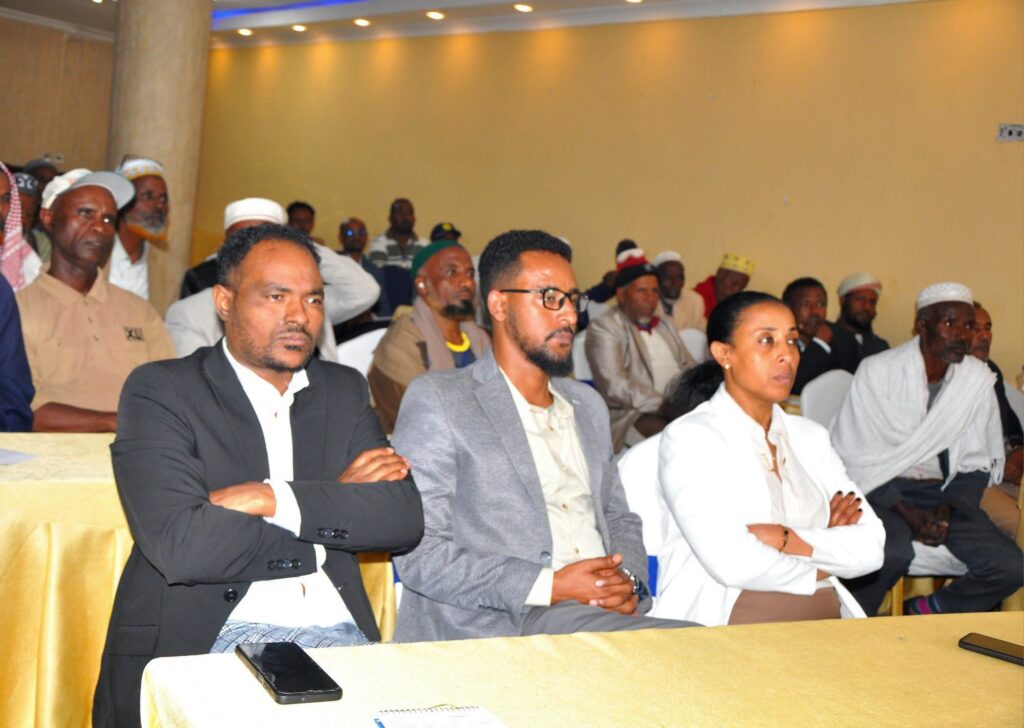
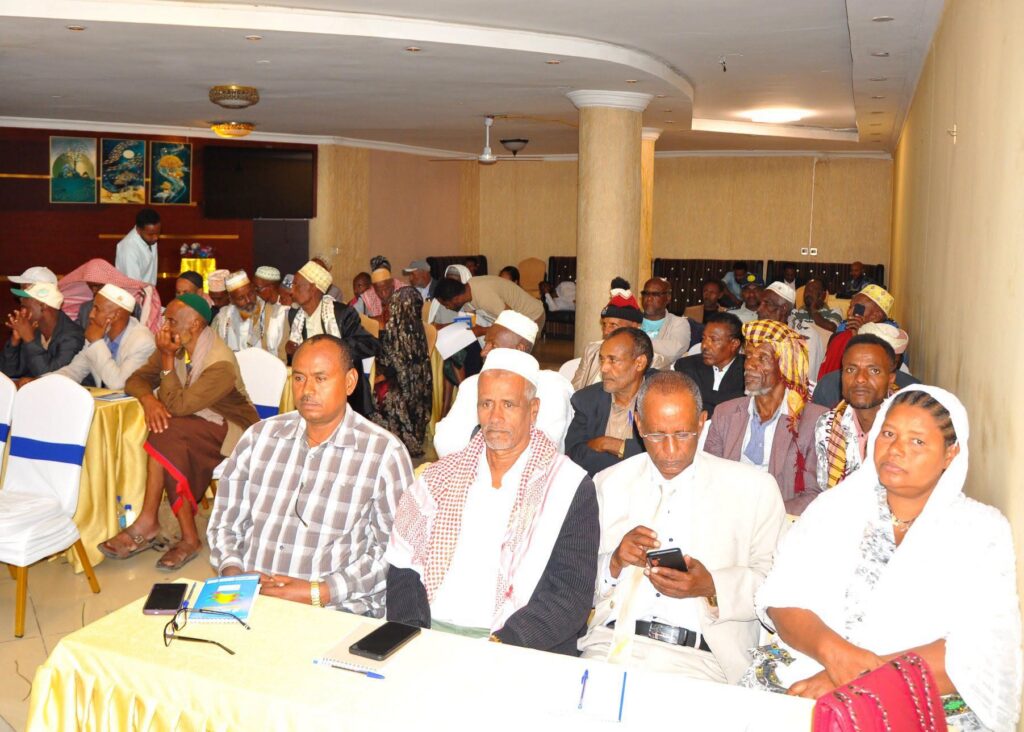
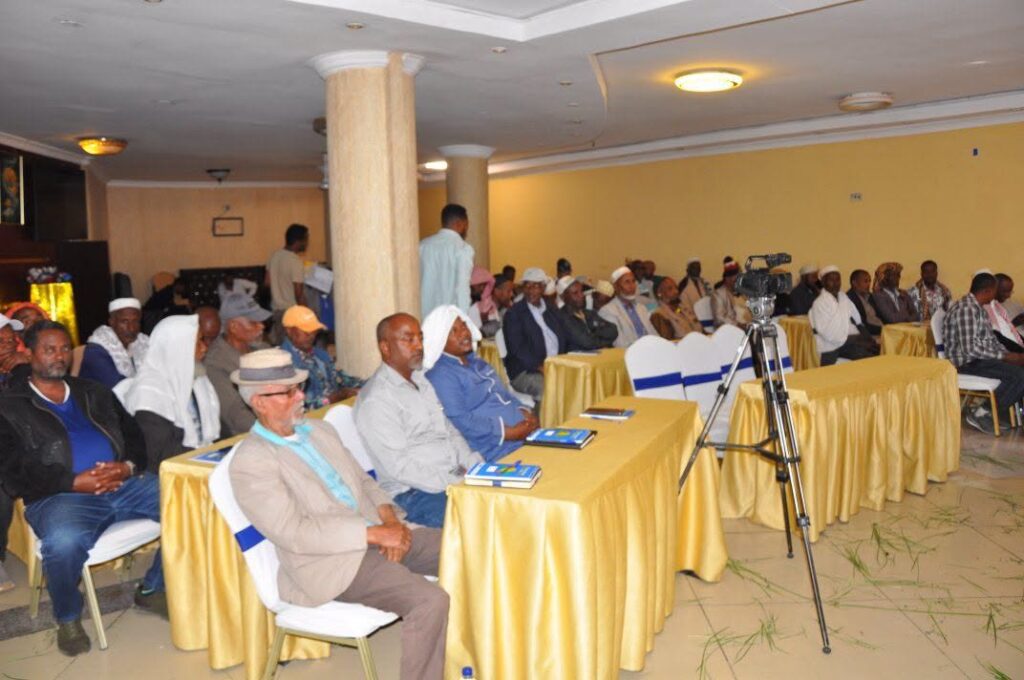
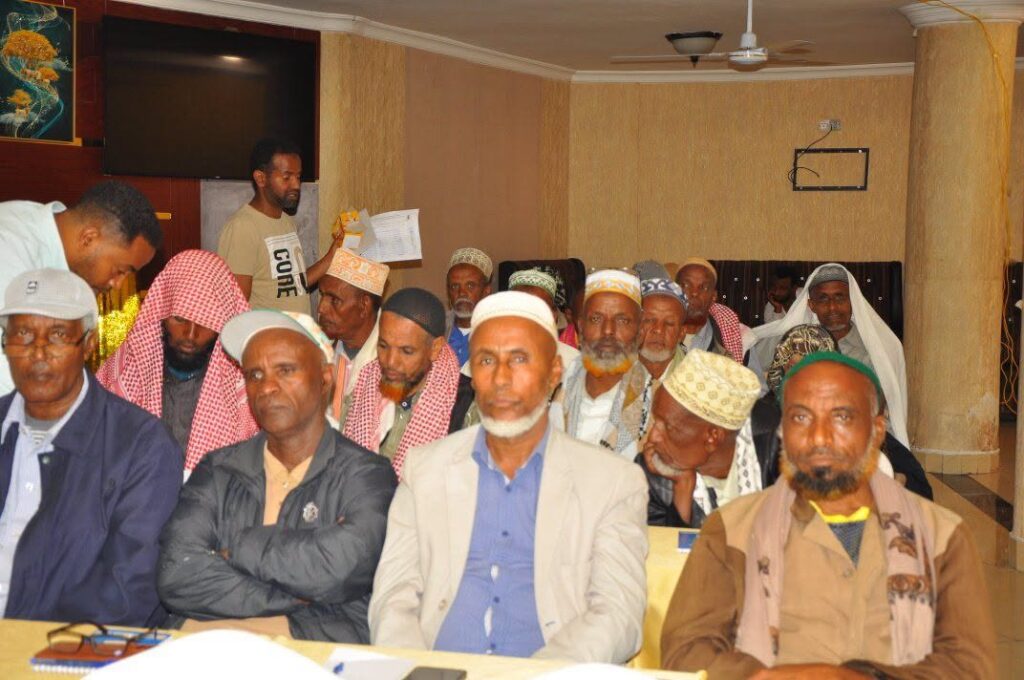
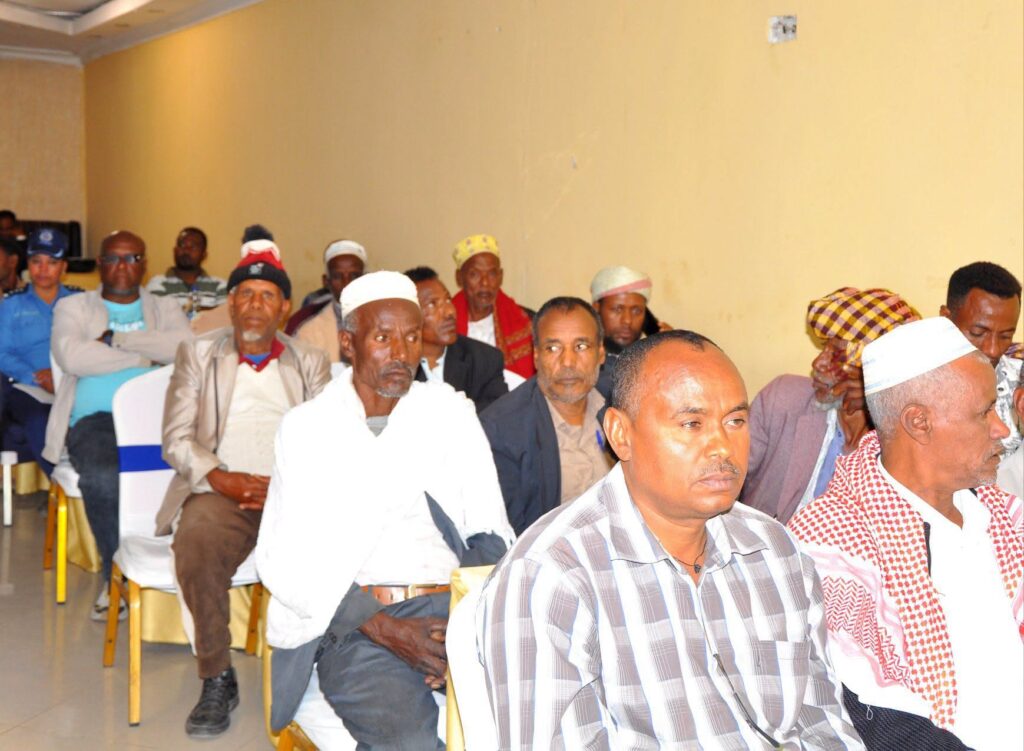
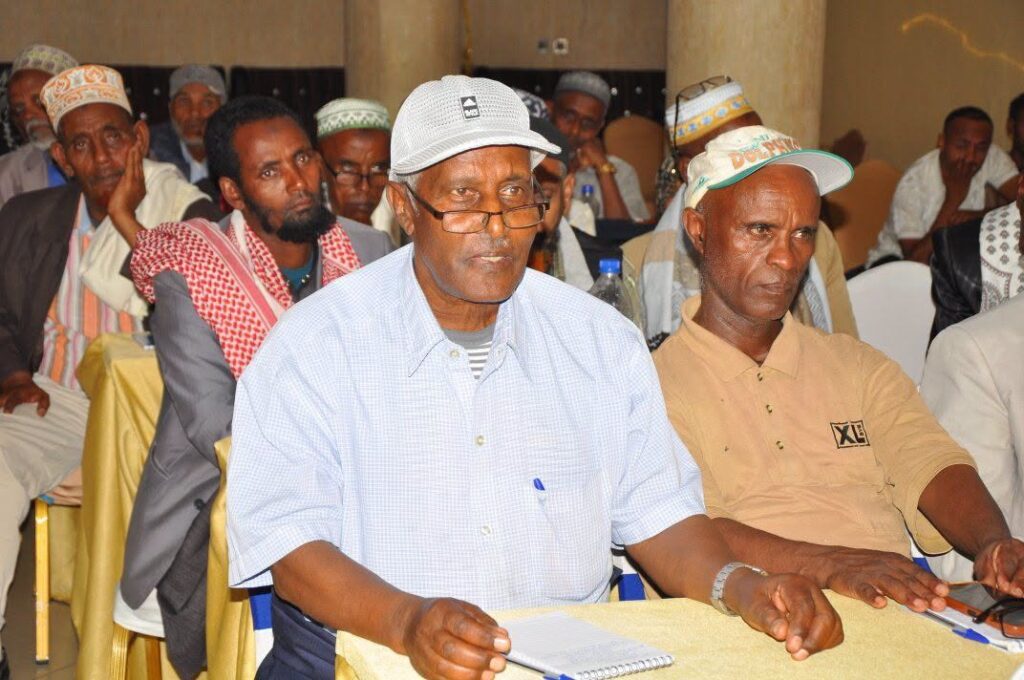
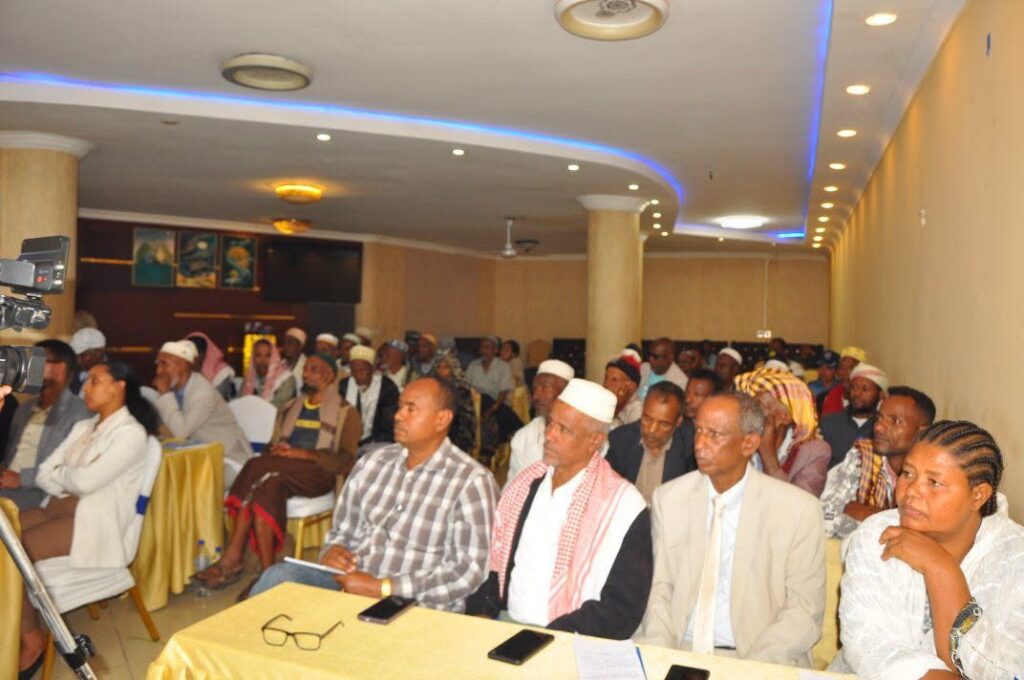
The Supreme Court, which officially launched capacity building training for customary court elders in other areas of the region, has also started providing similar capacity building training to customary court elders from South Wollo, North Wollo and Oromo National Administrative Zones.
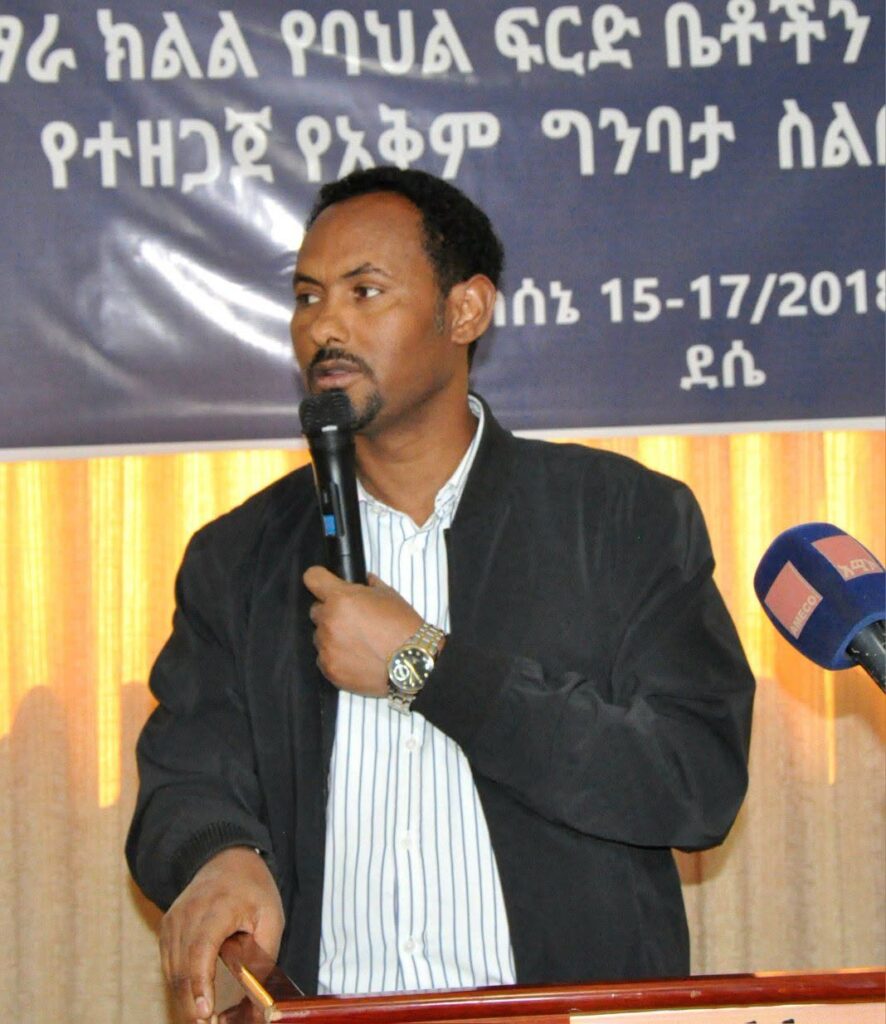
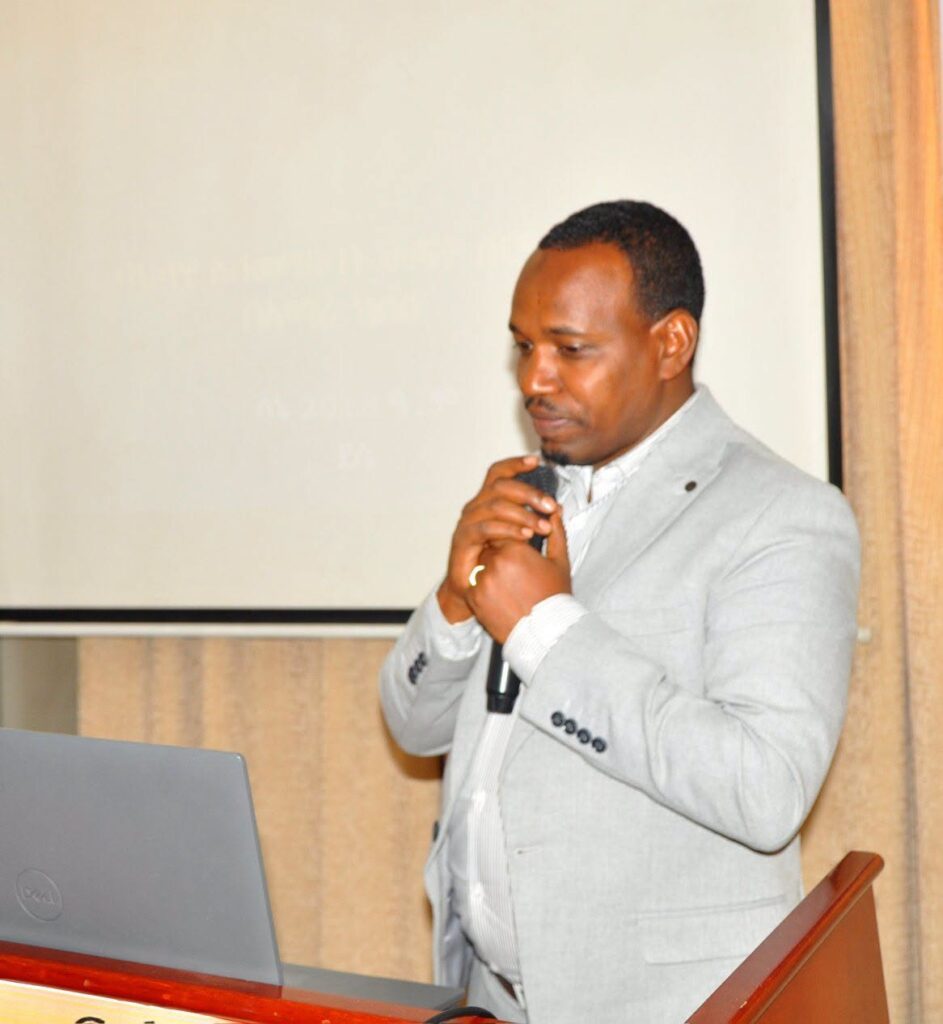
The Chief Administrator of South Wollo Zone, Ato Ali Mekonnen, who attended the training launching program, said that alternative dispute resolution systems that support the work of regular courts are necessary.
The Chief Administrator stated that the courts, starting from the Supreme Court of the Region, are doing a lot of work to respond to the justice demands of the community and that they have recorded encouraging results. However, since the needs of the community cannot be met through the judicial services provided by the regular courts alone, it is necessary to establish alternative dispute resolution systems as well.
Ato Ali said that it is a commendable act for the Supreme Court of the Region to give legal recognition to the customary courts and to start operating by providing the necessary capacity building training. He urged the trainees to faithfully fulfill their trust so that they can resolve disputes arising in the community without any cost or inconvenience by combining the additional knowledge they gain from the training with the skills they have developed in practice.
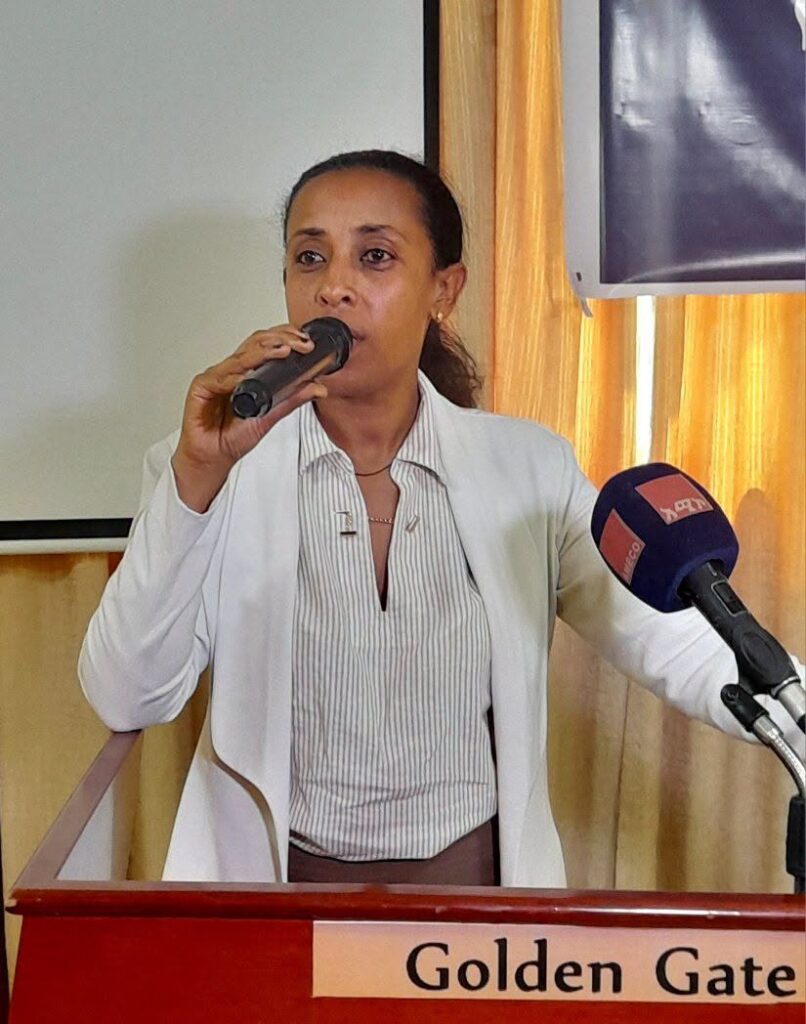
The President of the South Wollo Zone High Court, Honorable Mrs. Tigist Dagnachew, for her part; explained to the participants the detailed activities carried out by the region Supreme Court and all other courts in the region, including the process of creating awareness among the community, selecting elders, hiring volunteer clerks, and facilitating training places.
Mrs. Tigist, who stated that more than 1,228 kebeles in the region have been able to select judges for the customary courts; said that the training was designed to enable the members to understand the legal procedures and responsibilities of the customary courts before they begin their full-fledged work.
Mrs. Tigist, who thanked and appreciated the Ethiopian Human Rights Organizations Union for their support, called for its continued support.
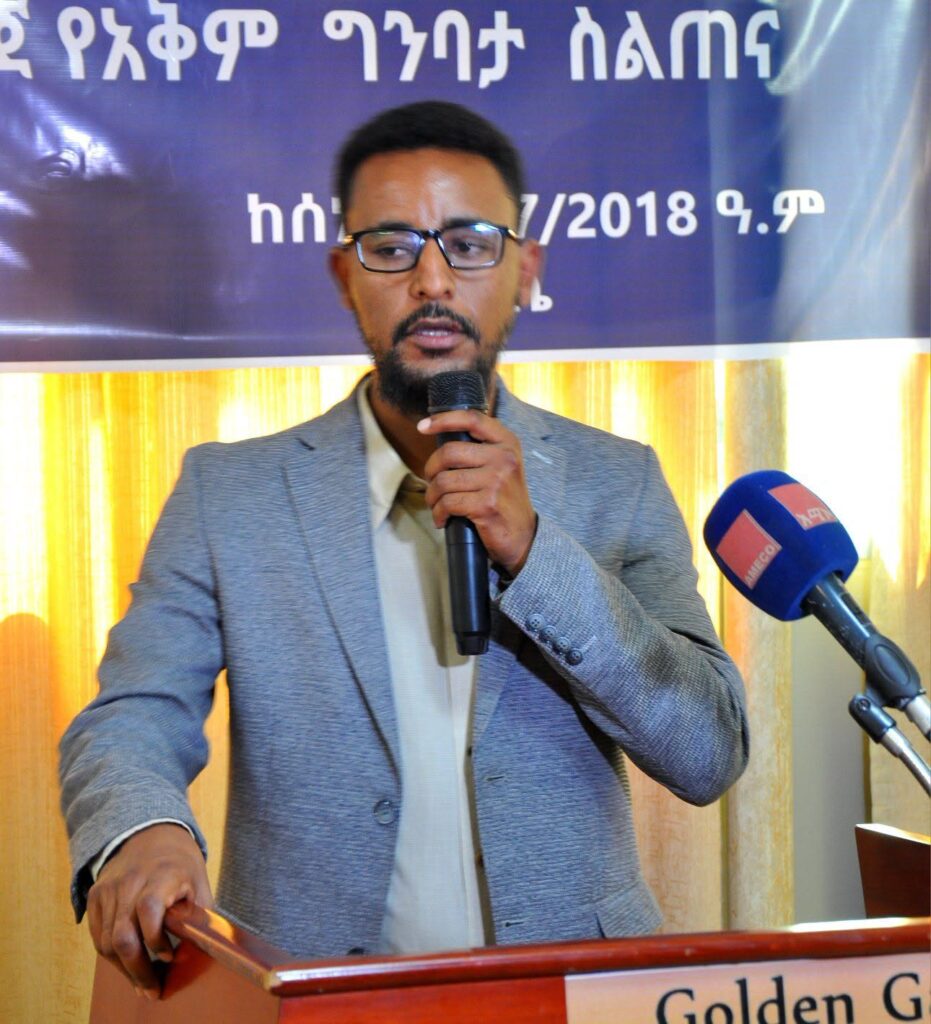
Ato Akelilu Aderajew, representative of the Ethiopian Human Rights Organizations Union, explained to the participants the activities the union is carrying out nationwide in the field of human rights.
The training mainly focused on the Proclamation No. 298/2025 issued to recognize and establish traditional courts in the Amhara Region and the Directive No. 23/2026 issued to implement the Proclamation. On the first day of the training, Ato Yimam Seied, Head of the Office of the Advisory Council of customary Courts of the Supreme Court of the Amhara Region, provided training on the detailed study of the traditional dispute resolution methods in the Amhara Region.
The training platform will last for three consecutive days from June 22 to June 24, 2026, and is expected to provide the customary court elders with additional capacity to perform their duties properly. Source: South wollo Zone High Court.