
Bahir Dar, June 27, 2026 (Amhara Region Supreme Court)
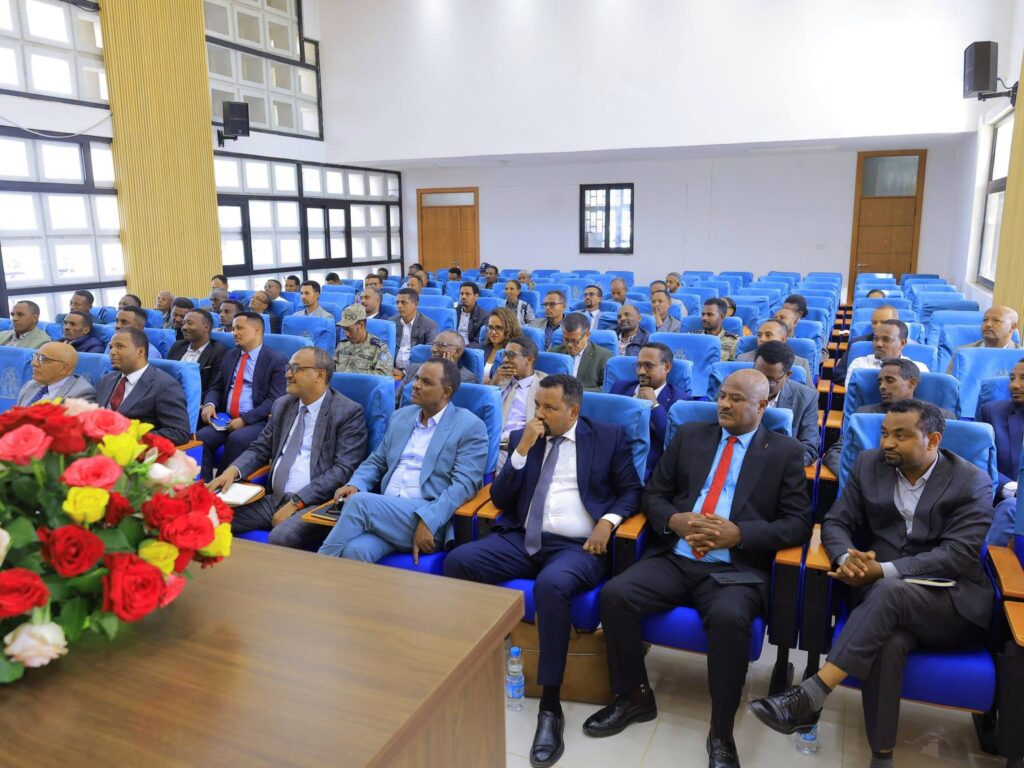
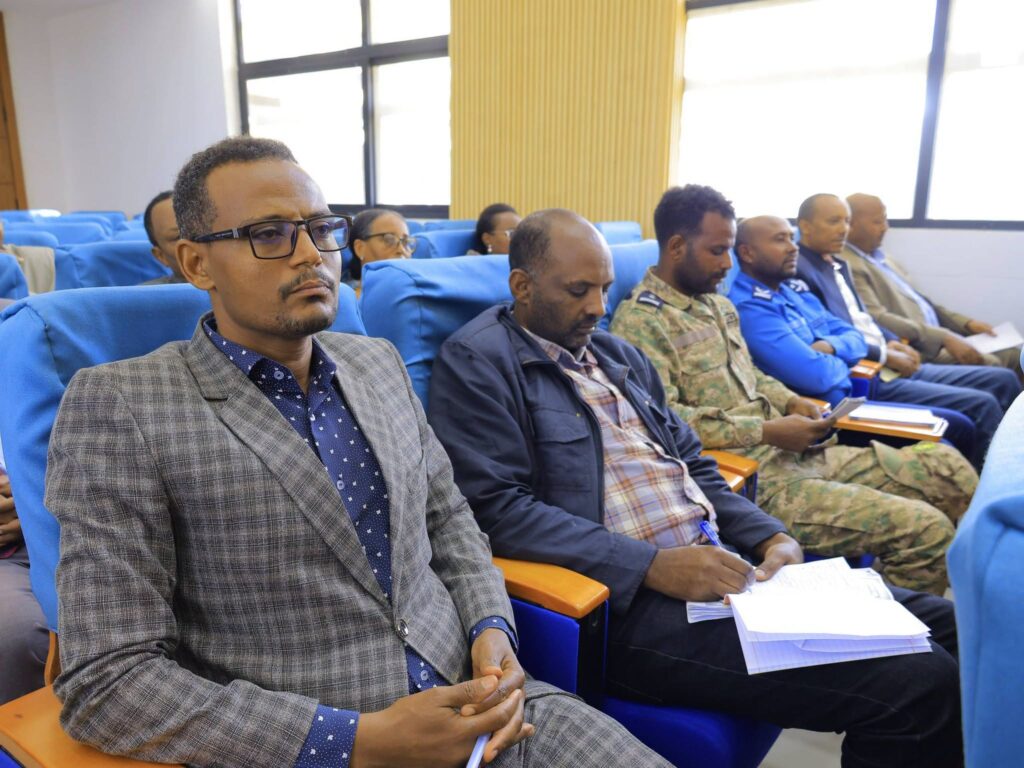
Senior and middle-level leaders of judicial and justice institutions in the Amhara Region have received training on the role of the judiciary and justice sector in upholding law and order during challenging circumstances as part of the region's ongoing judicial reform program.
The Amhara Region Supreme Court is working in close collaboration with other justice sector institutions to build a judicial system that is trusted by the public and effectively contributes to the region's democratic governance and sustainable development through continuous improvement of judicial service delivery.
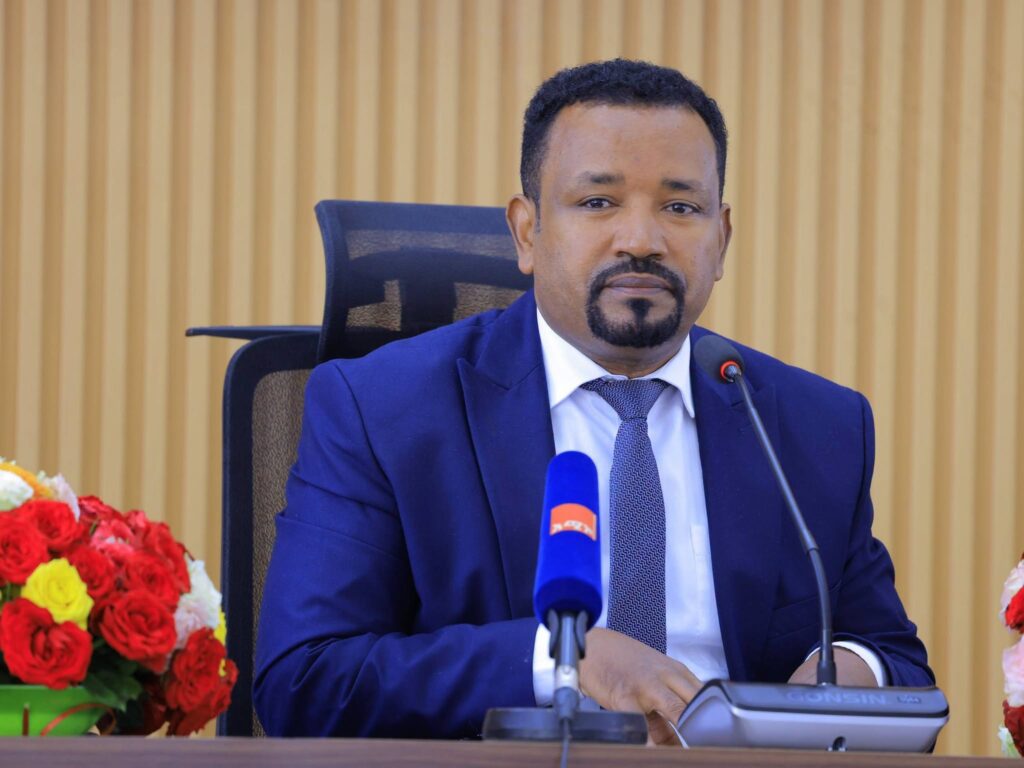
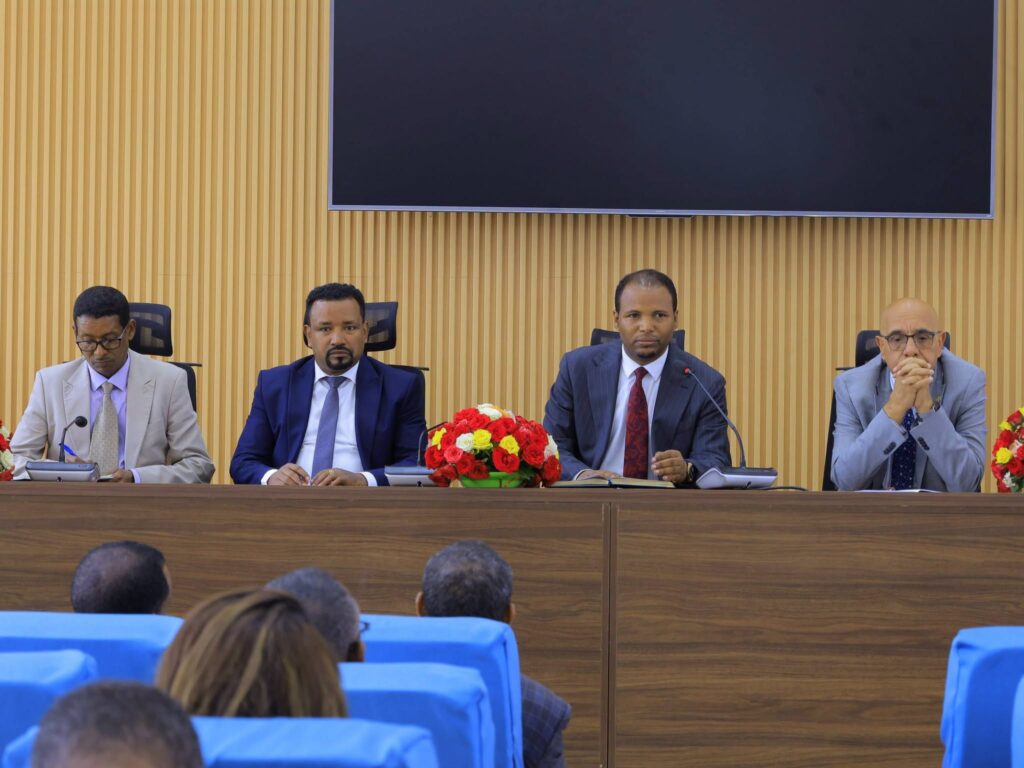
As part of these efforts, the Supreme Court convened a discussion forum with senior and middle-level leaders from the Region Justice Bureau, Police, and Prison Commission to review the current implementation of the Judicial and Justice Sector Transformation Program and discuss its future direction. The forum also featured a training session focusing on the critical role of judicial and justice institutions in maintaining law and order during periods of crisis and instability.
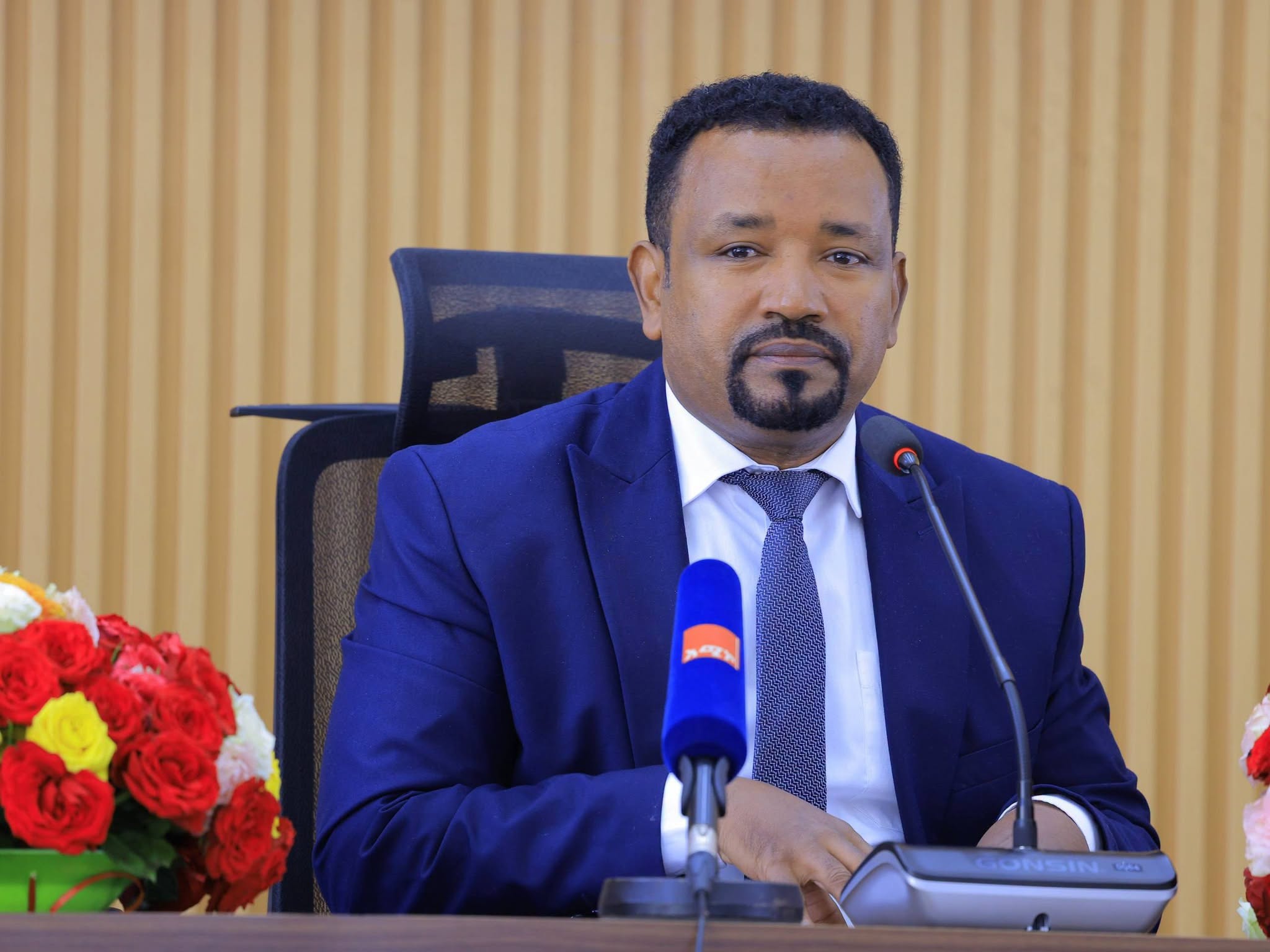
The training was delivered by Yonas Tesfa (Dr.), a legal advisor, researcher, and Assistant Professor at the School of Law of Addis Ababa University.
In his presentation, Dr. Yonas emphasized that judicial and justice institutions become even more indispensable during times of crisis. He noted that these institutions have a fundamental responsibility to safeguard the rule of law and restore public order both during and after challenging situations.
He further stated that strong judicial and justice institutions are essential to overcoming the legal and social challenges that arise during difficult periods. He encouraged justice sector institutions to strengthen cooperation, complement one another's efforts, and work collaboratively while respecting their respective mandates.
Dr. Yonas explained that countries with strong and independent judicial and justice institutions are generally better equipped to withstand crises and maintain social stability. He described the judiciary and justice sector as a pillar of stability that helps preserve public confidence and the rule of law during periods of uncertainty.
The Assistant Professor stressed that judicial and justices institutions must continue to perform effectively even under the most challenging circumstances. He noted that their role is vital in preventing lawlessness, ensuring that law enforcement remains within the framework of the law, and protecting the rights of all citizens—particularly vulnerable groups such as women and children.
Commenting on the ongoing reform initiatives in the region, Dr. Yonas commended the significant progress made in modernizing and strengthening the judicial and justice sector. He highlighted improvements in judicial infrastructure and the continuous efforts to enhance the capacity of judges and other justice professionals, emphasizing that these reforms should be sustained and further strengthened to ensure lasting institutional transformation.