
Bahir Dar, September 03, 2026 (Amhara Region Supreme Court)
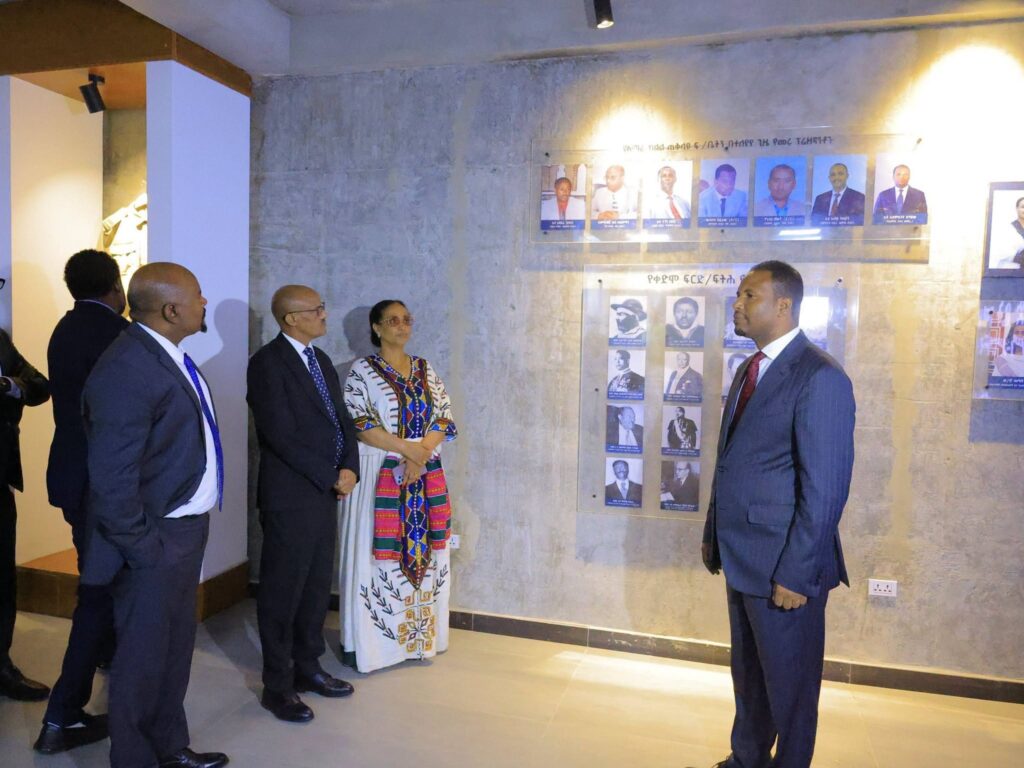
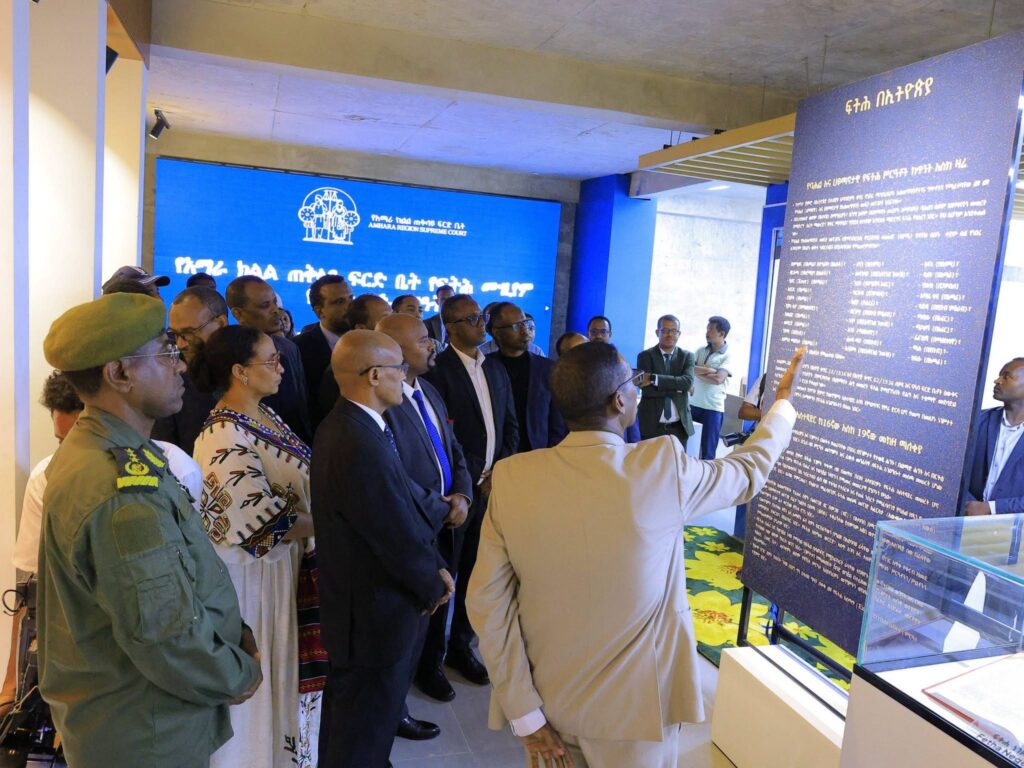
Amhara Region Supreme Court, in addition to its ongoing efforts to strengthen institutional and human resource capacity and expand modern judicial service infrastructure, has established a Justice Museum that chronicles the evolution of Ethiopia’s and the Amhara Region’s judicial and justice systems from traditional practices to the modern system.
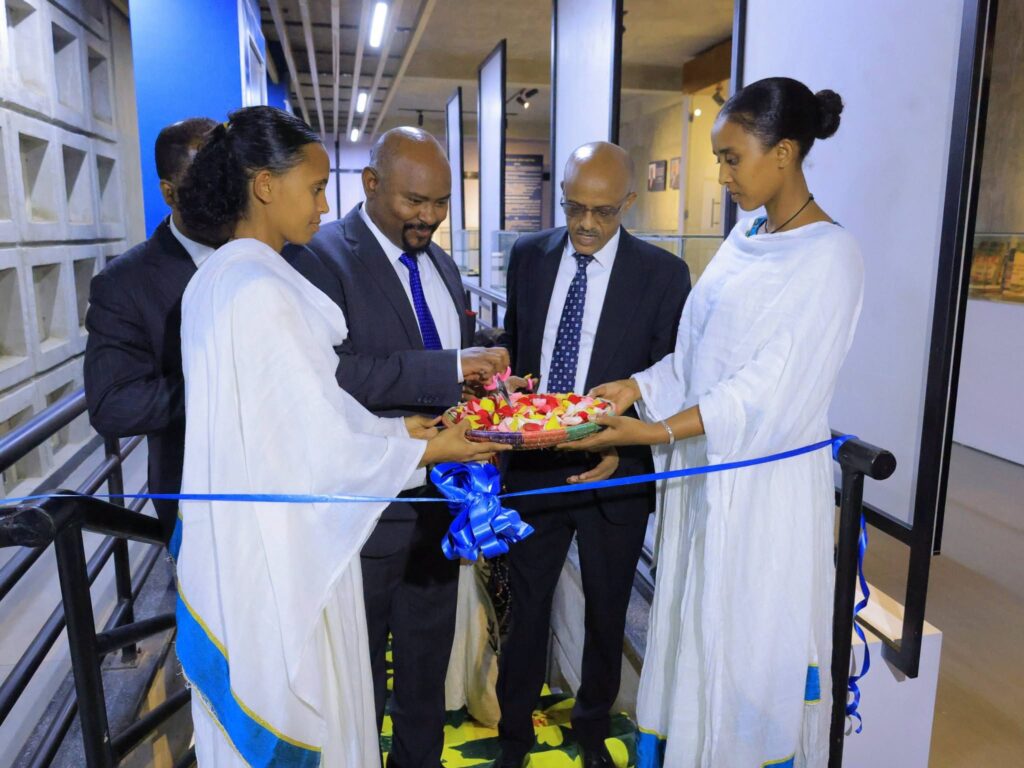
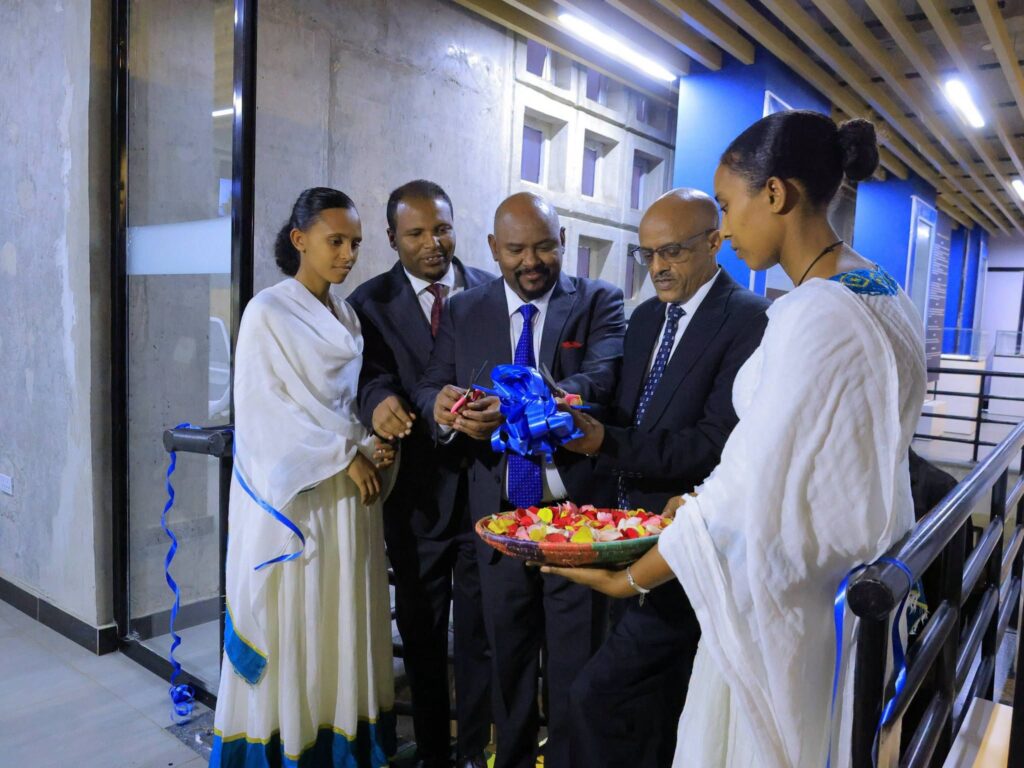
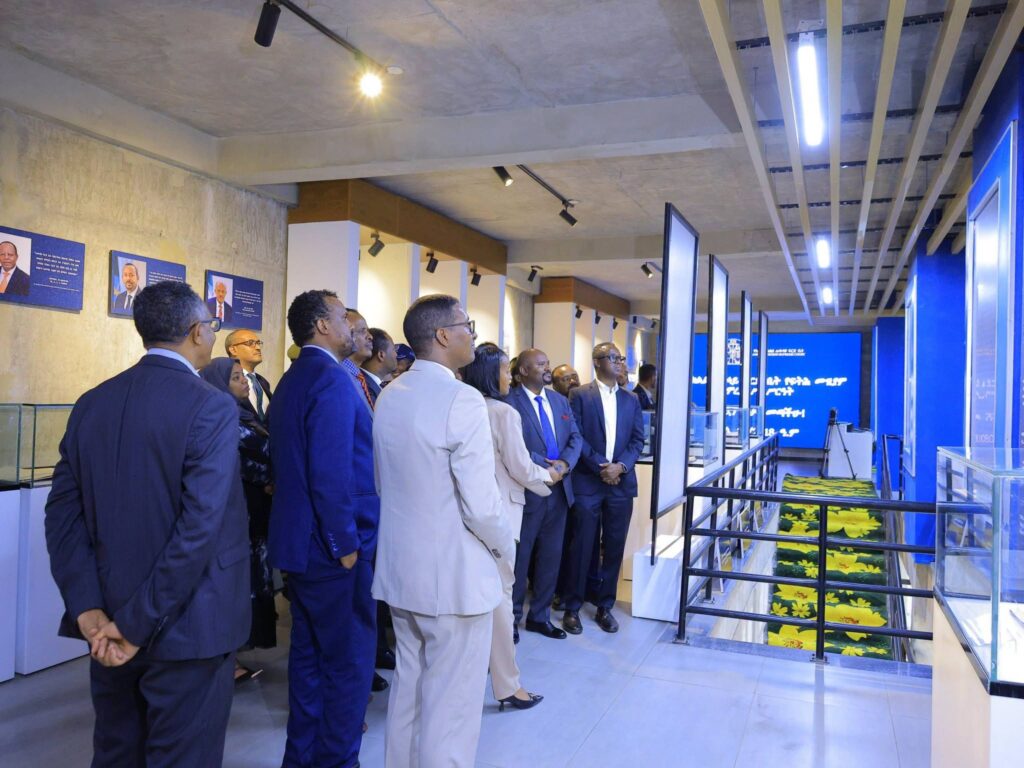
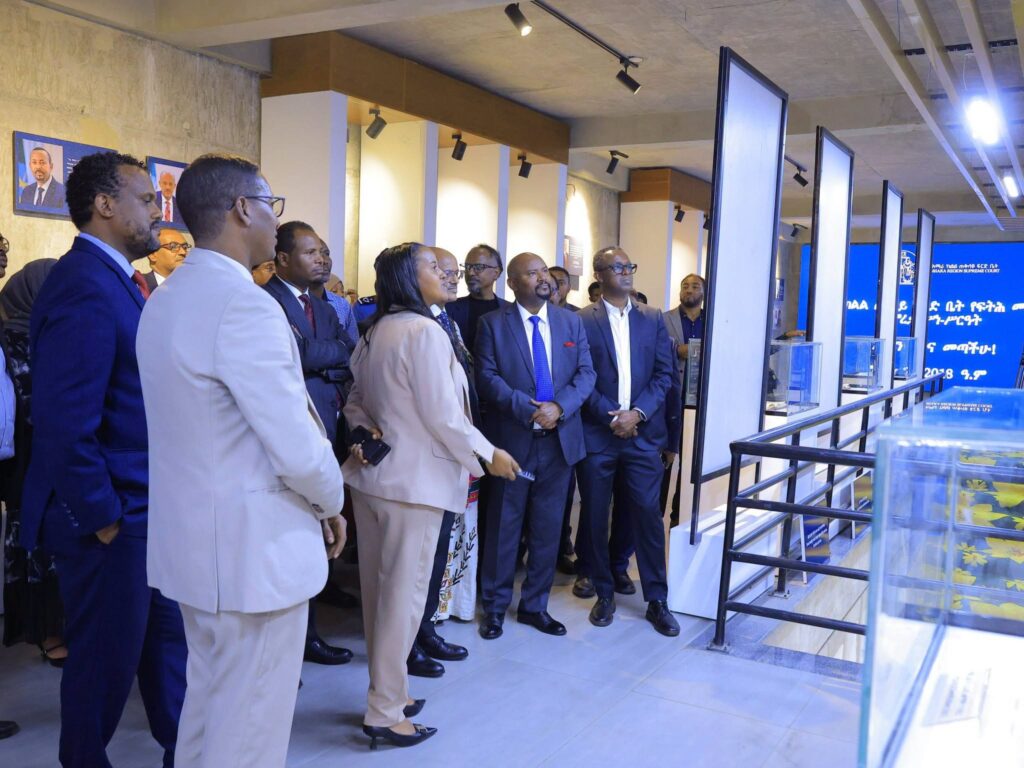
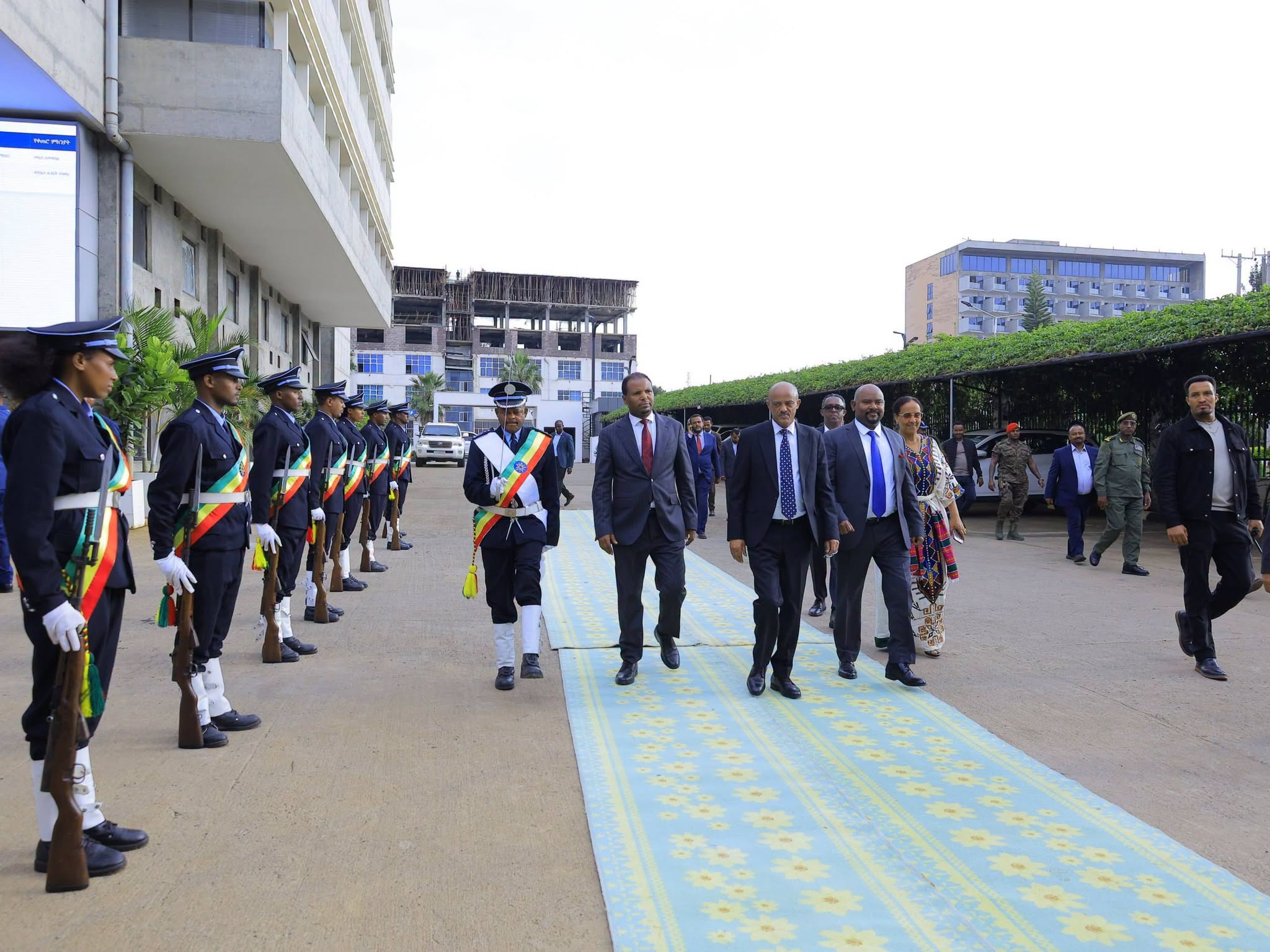
After passing through a series of stages—from the construction of a purpose-built modern facility to the collection, organization and preservation of historical materials—the Amhara Regional Supreme Court officially inaugurated its Justice Museum today and opened it to the public.
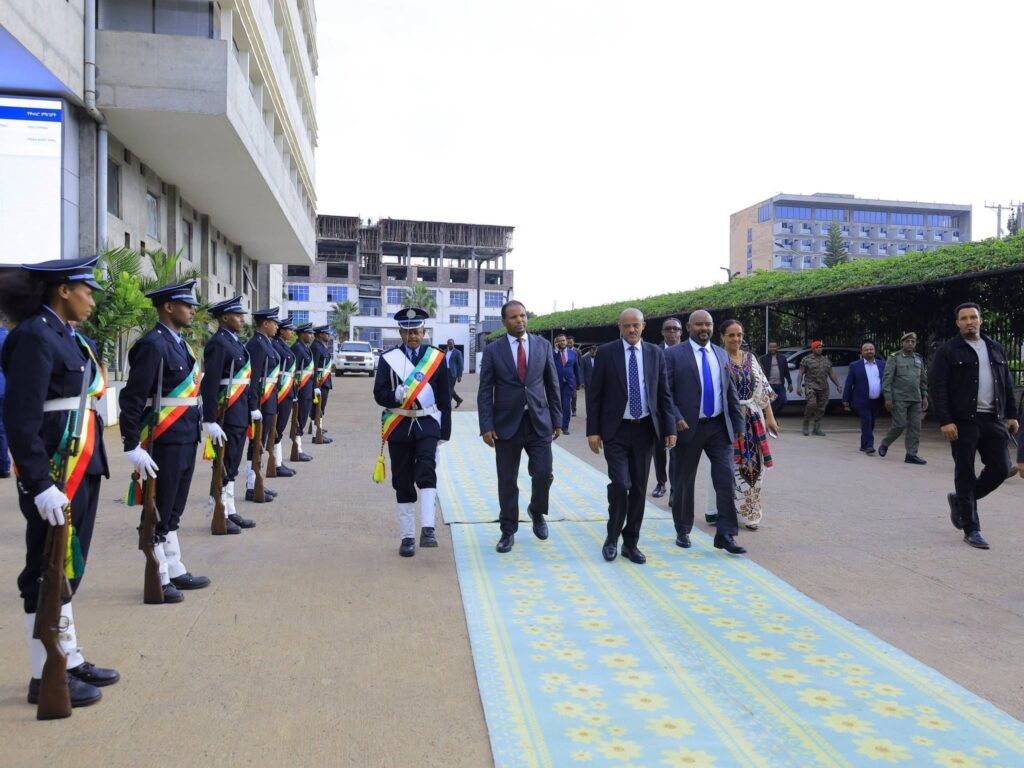
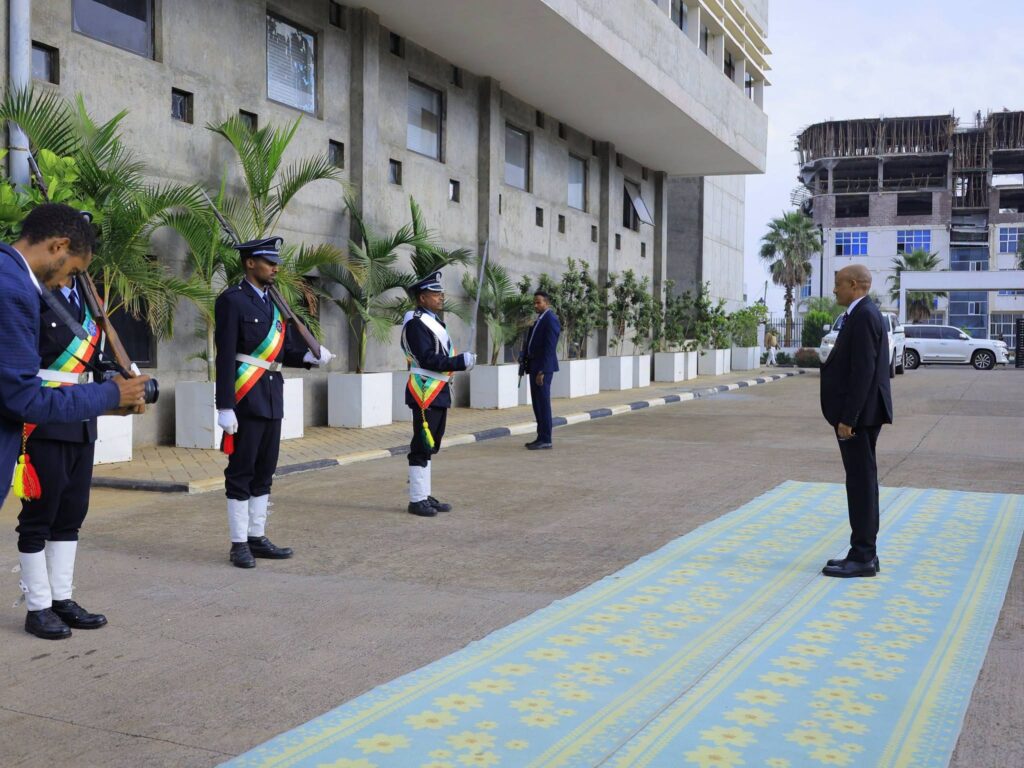
The inauguration ceremony was attended by the President of the Amhara Regional State, H.E. Arega Kebede; the Minister of Innovation and Technology of the Federal Democratic Republic of Ethiopia, H.E. Dr. Belete Molla; the Speaker of the Amhara Regional Council, H.E. Ms. Fantu Tesfaye; the President of Bahir Dar University, Dr. Mengesha Ayene; the head of the Amhara Regional Police Commission, Lieutenant General Tigabu Yilma; the Deputy Director General of the Information Network Security Administration (INSA), Mr. Daniel Guta; and other distinguished guests.
Addressing the guests on the significance of establishing and organizing the museum, H.E. Alemante Agidew, President of the Amhara Region Supreme Court, said that the country’s judicial and justice system forms an integral part of its history.
He explained that the museum was established with the objective of preserving and organizing this history for future generations, enabling them to understand the development of Ethiopia’s judicial and justice system from its origins to the present day.
Honorable President Ato Alemante Agidew further stated that, the Supreme Court had established a dedicated team, comprising officials from various departments of the Court as well as representatives from the Amhara Regional Culture and Tourism Bureau, to collect and organize historical documents and materials for the museum.
The team has worked throughout the year to gather historical documents, archival records, photographs, audio recordings and other physical artifacts relevant to the history of the justice system.
According to the President, the museum houses collections of documents and visual materials that can serve as valuable reference resources for researchers conducting studies on Ethiopia’s judicial and justice systems, law students, universities, other institutions and members of the public.
He further noted that the museum also serves as a resource and knowledge center, providing materials that can contribute to the development of policies and other strategic documents related to the judiciary and the justice system.
The Justice Museum is partially digital, and includes a digital service where law students and prospective judges can observe regular court proceedings, including mock trials.
The Amhara Region Supreme Court Justice Museum officially opened today.
Students, researchers, and anyone interested in learning about Ethiopia’s long historical journey in building and developing its judicial and justice institutions are welcome to visit the museum.